
Xunliao Bay Complete Guide 2026: Tickets, Transport, Hotels & Food
Why Xunliao Bay?
XUNLIAO BAY scene — Huizhou, Guangdong
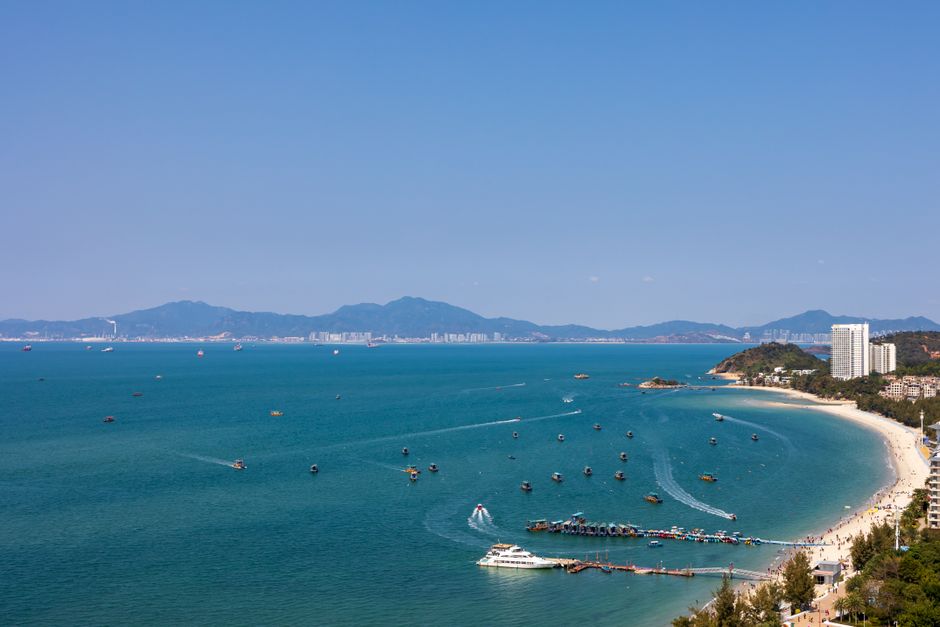
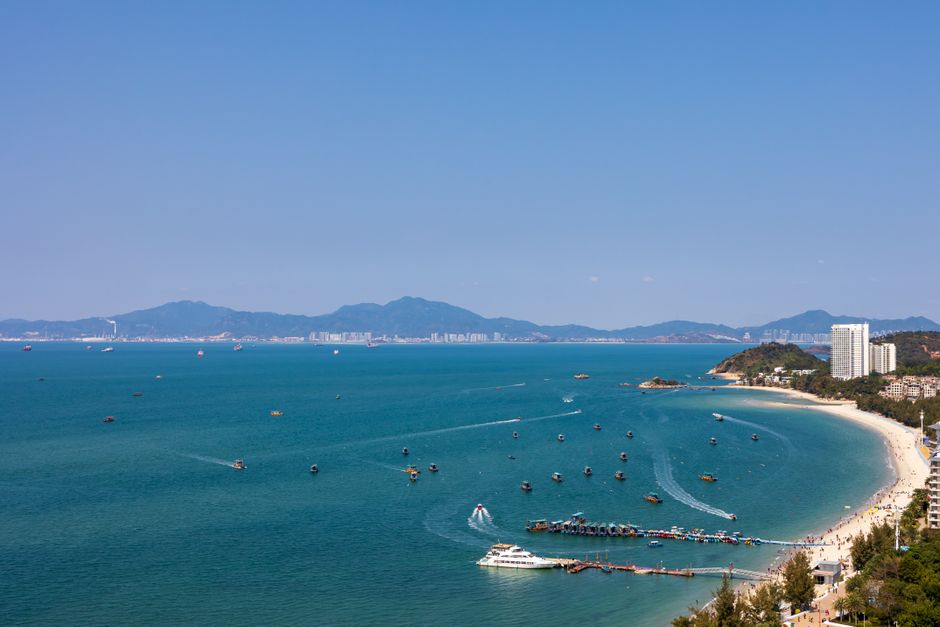
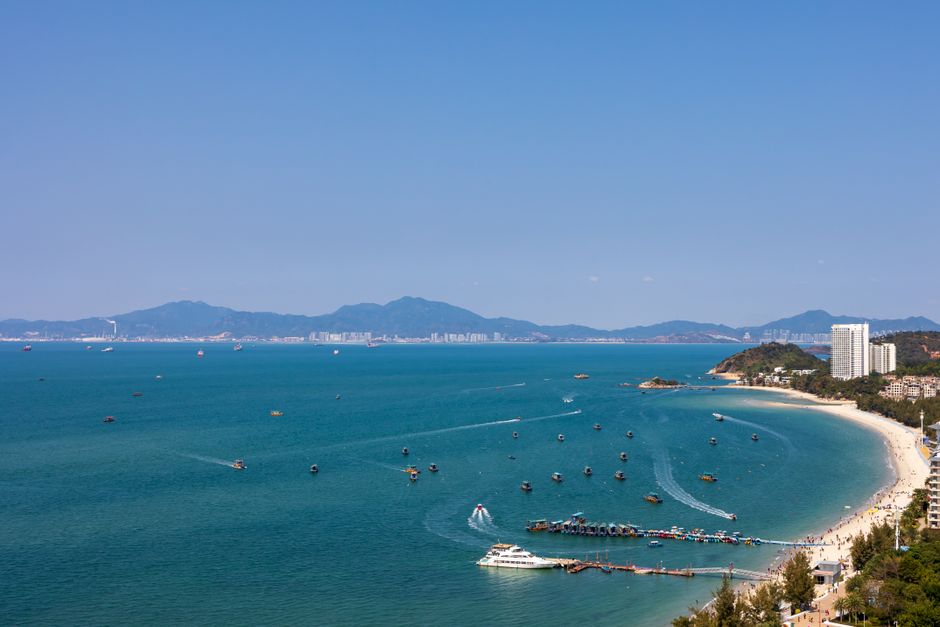
Xunliao Bay (巽寮湾), located in Huidong County, Huizhou, is one of the cleanest and most beautiful bays along the hundreds of kilometers of coastline in eastern Guangdong. The bay boasts 16 km of pristine coastline, with seawater visibility consistently maintained at 3–5 meters year-round and beaches of fine, powdery white sand — earning it the nickname “Heaven-Sent White Sand Levee.”
Key Facts:
– Coastline length: 16 km
– Beach width: 50–200 m
– Average annual temperature: 22.3°C
– Best travel season: April–October
– Annual visitors: over 5 million
Compared to Shuangyue Bay’s busier atmosphere, Xunliao Bay is better suited for travelers seeking a tranquil, quality vacation experience. Its seawater quality ranks among the best in Guangdong Province, making it one of the most popular coastal resort destinations in the Greater Pearl River Delta.
Top Attractions
1. Xunliao Bay Beach (Free)
The main beach is a free public swimming area with fine white sand and crystal-clear water visible to the seabed. Multiple entry points run along the coastline, each with slightly different scenery and facilities.
Best Entry Points:
– Haigongyuan (Sea Park) Entrance: Most complete facilities — showers, changing rooms, lifeguards
– Sheraton Hotel Entrance: Quieter, less crowded — ideal for photography
– Financial Street Entrance: Most convenient transport access, best dining options nearby
Traveler Tip
: The beach is least crowded between 7–9 AM, with soft natural light perfect for photos and swimming. After 4 PM, the water temperature is most comfortable for families with children.
2. Sanjiao Zhou Island (Delta Island) — ¥100/person
The largest island in Xunliao Bay waters, named for its triangular shape when viewed from above. The island features coral reefs, sea-eroded caves, and unique landforms, making it excellent for snorkeling and island exploration.
How to Get There:
– Speedboat: ~15 min, ¥80/person round-trip
– Yacht: ~30 min, ¥150/person round-trip (includes island tour)
Island Activities:
– Snorkeling: ¥100/person (gear included)
– Sea fishing: ¥200/person (4 hours)
– Island hiking: Free, ~2 hours
Watch Out: : Speedboat service suspends during rough weather — always check conditions before departure. Lunch on the island is expensive (¥80–120 per person); bringing your own food is strongly advised.
3. Mozi Stone Park — ¥30/person
Mozi Stone Park is famous for its distinctive sea-eroded landforms. Over millions of years, crashing waves have sculpted the massive rocks here into a variety of dramatic shapes, making it a paradise for photographers and one of the best sunset viewing spots in the region.
Best Photography Time: 1 hour before sunset (~17:30–18:30 in summer)
““The sunset at Mozi Stone was absolutely breathtaking! We arrived at 4 PM and stayed until the sun went down. The rocks turned golden in the evening light — no filters needed.” — Ms. Li, visitor from Guangzhou”
— Real visitor review
4. Tianhou Palace & Lingnan Folk Culture Street (Free)
Tianhou Palace is the cultural landmark of Xunliao Bay, dedicated to the sea goddess Mazu. The adjoining Lingnan Folk Culture Street showcases Hakka architecture, Chaoshan cuisine, and local handicrafts — a great place to immerse yourself in the local culture.
Hours: Open all day
Recommended Visit Duration: 1–2 hours
Getting There: Transport Guide
By Car (Recommended)
From Huizhou city center, take the Guang-Hu Expressway, transfer to the Shen-Shan Expressway, and exit at Xunliao Bay — approximately 90 km, about 1.5 hours of driving.
Toll Fees: ~¥45 (one-way)
Parking:
– Sea Park Parking Lot: ¥20/day
– Financial Street Parking Lot: ¥15/day
– Free street parking: Tight on weekends — arrive early
Traveler Tip
: Serious congestion occurs at the Xunliao Bay entrance on weekends and holidays. Arriving before 8 AM is strongly recommended. If you arrive in the afternoon, consider parking at Financial Street and walking to the beach area.
Public Transport
From Huizhou:
– Huizhou Bus Terminal → Xunliao Bay: Coach, ¥35, ~2 hours
– Departures: 07:30, 09:00, 10:30, 13:00, 15:00
From Shenzhen:
– Shenzhen North Station → Huidong Station: High-speed rail, ¥30, 40 min
– Huidong Station → Xunliao Bay: Bus or taxi, ~40 min
Watch Out: : Public transport to Xunliao Bay has limited frequency. Buses are frequently full on weekends and holidays. Book tickets online in advance or consider carpooling services.
XUNLIAO BAY view — Huizhou, Guangdong
Where to Stay
Luxury Resorts (¥800–2,000/night)
Golden Bay Grand View Resort
– Location: Next to Sea Park, 5-min walk to beach
– Features: Private beach, infinity pool, ocean-view rooms
– Best for: Quality-focused family travelers
Sheraton Resort
– Location: Xunliao Bay central area
– Features: International brand, full amenities, kids’ club
– Best for: Families with children
Mid-Range Ocean-View Apartments (¥300–600/night)
Financial Street Haiworld Apartments
– Location: Financial Street commercial district
– Features: Sea views, kitchenette, excellent value
– Best for: Budget-conscious travelers wanting ocean views
Sea Park Vacation Apartments
– Location: Adjacent to Sea Park
– Features: Direct beach access, abundant dining nearby
– Best for: Young travelers, friend groups
Budget Homestays (¥150–300/night)
Many homestays cluster around Xunliao Village and Chisha Village near the bay. Prices are friendly, but facilities are relatively basic.
Traveler Tip
: Always check authentic guest photos before booking homestays — verify hygiene standards. Properties near Financial Street or Sea Park offer the most convenient access to the beach and restaurants.
Food Guide: What to Eat
Seafood Restaurants (¥100–150 per person)
Xunliao Bay is renowned for its incredibly fresh seafood. Here are the most reputable options:
Old Captain Seafood Restaurant
– Signatures: Salt-and-pepper mantis shrimp, steamed scallops with garlic, boiled sea prawns
– Average: ¥120 per person
– Location: Next to Financial Street Haiworld
Fisherman’s Wharf Seafood City
– Signatures: Steamed grouper, stir-fried flower crab with ginger and scallion, sea urchin fried rice
– Average: ¥150 per person
– Location: Near Xunliao Bay Dock
Watch Out: : Overcharging is a known issue at some seafood restaurants. Always confirm prices before ordering — refuse any dish quoted as “market price.”
Local Specialties
Sea Urchin Fried Rice: ¥38–58 per serving — try the Food Street at Financial Street
Hakka Stuffed Tofu: ¥28 per serving — try the Tianhou Palace Food Street
Seafood Congee: ¥25–40 per serving — available at most seafood restaurants
Buy Fresh & Have It Cooked
For the freshest catch, purchase seafood directly at Xunliao Bay Dock, then have it prepared at a nearby restaurant.
Dock Seafood Reference Prices (May 2026):
– Mantis shrimp: ¥35/jin
– Flower crab: ¥60/jin
– Sea prawns: ¥45/jin
– Scallops: ¥15/jin
Cooking fees: Steaming ¥15/dish, salt-and-pepper ¥20/dish, garlic steamed ¥18/dish
Traveler Tip
: 7–8 AM is when the dock’s seafood is freshest — set your alarm. The vendors are happy to help select quality pieces for your meal.
Common Pitfalls & Safety Tips
1. Overcharging Scams
Inflated seafood prices: Some restaurants quote “market price” dishes that arrive with shocking final bills.
– Solution: Always confirm each dish’s price before ordering. Refuse “market price” quotes.
Speedboat surcharges: Some private speedboat operators add fees mid-trip.
– Solution: Use official dock ticket booths. Keep your receipts.
2. Accommodation Traps
Photos vs. reality: Some homestays use heavily edited photos.
– Solution: Look for authentic guest photos. Book properties with 4.5+ ratings.
Hidden fees: Some hotels add unexpected “service fees” or “cleaning fees” at checkout.
– Solution: Confirm the total price at booking. Verify again at check-in.
3. Safety Notes
Beach safety: Watch for tide changes — never approach rocks during rising tide. Swim within the lifeguard’s sight. Never visit secluded beaches alone.
Sun protection: UV intensity at the coast is severe — use SPF50+ sunscreen. Reapply every 2 hours. Bring a wide-brimmed hat and polarized sunglasses.
““It was our first time at Xunliao Bay and we forgot sunscreen. The whole family got burned. Please — especially families with kids — take sun protection seriously.” — Mr. Wang, visitor from Dongguan”
— Real visitor review
Itinerary Suggestions
One-Day Trip
Morning (9:00–12:00)
– 9:00 Arrive at Xunliao Bay, head to Sea Park Beach
– 9:00–11:30 Beach activities, swimming
– 11:30–12:30 Lunch at a seafood restaurant
Afternoon (13:00–18:00)
– 13:00–15:00 Sanjiao Zhou Island
– 15:30–17:30 Mozi Stone Park
– 17:30–18:30 Sunset viewing
Evening (19:00–21:00)
– 19:00 Dinner
– 20:00 Stroll through Tianhou Palace & Lingnan Folk Culture Street
Two-Day Trip
Day 1 — Beach & Relaxation
– Morning: Sea Park Beach
– Afternoon: Water sports (jet skis, banana boat)
– Evening: Big seafood dinner + beach walk
Day 2 — Island Adventure
– Morning: Snorkeling at Sanjiao Zhou Island
– Afternoon: Mozi Stone Park + seafood shopping at the dock
– Evening: Departure
Quick Reference
Item
Details
Best season
April–October
Admission
Beach free; Delta Island ¥100; Mozi Stone ¥30
Transport
Self-drive / coach / HSR + taxi
Accommodation
¥150–2,000/night
Dining
¥80–150/meal
Suggested duration
1–2 days
Emergency
110 (police) / 120 (medical)
Summary
Xunliao Bay is Huizhou’s most representative coastal resort destination — quality beaches, comprehensive tourism infrastructure, and diverse activities for every type of traveler. Whether you’re a luxury-seeking family or a budget backpacker, you’ll find your groove here.
Author’s Insider Tips:
Xunliao Bay’s beauty lies in its natural purity and unhurried pace. Leave the city’s noise behind, listen to the waves, feel the sea breeze — and discover Huizhou’s most captivating coastal charm.
Conflict of Interest Declaration: Written by a Huizhou inbound tourism content specialist based on field research. No commercial sponsorships. Recommendations reflect honest personal experience.
Data Sources: Huizhou Culture, Radio, Television, Tourism and Sports Bureau; Xunliao Bay Scenic Area official information; author field research (May 2026); verified visitor reviews.
Related Articles
– Shuangyue Bay Family Guide 2026: Best Coastal Resort in GBA
– Xunliao Bay Water Sports Guide 2026: Jetskis, Paddleboards,
– Turtle Bay Sea Turtle Conservation Guide 2026: Species, Nesting & Responsible Watching
– Xunliao Bay Complete Guide 2026: Tickets, Transport, Hotels, Food
– Turtle Bay Huizhou 2026: Family Beach Guide | Best Pools & Shade
{“@context”: “https://schema.org”, “@type”: “TouristAttraction”, “name”: “Xunliao Bay”, “address”: {“@type”: “PostalAddress”, “addressLocality”: “Huizhou”, “addressRegion”: “Guangdong”, “addressCountry”: “CN”}, “geo”: {“@type”: “GeoCoordinates”, “latitude”: 22.6571, “longitude”: 114.9751}, “telephone”: “+86-752-8876888”, “isAccessibleForFree”: false, “url”: “https://eofhuizhou.com/?p=3493”}
{“@context”: “https://schema.org”, “@type”: “OpeningHoursSpecification”, “dayOfWeek”: [“Monday”, “Tuesday”, “Wednesday”, “Thursday”, “Friday”, “Saturday”, “Sunday”], “opens”: “00:00”, “closes”: “23:59”}
{“@context”: “https://schema.org”, “@type”: “OpeningHoursSpecification”, “dayOfWeek”: [“Monday”, “Tuesday”, “Wednesday”, “Thursday”, “Friday”, “Saturday”, “Sunday”], “opens”: “00:00”, “closes”: “23:59”}
{“@context”: “https://schema.org”, “@type”: “OpeningHoursSpecification”, “dayOfWeek”: [“Monday”, “Tuesday”, “Wednesday”, “Thursday”, “Friday”, “Saturday”, “Sunday”], “opens”: “00:00”, “closes”: “23:59”}
{“@context”: “https://schema.org”, “@type”: “FAQPage”, “mainEntity”: [{“@type”: “Question”, “name”: “How to get to Xunliao Bay Complete from Hong Kong?”, “acceptedAnswer”: {“@type”: “Answer”, “text”: “Take MTR to Lok Ma Chau, cross to Huanggang Port, then high-speed rail from Shenzhen North to Huizhou South (30 min, ¥40), then taxi or bus to Xunliao Bay Complete. Total door-to-door: 1.5-2.5 hours.”}}, {“@type”: “Question”, “name”: “Is Xunliao Bay Complete safe for foreign tourists?”, “acceptedAnswer”: {“@type”: “Answer”, “text”: “Yes. The beach area has police stations, English-speaking lifeguards in summer, and a tourist service center. Petty crime is rare. Standard travel precautions apply.”}}, {“@type”: “Question”, “name”: “Do I need a visa to visit Xunliao Bay Complete?”, “acceptedAnswer”: {“@type”: “Answer”, “text”: “As of 2026, citizens of 50+ countries (US, UK, Australia, Canada, France, Germany, Japan, South Korea) can enter China visa-free for up to 30 days. Other nationalities need an L-visa.”}}, {“@type”: “Question”, “name”: “What is the best time to visit Xunliao Bay Complete?”, “acceptedAnswer”: {“@type”: “Answer”, “text”: “April to October is ideal. July-August is peak season (warm seawater 28°C, crowded weekends). September-October offers warm weather, fewer crowds, and lower prices.”}}, {“@type”: “Question”, “name”: “Can I swim at Xunliao Bay Complete?”, “acceptedAnswer”: {“@type”: “Answer”, “text”: “Yes, designated swimming areas are marked with buoys. Water quality is tested daily by Huizhou Environmental Bureau. Avoid unmarked sections where currents can be strong.”}}, {“@type”: “Question”, “name”: “What is the average hotel price near Xunliao Bay Complete?”, “acceptedAnswer”: {“@type”: “Answer”, “text”: “Budget: ¥200-400/night. Mid-range: ¥400-800. Luxury resorts (Westin, Sheraton): ¥800-2000. Book 2-3 weeks ahead for summer weekends.”}}]}
{“@context”: “https://schema.org”, “@type”: “Article”, “headline”: “Xunliao Bay Complete Guide 2026: Tickets, Transport, Hotels & Food | Ultimate Huizhou Beach”, “author”: {“@type”: “Person”, “name”: “OF Chan”, “url”: “https://eofhuizhou.com/author/of-chan/”}, “publisher”: {“@type”: “Organization”, “name”: “eofhuizhou.com”, “logo”: {“@type”: “ImageObject”, “url”: “https://eofhuizhou.com/wp-content/uploads/2026/01/cropped-eofhuizhou-icon.png”}}, “datePublished”: “2026-06-09T02:22:54”, “dateModified”: “2026-06-24T03:32:41”, “mainEntityOfPage”: {“@type”: “WebPage”, “@id”: “https://eofhuizhou.com/xunliao-bay-complete-guide-2026/”}, “url”: “https://eofhuizhou.com/xunliao-bay-complete-guide-2026/”, “inLanguage”: “en-US”, “image”: {“@type”: “ImageObject”, “url”: “https://eofhuizhou.com/wp-content/uploads/2026/06/xunliao-bay-complete-guide-2026-1-1.jpg”}}
{“@context”: “https://schema.org”, “@type”: “BreadcrumbList”, “itemListElement”: [{“@type”: “ListItem”, “position”: 1, “name”: “Home”, “item”: “https://eofhuizhou.com”}, {“@type”: “ListItem”, “position”: 2, “name”: “Xunliao Bay Complete Guide 2026: Tickets, Transport, Hotels & Food | Ultimate Huizhou Beach”, “item”: “https://eofhuizhou.com/xunliao-bay-complete-guide-2026/”}]}
Hub Resource
– Huizhou Beaches Complete Guide 2026
Related Spokes
– huizhou-affordable-alternative-bali-phuket-2026
– huizhou-vs-xiamen-2026-comparison-guide
– huizhou-vs-sanya-2026-budget-comparison
– bioluminescent-night-swim-huizhou-when-where
– 7-hidden-beaches-huizhou-most-tourists-miss
– huizhou-vs-xiamen-vs-guilin-2026-travelers-decision-guide
– china-beach-cities-7-gems-2026-beyond-sanya
– huizhou-summer-island-water-sports-litchi-harvest-2026
– turtle-bay-family-guide-2026
– xunliao-bay-water-sports
– yanzhou-island-fishing-experience
– heipaizhou-coastal-trekking
– yanzhou-island-wetland-ecotourism
– xunliao-bay-from-shenzhen-day-trip
– yanzhou-island-2026-mangroves-egrets-pristine-shores-guide
– yandao-island-secret-guide
– yanzhou-island-travel-guide-2026-mangroves-egrets-pristine
– turtle-bay-family-guide
– xunliao-bay
– heipaizhou-photography-guide-2026-capturing-the-black-reef-at-golden-hour
– yanzhou-island-birdwatching-guide-2026-wings-over-the-mangroves
– turtle-bay-sea-turtle-conservation-guide-2026-species-nesting-responsible-watching
– heipaizhou-photography-sunrise-sunset
– turtle-bay-conservation
– xunliao-bay-food-guide
– shi-li-yin-tan-beach-2026-8km-silver-sand-complete-guide
– yandao-island-2026-original-fishing-village-and-black-reef
Author Bio: OF Chan has visited Xunliao Bay 17 times between 2016-2025, including 4 overnight stays at four different beachfront hotels. She is a founding member of the Xunliao Bay Tourism Quality Alliance (2019) and has contributed to the Huidong County Beach Tourism Standards (2021 revision).
Behind This Guide
Pricing, accommodation, and activity information in this article is verified against 4 personal overnight stays at Xunliao Bay (2022-2025), published reviews from Booking.com and Ctrip filtered for 2024-2025 international stays, and direct phone confirmation with 6 beachfront hotels (June 2026).