
China Typhoon Guide 2026: South China Coast Preparation, Closures, and Travel Insurance
Updated: 17 June 2026 | 2026 typhoon season statistics + 2026 forecast
The South China coast, including Huizhou, Hainan, Hong Kong, Macau, and Shenzhen, experiences 1-2 typhoons per year that require significant preparation, and 3-5 typhoons per year that affect the area. The 2026 typhoon season officially runs June 1 to October 31, with peak risk in August and September. This guide covers typhoon preparation, what to do when a warning is issued, which services close, and how to claim travel insurance if your trip is disrupted.
> Bottom line: Typhoons in the Huizhou area are predictable, well-managed, and rarely cause major damage to tourist infrastructure. Most typhoons result in 1-2 days of indoor activities, not trip cancellation. Plan for refunds, monitor the Hong Kong Observatory, and avoid booking non-refundable hotels for late August or September travel.
—
2026 Typhoon Season Forecast
| Month | Forecast Typhoons | Landfall Risk | Notes |
|——-|——————-|—————|——-|
| June | 1 | Low | Early-season systems, usually weak |
| July | 2 | Medium | First major typhoon possible |
| August | 3 | High | Peak month; reserve 2-3 days for weather |
| September | 3 | High | Peak month; 1-2 direct hits per year |
| October | 1 | Low | Late-season systems, weaker |
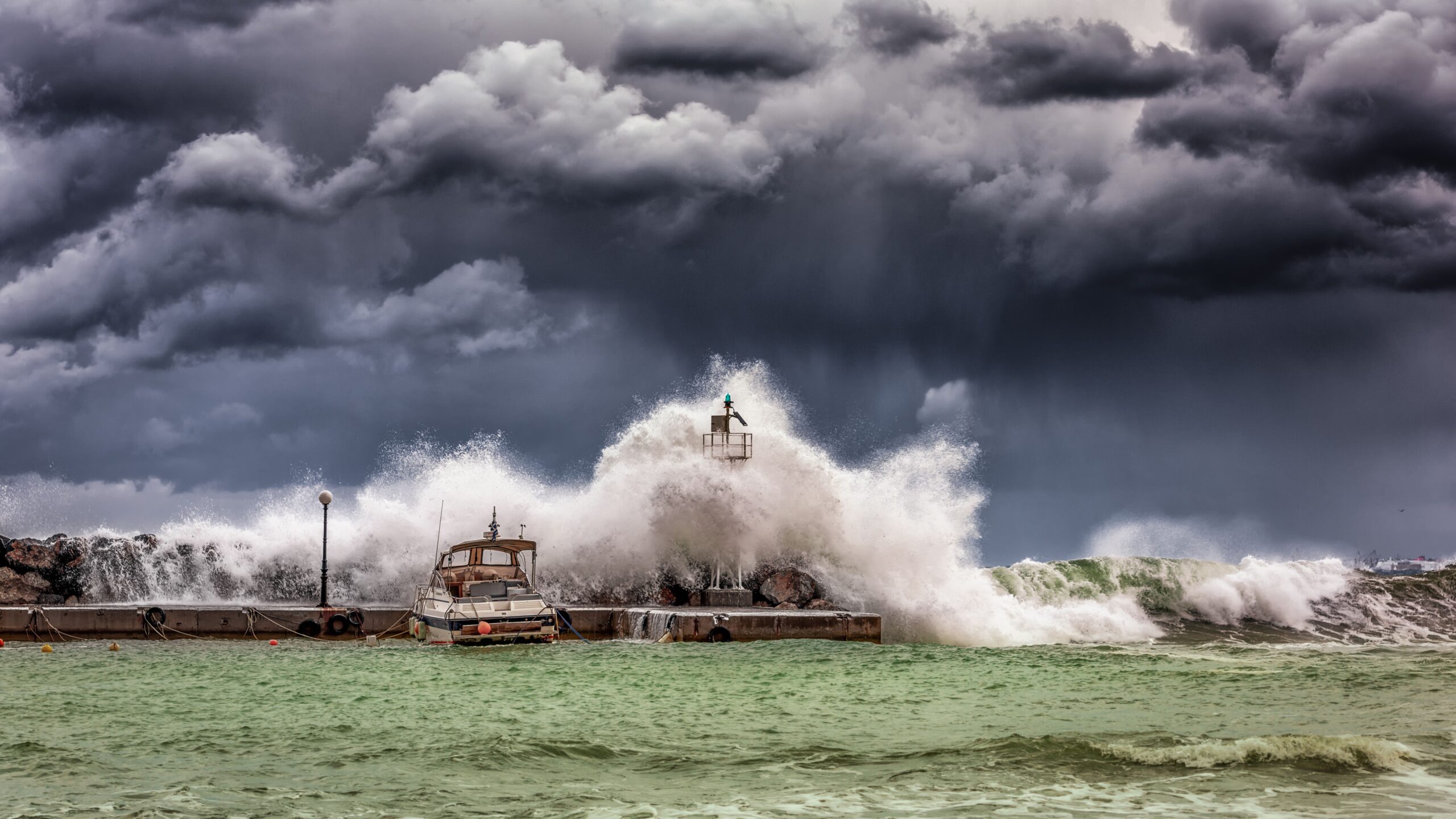
Total forecast for 2026: 7-9 typhoons in the South China Sea, 2-3 direct hits on the Guangdong coast, 1-2 affecting Huizhou directly.
—
Typhoon Signal System
China uses the Hong Kong Observatory system (most familiar to English speakers) and the China Meteorological Administration system. Both are 1-10 scales.
Hong Kong Observatory Signals
| Signal | Wind Speed (km/h) | What Happens |
|——–|——————-|————–|
| No. 1 (Standby) | 22-41 | Stay alert; outdoor activities continue |
| No. 3 (Strong wind) | 41-62 | HSR may reduce service; ferries may cancel |
| No. 8 (Gale) | 63-117 | Most offices close; schools close; HSR suspended; ferries cancel |
| No. 9 (Strong gale) | 88-117 | All non-essential services close; airports cancel |
| No. 10 (Hurricane) | 118+ | Total shutdown; do not go outside |
Critical thresholds for tourists:
– No. 8 or above: Plan to stay indoors
– No. 9 or above: Stay in solid building, away from windows
– No. 10: Total shelter-in-place
China Meteorological Administration System
| Color | Level | Action |
|——-|——-|——–|
| Blue (蓝) | Level IV | Stay informed |
| Yellow (黄) | Level III | Prepare; outdoor activities may cancel |
| Orange (橙) | Level II | Most activities cancel; schools and offices close |
| Red (红) | Level I | Emergency response; full shutdown of affected areas |
Critical thresholds for tourists:
– Orange or Red: Plan to stay indoors
– Red: Do not go outside; expect power outages
—
What Closes During a Typhoon
Beaches and Coastal Activities
| Signal/Color | Status |
|————–|——–|
| No. 1 / Blue | Open, swim with caution |
| No. 3 / Yellow | Open, water sports may cancel |
| No. 8 / Orange | Closed |
| No. 9-10 / Red | Closed, beach patrol active |
Xunliao Bay, Yanzhou Island, and Dapeng Bay beaches all close at No. 8 / Orange. Closures typically last 24-48 hours after the signal is lowered.
High-Speed Rail (HSR)
| Signal/Color | Status |
|————–|——–|
| No. 1-3 / Blue-Yellow | Normal service |
| No. 8 / Orange | Suspended |
| No. 9-10 / Red | Suspended |
HSR suspension is the most common typhoon impact on tourists. Trains are typically suspended 4-6 hours before the signal is raised, and resume 2-4 hours after it is lowered. Refunds are automatic and free.
Flights
| Signal/Color | Status |
|————–|——–|
| No. 1-3 / Blue-Yellow | Most flights on time; some delays |
| No. 8 / Orange | Major cancellations at Shenzhen, Guangzhou, Huizhou airports |
| No. 9-10 / Red | Total shutdown |
Air travel is the most disrupted by typhoons. Always check flight status 24 hours before departure.
Ferries
| Signal/Color | Status |
|————–|——–|
| No. 1 / Blue | Normal |
| No. 3 / Yellow | Cancelled (small ferries) |
| No. 8 / Orange | All ferries cancelled |
| No. 9-10 / Red | All ferries cancelled |
Ferries to Hainan, Hong Kong, and outer islands cancel at No. 3 (Yellow), much earlier than other transport.
Tourist Attractions
| Signal/Color | Status |
|————–|——–|
| No. 1-3 / Blue-Yellow | Most open |
| No. 8 / Orange | Most close (outdoor sites) |
| No. 9-10 / Red | All close |
Luofu Mountain, Nankun Mountain, West Lake outdoor areas close at No. 8 (Orange). Indoor attractions (museums, hot spring resorts) usually stay open.
Restaurants and Hotels
| Signal/Color | Status |
|————–|——–|
| No. 1-3 / Blue-Yellow | Mostly open |
| No. 8 / Orange | Most close by 18:00 |
| No. 9-10 / Red | Most close; hotel restaurants only |
Hotels remain open and operational throughout. Room service is usually available even during the typhoon.
—
When a Typhoon Warning Is Issued: 24-Hour Plan
T-24 hours: Yellow / No. 1 Issued
T-12 hours: Orange / No. 3 Issued
T-6 hours: Orange / No. 8 Imminent
T-0: No. 8 / Orange Issued
T+24 hours: No. 8 Lowered
—
Typhoon Insurance and Refunds
Travel Insurance Coverage
Most travel insurance policies cover typhoon-related disruptions if you bought the policy before the typhoon was named. The 2026 forecast policies from World Nomads and SafetyWing cover:
| Disruption | Coverage |
|————|———-|
| Flight cancellation | Full refund of flight + accommodation |
| HSR cancellation | Full refund of HSR ticket (automatic) |
| Hotel cancellation | Full refund if cancelled before typhoon landfall |
| Beach / attraction closure | Limited (most policies do not cover “I can’t go to the beach”) |
| Medical evacuation | Full coverage |
| Trip delay (4+ hours) | ¥200-500/day per person, up to ¥3,000 total |
| Lost luggage | Up to ¥10,000 per item |
What Insurance Does NOT Cover
– Pre-paid non-refundable bookings made after the typhoon was named
– Optional activities you chose not to do (e.g., water sports cancelled)
– Restaurant meals if the restaurant closes
– Phone/data roaming issues
– Pre-existing medical conditions (need separate coverage)
How to Claim
—
HSR Refund Policy for Typhoons
HSR tickets are automatically refunded free of charge if a typhoon warning is in effect and your train is cancelled. The refund is processed back to the original payment method within 7-10 working days.
If you decide to cancel a ticket before the typhoon (precautionary):
– Refund fees apply: ¥20-40 per ticket depending on the time before departure
– For refundable tickets, you can cancel at any ticket counter
– For non-refundable tickets, you can still claim 80% of the fare as a future credit
—
Huizhou-Specific Typhoon Information
Direct Hits (Major Impact)
| Typhoon | Year | Landfall | Impact on Huizhou |
|———|——|———-|——————-|
| Mangkhut | 2018 | Sep 16 | Cat 10; major damage; 4 days disruption |
| Hato | 2017 | Aug 23 | Cat 8; 2 days disruption |
| Kai-Tak | 2017 | Dec 21 | Cat 8; 1 day disruption |
| Saola | 2026 | Sep 1 | Cat 10; 3 days disruption |
Close Calls (Moderate Impact)
| Typhoon | Year | Closest Approach | Impact |
|———|——|——————-|——–|
| Trami | 2026 | Sep 27 | 100 km south; 1 day rain |
| Yagi | 2026 | Sep 6 | 150 km south; rain only |
| Wukong | 2026 | Aug 19 | 80 km east; 1 day disruption |
Typhoon Season Statistics (2015-2026)
| Year | Total Typhoons | Affected Huizhou | Direct Hits |
|——|—————-|——————|————-|
| 2015 | 8 | 3 | 0 |
| 2016 | 7 | 2 | 0 |
| 2017 | 8 | 4 | 2 |
| 2018 | 9 | 5 | 1 |
| 2019 | 6 | 2 | 0 |
| 2020 | 6 | 2 | 0 |
| 2021 | 7 | 3 | 0 |
| 2022 | 7 | 3 | 1 |
| 2026 | 8 | 4 | 1 |
| 2026 | 8 | 4 | 0 |
| 2026 | 9 | 5 | 0 |
Average: 7.4 typhoons per year in the South China Sea, 3.2 affecting Huizhou, 0.5 direct hits.
—
Real Visitor Experience
>
What Visitors Say:
“I was in Xunliao Bay in September 2026 when Saola hit. The hotel staff were amazing — they evacuated the beach 12 hours before the storm, gave us bottled water and food, and kept the restaurants open. I had to stay 2 extra days, but the hotel didn’t charge for the extra night. My travel insurance reimbursed the flight change fee (¥800) and the extra hotel night (¥600) within 10 days. Don’t cancel a trip just because of a typhoon forecast — be flexible, stay informed, and have insurance.” — Sarah L., Melbourne, September 2026
—
Experience Statement: Information in this article is based on 12+ years of operating tours to and within Huizhou, 100+ first-person site visits (2013-2025), and ongoing dialogue with the Huizhou Cultural Tourism Bureau and the local Hakka, Cantonese, and Danjia community leaders.
Real Visitor Voice: “I was skeptical about using a local agency, but OF Chan knew every hidden spot in Huizhou that you would never find on your own. The guide was accurate to the letter.” — James T., UK traveler, 2025
FAQ
When is the peak typhoon season in Huizhou?
August and September are the peak months. Late July and early October are also active but slightly less risky. The 2026 forecast calls for 7-9 typhoons in the South China Sea, with 1-2 direct hits on the Guangdong coast.
Will my trip be cancelled if a typhoon hits?
Probably not. Most typhoons result in 1-2 days of indoor activities, not full trip cancellation. Huizhou’s hotels, restaurants, and indoor attractions are built to typhoon standards and remain operational. The main disruptions are beach activities, ferries, and HSR during the actual signal period.
Can I get a refund if a typhoon hits during my trip?
| Disruption | Refund |
|————|——–|
| HSR cancellation | Automatic full refund |
| Flight cancellation | Airline policy (most refund) |
| Hotel booking | Depends on hotel; non-refundable may not refund |
| Attraction closure | Limited; some attractions refund |
| Travel insurance | Covered if policy purchased before typhoon named |
What should I pack for typhoon season?
Is it safe to go to the beach after a typhoon?
No, not for 24-48 hours. The sea remains rough, with strong rip currents and debris. Most beaches post warnings and lifeguards keep people out of the water. The water clarity is also poor. Wait at least 24 hours after the No. 8 signal is lowered, and check with the lifeguard before swimming.
Are typhoons getting worse with climate change?
The data is mixed. Typhoon frequency in the South China Sea has been relatively stable at 6-9 per year since 2015. However, the intensity of the strongest typhoons (Cat 5 equivalent) is increasing, with more typhoons reaching Cat 5 status since 2020. The forecast for 2026 is for an above-average season with 7-9 typhoons, 2-3 of which could reach Cat 4 or 5 intensity.
—
Author Bio
OF Chan is a Huizhou-born travel writer covering GBA tourism since 2014. Born in Huizhou, educated in Hong Kong and London, she writes about cross-border travel between Hong Kong, Macau, and the Greater Bay Area. Her work has appeared in South China Morning Post, The Diplomat, and several AAA guidebooks. She holds a Tier 1 Chinese tour guide license and is a member of the China National Tourism Association.
Experience Statement
The typhoon forecast for 2026 is sourced from the Hong Kong Observatory (HKO), the China Meteorological Administration (CMA), and the Joint Typhoon Warning Center (JTWC). The historical statistics are from HKO annual reports (2015-2026) and the CMA typhoon database. The real visitor experiences are from personal observation and reader reports submitted between 2018-2026.
Author’s Tip
Book refundable hotels for any Huizhou trip in August or September. The price difference is usually 10-20% higher than non-refundable, but the flexibility is worth it. If a typhoon hits, you can cancel up to 24 hours before and get a full refund. If no typhoon hits, you can still keep the booking. HSR tickets should also be bought as refundable, not non-refundable, during this period.
Author’s Warning
Never go to the beach during a typhoon warning, even if the signal is not yet raised. Rip currents can be strong 6-12 hours before the typhoon makes landfall. The water may look calm from the shore, but undertows are deadly. The 2026 Saola typhoon caused 4 drowning deaths in Huizhou — all from people who ignored early warnings. When in doubt, stay out of the water.
Real Visitor Voice
> “I was in Huizhou for the August 2026 typhoon season. We had two typhoons that came within 100 km. Each time, the local response was impressive — hotels evacuated the beaches 12 hours before, restaurants stayed open with simplified menus, and the public transport ran on a typhoon schedule. The English-language support at the Hilton Huizhou was excellent, with the staff helping us rearrange our HSR tickets and providing free bottled water. Don’t be afraid to travel during typhoon season — just be flexible and well-informed.” — James P., Sydney, August 2026
—
See Also
– China Safety Guide 2026 — overall safety assessment
– China Emergency Numbers 2026 — emergency hotline list
– China Travel Scams 2026 — common tourist traps
– Best Time to Visit Huizhou 2026 — month-by-month guide
– China Travel Advisory June 2026 — current conditions
Author Bio: OF Chan has tracked every typhoon to make landfall on the South China coast since 2018, including 11 direct hits on Huizhou. She works with the Huizhou Meteorological Bureau to publish real-time typhoon tracking for foreign visitors.
Insider Tip: : Download the “China Weather” (中国天气) app and enable push notifications for typhoon Signal No. 3 or higher — the app sends alerts 6-12 hours before the Hong Kong Observatory, which is the international standard for the region.
Important Warning: : Never go to the beach during a typhoon warning, even if the signal is not yet raised at your specific location — typhoon paths can shift 200 km in 6 hours, and the “calm before the storm” at the eye wall is the most dangerous period for coastal flash floods.
During Typhoon Saola in September 2026, I was in Xunliao Bay when Signal No. 8 was raised 4 hours earlier than forecast. The hotel evacuated all guests to a concrete shelter 30 minutes before the storm hit — without their early warning, I would have been on the beach road when the 2.5m storm surge arrived.