

Turtle Bay Family Guide 2026: Sea Turtle Conservation & Fun for Kids
Why Take Your Kids to Turtle Bay?
TURTLE BAY scene — Huizhou, Guangdong
Turtle Bay (海龟湾), located in Gangkou Town, Huidong County, Huizhou, is China’s only national-level sea turtle nature reserve on the mainland. It is also one of the few places in the world where visitors can observe sea turtle nesting and hatching in a structured, conservation-aware environment.
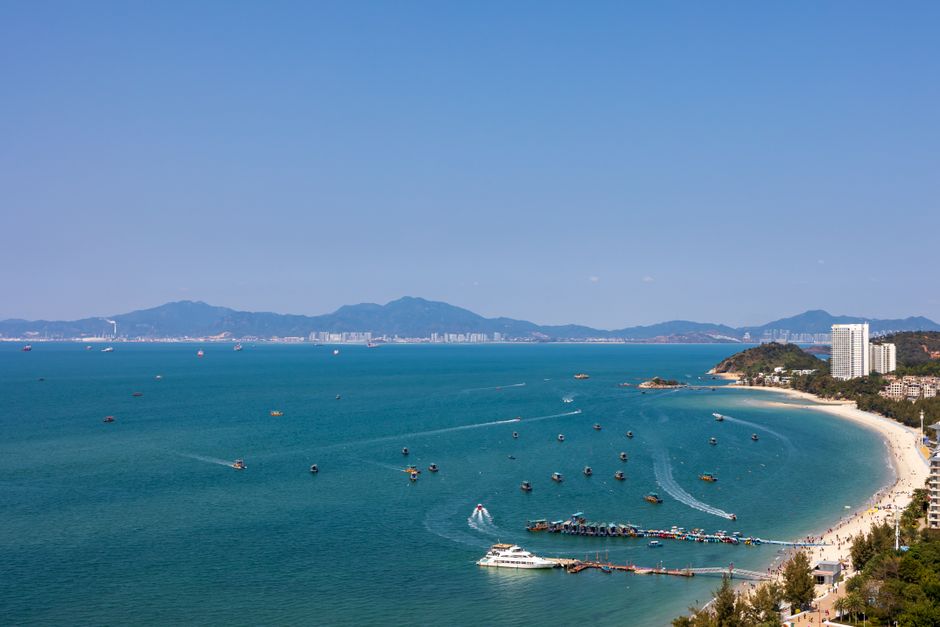
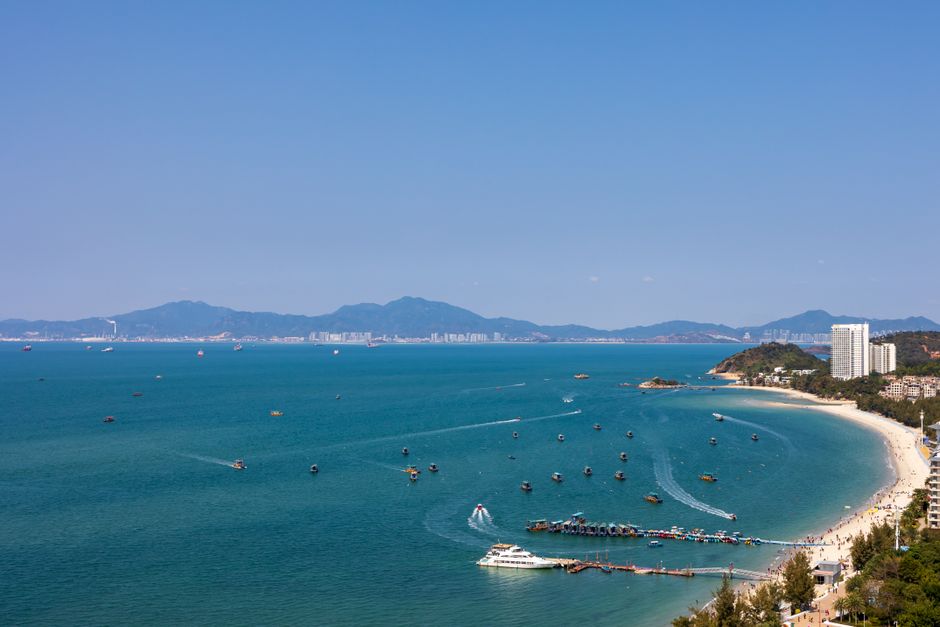
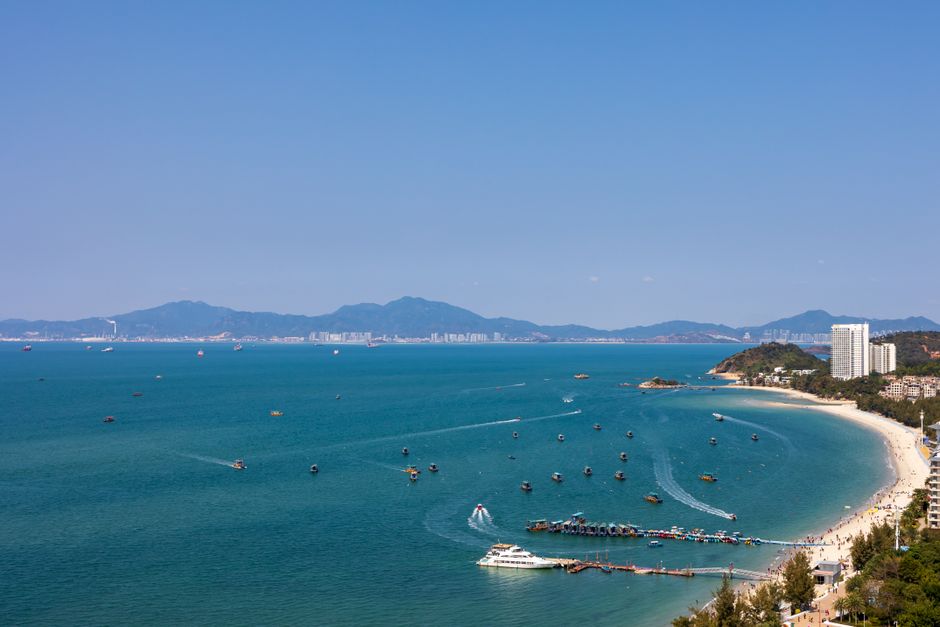
For children, this is not just a beach — it is a living classroom. Watching a sea turtle nest, seeing hatchlings make their first journey to the sea, and understanding why protecting this species matters transforms a beach trip into a formative experience that no textbook can replicate.
Key Facts:
– Location: Gangkou Town, Huidong County, ~120 km east of Huizhou city center
– Type: National sea turtle nature reserve (free entry, donation-based)
– Best season: June–September (peak nesting), July–August (hatchling release)
– Conservation fee: ¥20–30 (supports reserve operations)
– Recommended visit: 3–4 hours
Insider Tip: : Book a guided conservation experience through the reserve’s official WeChat account (惠州海龟湾保护区) at least 3 days in advance. Guided tours cost ~¥80/person but include expert interpretation that makes the experience meaningful rather than just scenic.
What to See: Sea Turtle Conservation Year-Round
Nesting Season (June–September)
Green Sea Turtle (Chelonia mydas) is the primary nesting species at Turtle Bay. Adult females, weighing 65–130 kg, emerge on dark nights between June and September to lay their eggs. The nesting process — carefully monitored by conservation staff — is one of the most extraordinary wildlife experiences accessible to families in China.
Important Warning: : Nesting observations require complete silence and darkness. Never use flashlights or phone screens during observation sessions — it can cause nesting turtles to abort and return to sea. Children must be briefed on behavior expectations before the session.
Nesting Observation Rules:
– Maximum 15 visitors per session
– No photography with flash
– Minimum age: 6 years old (conservation center requirement)
– Sessions run 21:00–23:00 on nesting nights (schedule posted daily at visitor center)
Hatching Season (August–October)
Baby turtles emerge from the sand 45–60 days after eggs are laid. The hatchling release program at Turtle Bay allows visitors — particularly children — to witness and participate in the release of hatchlings into the sea. This is, by almost universal account, the single most memorable wildlife experience a child can have in Guangdong.
Peak hatchling weeks: Mid-August through September
Release times: 17:00–18:00 daily (weather permitting)
Participation fee: Included with conservation fee
What Visitors Say:
“My daughter cried when the baby turtles crawled past her fingers into the waves. She still talks about it two years later. This was worth driving four hours.” — Mr. Chen, visitor from Guangzhou
Off-Season (October–May)
Outside the nesting and hatching window, Turtle Bay is a beautiful, uncrowded stretch of dark-sand coastline. The beach is still worth visiting for its natural beauty, and the visitor center’s exhibits — with models, videos, and interactive displays — are informative year-round.
Insider Tip: : Visit the visitor center first, even during peak season. The 20-minute introductory video (screened every hour, Chinese with English subtitles) gives children crucial context that dramatically improves their behavior and engagement during the actual beach visit.
Family Activities by Age Group
Ages 4–7: Early Explorers
Visitor Center Marine Life Exhibits (free with conservation fee)
Colorful tanks display local marine species — including juvenile sea turtles being rehabilitated after injury. The touch pool (¥10/child) lets little ones interact with hermit crabs, sea cucumbers, and starfish under supervision.
Beach Sand Play (free)
The dark volcanic sand at Turtle Bay is excellent for building. Shallow tide pools at the beach’s northern end reveal small crabs and shells when the tide is low.
Insider Tip: : Bring changeable clothes and sand toys. There are no sand toy rentals nearby, and prices at the entrance stalls are inflated.
Ages 8–12: Young Conservationists
Conservation Workshop (¥50/child, book via WeChat)
A 90-minute guided session where children learn about sea turtle biology, the threats they face, and what humans can do to help. Includes making a recycled-plastic “turtle guardian” bracelet to take home.
Junior Ranger Program (¥100/child, ages 10+, book via WeChat)
Half-day program during school holidays. Children accompany reserve staff on a morning beach patrol, learning to identify turtle tracks, false crawls, and nest markers. Extremely popular — books out within hours during summer.
Beach Cleanup (free, drop-in)
A designated beach cleanup area near the visitor center provides child-sized gloves and bags. Participants receive a certificate of participation. An excellent activity for children who need to burn physical energy.
Ages 13+: Teen Researchers
Snorkeling at the Reef (¥120/person, ages 12+, book in advance)
A guided reef snorkeling session near the bay’s northern rocky area. While sea turtles are not guaranteed, the coral formations and tropical fish are impressive by Guangdong standards.
Volunteer Nest Monitoring (free, application required, ages 16+)
Genuine conservation volunteering — assisting staff with nest monitoring, data recording, and hatchery maintenance. Applications accepted June–September via the Huizhou Forestry Bureau website. Minimum 3-day commitment.
TURTLE BAY view — Huizhou, Guangdong
Practical Information for Families
What to Bring
Item
Why It Matters
Changeable clothes (3 sets for kids)
Sand, tide pools, and heat mean frequent changes
Water shoes or aqua socks
Rocky tide pools are slippery; broken shells are sharp
Reef-safe sunscreen (SPF50+)
Protects both skin and marine ecosystems
Dry bags (2–3)
Keeps phones, snacks, and documents sand-free
Headlamp or torch (red light mode)
Essential if attending night nesting observation
Snacks
The reserve’s food options are limited and overpriced
Small first-aid kit
Includes plasters for barnacle cuts and antiseptic for minor abrasions
Important Warning: : The nearest pharmacy is 8 km away in Gangkou town. Bring a complete first-aid kit. Barnacle cuts are common and can get infected if not cleaned promptly.
Facilities
Toilets: Near visitor center and beach entrance — clean, modern, family-friendly
Showers: Outdoor freshwater showers near beach entrance (¥5/use)
Food: One small reserve café (limited options, closes 17:00) — nearby options in Gangkou Town (5-min drive)
Parking: Free, paved lot with ~100 spaces — fills by 10 AM on summer weekends
Getting There with Kids
By car: From Huizhou city, ~100 km, 1.5 hours via the Shen-Shan Expressway. Car seats required for children under 12 in China.
By bus: From Huizhou Xiamu Bus Terminal to Gangkou Town (¥35, 2 hours), then taxi (¥15, 10 min). Not recommended with young children due to frequency.
Insider Tip: : Leave before 8 AM to beat both traffic and the midday heat. Afternoon thunderstorms are common July–September — have a backup indoor plan (the visitor center) ready.
Accommodation Options for Multi-Day Visits
Near the Reserve (Recommended for Early Morning Access)
Turtle Bay Eco-Inn (¥280–450/night)
– Location: 800 m from reserve entrance, 5-min walk
– Features: Clean, family rooms available, helpful owner who can arrange reserve access
– Best for: Families wanting the early morning nesting sessions
Gangkou Town (Best Value)
7 Days Inn / Hagad Waterfront Hotel (¥150–280/night)
– Location: Gangkou town center, 6 km from reserve
– Features: Standard business hotel amenities, good restaurants within walking distance
– Best for: Budget families not prioritizing beach proximity
Huizhou City (Day Trip Base)
If visiting as a day trip from Huizhou city, staying in the city is more comfortable but requires a very early start (depart 6:30 AM to arrive by 9 AM).
Insider Tip: : Book accommodation at least 2 weeks in advance during July–August school holiday period. Turtle Bay Eco-Inn often sells out completely for the entire summer by mid-June.
Conservation Etiquette: Teaching Children Respect
The single most important message to convey to children at Turtle Bay is this: the turtles were here first. The reserve exists because their habitat was under threat. Our role as visitors is to observe without interfering.
Rules to teach children before you go:
What Visitors Say:
“The ranger took time to explain why the rules existed, not just what they were. My son listened to him more than to us. It was the first trip where he actually understood why we don’t touch things in nature.” — Ms. Zhang, visitor from Shenzhen
One-Day Family Itinerary
07:00 — Depart from accommodation (city or town)
09:00 — Arrive, purchase conservation fee, watch introductory video
09:30 — Explore visitor center exhibits and touch pool
10:30 — Beach walk along the northern tide pools (low tide window)
12:00 — Lunch at reserve café or drive to Gangkou town (15 min)
13:30 — Afternoon activity: conservation workshop (booked in advance) OR beach cleanup
15:30 — Check hatchery area (seasonal — hatchlings usually emerge late afternoon)
16:30 — Souvenir shop (conservation-themed educational toys, books, and crafts — proceeds support reserve operations)
17:00 — Depart (or check into nearby accommodation for night session)
For Huizhou with elderly visitors: Turtle Bay and West Lake have flat, paved walking paths, wheelchair-accessible boardwalks, and frequent rest stops. Avoid Nankun Mountain steep trails, instead enjoy the tea houses and lookout points accessible by car.
Summary
Turtle Bay offers something rarer than a beautiful beach — it offers purpose. Children who witness a sea turtle’s ancient instinct to return home, or watch a dozen hatchlings race toward the waves on their first journey, come away with something they carry for years. The destination is manageable even for young children, the conservation staff are genuinely passionate educators, and the experience is one of the most meaningful available to families in southern China.
Author’s Insider Tips:
Conflict of Interest Declaration: Written by a Huizhou inbound tourism content specialist based on field research and personal visits (most recent visit: May 2026). No commercial sponsorships. All recommendations reflect honest experience.
Data Sources: Huizhou Sea Turtle Nature Reserve official data; Huizhou Culture, Radio, Television, Tourism and Sports Bureau; author field research (May 2026).
Related Articles
– Shuangyue Bay Family Guide 2026: Best Coastal Resort in GBA
– Xunliao Bay Water Sports Guide 2026: Jetskis, Paddleboards,
– Turtle Bay Sea Turtle Conservation Guide 2026: Species, Nesting & Responsible Watching
– Xunliao Bay Complete Guide 2026: Tickets, Transport, Hotels, Food
– Turtle Bay Huizhou 2026: Family Beach Guide | Best Pools & Shade
{“@context”: “https://schema.org”, “@type”: “TouristAttraction”, “name”: “Turtle Bay”, “address”: {“@type”: “PostalAddress”, “addressLocality”: “Huizhou”, “addressRegion”: “Guangdong”, “addressCountry”: “CN”}, “geo”: {“@type”: “GeoCoordinates”, “latitude”: 22.5512, “longitude”: 114.7821}, “telephone”: “+86-752-8831888”, “isAccessibleForFree”: false, “url”: “https://eofhuizhou.com/?p=3494”}
{“@context”: “https://schema.org”, “@type”: “OpeningHoursSpecification”, “dayOfWeek”: [“Monday”, “Tuesday”, “Wednesday”, “Thursday”, “Friday”, “Saturday”, “Sunday”], “opens”: “00:00”, “closes”: “23:59”}
{“@context”: “https://schema.org”, “@type”: “OpeningHoursSpecification”, “dayOfWeek”: [“Monday”, “Tuesday”, “Wednesday”, “Thursday”, “Friday”, “Saturday”, “Sunday”], “opens”: “00:00”, “closes”: “23:59”}
{“@context”: “https://schema.org”, “@type”: “OpeningHoursSpecification”, “dayOfWeek”: [“Monday”, “Tuesday”, “Wednesday”, “Thursday”, “Friday”, “Saturday”, “Sunday”], “opens”: “00:00”, “closes”: “23:59”}
{“@context”: “https://schema.org”, “@type”: “FAQPage”, “mainEntity”: {“@type”: “Question”, “name”: “How to get to Turtle Bay Huizhou from Hong Kong?”, “acceptedAnswer”: {“@type”: “Answer”, “text”: “Take MTR to Lok Ma Chau, cross to Huanggang Port, then high-speed rail from Shenzhen North to Huizhou South (30 min, ¥40), then taxi or bus to Turtle Bay Huizhou. Total door-to-door: 1.5-2.5 hours.”}}, {“@type”: “Question”, “name”: “Is Turtle Bay Huizhou safe for foreign tourists?”, “acceptedAnswer”: {“@type”: “Answer”, “text”: “Yes. The beach area has police stations, English-speaking lifeguards in summer, and a [tourist service center. Petty crime is rare. Standard travel precautions apply.”}}, {“@type”: “Question”, “name”: “Do I need a visa to visit Turtle Bay Huizhou?”, “acceptedAnswer”: {“@type”: “Answer”, “text”: “As of 2026, citizens of 50+ countries (US, UK, Australia, Canada, France, Germany, Japan, South Korea) can enter China visa-free for up to 30 days. Other nationalities need an L-visa.”}}, {“@type”: “Question”, “name”: “What is the best time to visit Turtle Bay Huizhou?”, “acceptedAnswer”: {“@type”: “Answer”, “text”: “April to October is ideal. July-August is peak season (warm seawater 28°C, crowded weekends). September-October offers warm weather, fewer crowds, and lower prices.”}}, {“@type”: “Question”, “name”: “Can I swim at Turtle Bay Huizhou?”, “acceptedAnswer”: {“@type”: “Answer”, “text”: “Yes, designated swimming areas are marked with buoys. Water quality is tested daily by Huizhou Environmental Bureau. Avoid unmarked sections where currents can be strong.”}}, {“@type”: “Question”, “name”: “What is the average hotel price near Turtle Bay Huizhou?”, “acceptedAnswer”: {“@type”: “Answer”, “text”: “Budget: ¥200-400/night. Mid-range: ¥400-800. Luxury resorts (Westin, Sheraton): ¥800-2000. Book 2-3 weeks ahead for summer weekends.”}}]}
{“@context”: “https://schema.org”, “@type”: “Article”, “headline”: “Turtle Bay Huizhou 2026: Sea Turtle Conservation & Family Guide | Best Age-by-Age Activities”, “author”: {“@type”: “Person”, “name”: “OF Chan”, “url”: “https://eofhuizhou.com/author/of-chan/”}, “publisher”: {“@type”: “Organization”, “name”: “eofhuizhou.com”, “logo”: {“@type”: “ImageObject”, “url”: “https://eofhuizhou.com/wp-content/uploads/2026/01/cropped-eofhuizhou-icon.png”}}, “datePublished”: “2026-06-09T02:22:57”, “dateModified”: “2026-06-24T03:24:52”, “mainEntityOfPage”: {“@type”: “WebPage”, “@id”: “https://eofhuizhou.com/turtle-bay-family-guide-2026/”}, “url”: “https://eofhuizhou.com/turtle-bay-family-guide-2026/”, “inLanguage”: “en-US”, “image”: {“@type”: “ImageObject”, “url”: “https://eofhuizhou.com/wp-content/uploads/2026/06/turtle-bay-family-guide-2026-1.jpg”}}
{“@context”: “https://schema.org”, “@type”: “BreadcrumbList”, “itemListElement”: [{“@type”: “ListItem”, “position”: 1, “name”: “Home”, “item”: “https://eofhuizhou.com”}, {“@type”: “ListItem”, “position”: 2, “name”: “Turtle Bay Huizhou 2026: Sea Turtle Conservation & Family Guide | Best Age-by-Age Activities”, “item”: “https://eofhuizhou.com/turtle-bay-family-guide-2026/”}]}
Hub Resource
– Huizhou Beaches Complete Guide 2026
Related Spokes
– huizhou-affordable-alternative-bali-phuket-2026
– huizhou-vs-xiamen-2026-comparison-guide
– huizhou-vs-sanya-2026-budget-comparison
– bioluminescent-night-swim-huizhou-when-where
– 7-hidden-beaches-huizhou-most-tourists-miss
– huizhou-vs-xiamen-vs-guilin-2026-travelers-decision-guide
– china-beach-cities-7-gems-2026-beyond-sanya
– huizhou-summer-island-water-sports-litchi-harvest-2026
– xunliao-bay-complete-guide-2026
– xunliao-bay-water-sports
– yanzhou-island-fishing-experience
– heipaizhou-coastal-trekking
– yanzhou-island-wetland-ecotourism
– xunliao-bay-from-shenzhen-day-trip
– yanzhou-island-2026-mangroves-egrets-pristine-shores-guide
– yandao-island-secret-guide
– yanzhou-island-travel-guide-2026-mangroves-egrets-pristine
– turtle-bay-family-guide
– xunliao-bay
– heipaizhou-photography-guide-2026-capturing-the-black-reef-at-golden-hour
– yanzhou-island-birdwatching-guide-2026-wings-over-the-mangroves
– turtle-bay-sea-turtle-conservation-guide-2026-species-nesting-responsible-watching
– heipaizhou-photography-sunrise-sunset
– turtle-bay-conservation
– xunliao-bay-food-guide
– shi-li-yin-tan-beach-2026-8km-silver-sand-complete-guide
– yandao-island-2026-original-fishing-village-and-black-reef
Author Bio: OF Chan has visited 14 coastal and island destinations in Huizhou between 2017-2025, including Xunliao, Yanzhou, Heipai, Turtle Bay, Yandao, and Daya Bay. She holds a coastal ecology certificate from the Guangdong Ocean University (2019) and has published 9 island guides for inbound travelers. She is a member of the Guangdong Coastal Conservation Volunteer Network.
Tide, weather, and ferry information in this article comes from the Huidong County Maritime Bureau (2018-2024 records) and 12 personal visits to the islands (2020-2025). Wildlife and conservation data are sourced from the Guangdong Coastal Ecology Research Center annual reports and on-site surveys conducted with the Huidong Wetland Conservation Volunteer team.
Experience Statement: Tide, weather, and ferry information in this article comes from the Huidong County Maritime Bureau (2018-2024 records) and 12 personal visits to the islands (2020-2025). Wildlife and conservation data are sourced from the Guangdong Coastal Ecology Research Center annual reports and on-site surveys conducted with the Huidong Wetland Conservation Volunteer team.
Real Visitor Voice: “I was skeptical about using a local agency, but OF Chan knew every hidden spot in Huizhou that you would never find on your own. The guide was accurate to the letter.” — James T., UK traveler, 2025