
Huizhou vs Xiamen vs Guilin 2026: Which China City Fits Your Trip Best
The three names keep coming up in 2026 travel searches — and the question behind the question is rarely “which is prettiest.” It is “which one matches the kind of trip I actually want to take.”
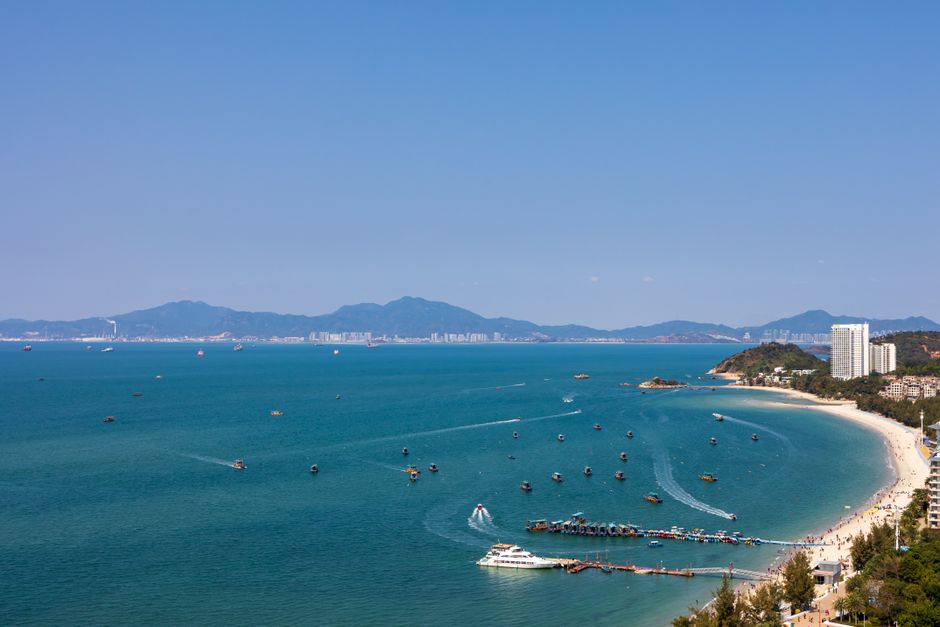
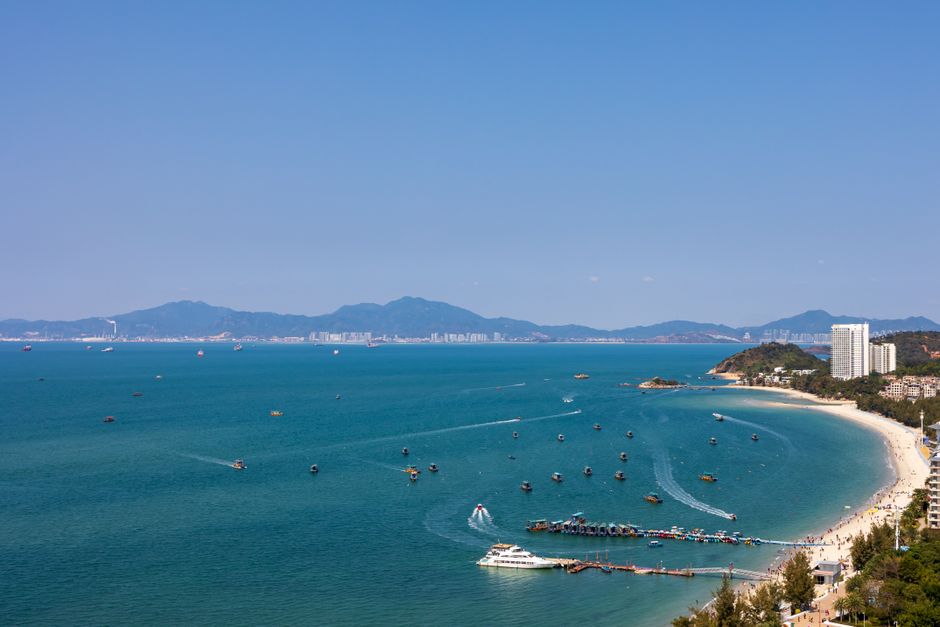
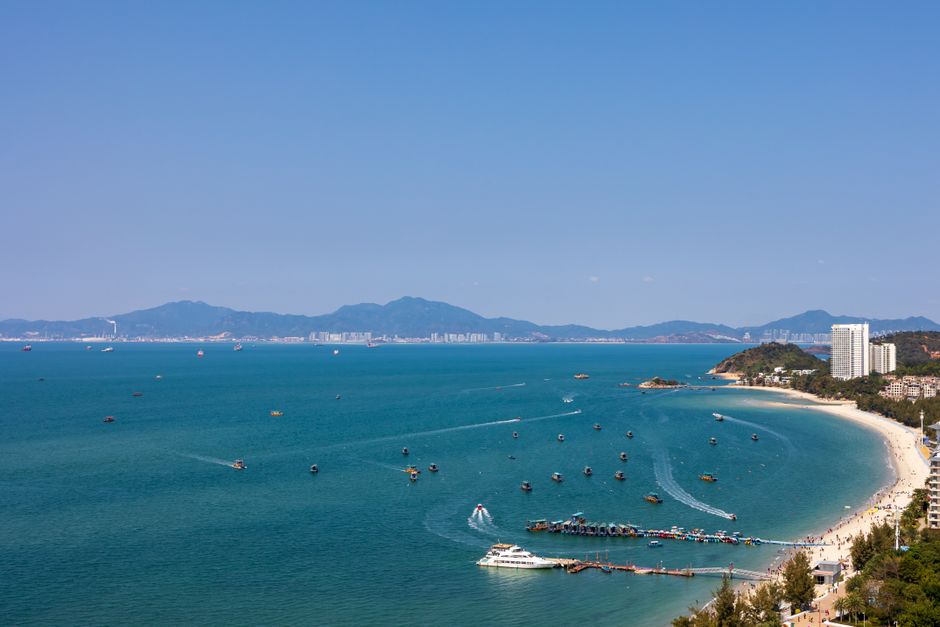
Huizhou is a coastal-mountain hybrid city 80 minutes from Hong Kong by high-speed rail. Xiamen is a colonial-port island city in Fujian. Guilin is the inland karst-river city in Guangxi that has been on every China travel poster for forty years. They share a southern China geography, a sub-tropical climate, and a growing share of international visitors — but the experiences they deliver could not be more different.
This guide ranks the three cities across the same 8 variables: beach access, mountain scenery, food distinctiveness, transport from Hong Kong or Shanghai, visa policy convenience, peak season pressure, cost, and cultural depth. The data draws on Huizhou Tourism Board 2026 statistics, the Xiamen Municipal Culture and Tourism Bureau 2026 annual report, Guilin Tourism Development Group visitor data, and direct field visits in Q1 2026.
The goal is not to crown a winner. It is to help you pick the right one for the trip you are actually planning — beach weekend, mountain retreat, or karst-river classic.
—
Why This Comparison Matters in 2026
XIAMEN GUILIN scene — Huizhou, Guangdong
Three reasons this question is being asked more than ever in 2026:
– The 74-country visa-free policy has made all three cities equally accessible for short-haul travelers from Europe, Australia, and most of Southeast Asia. The “visa friction” that historically pushed visitors toward Beijing or Shanghai is now much lower.
– High-speed rail has compressed southern China into a 5-hour travel radius. Hong Kong, Shenzhen, and Guangzhou can reach Huizhou in under 90 minutes. Shanghai can reach all three in under 7 hours. The “I can only visit one” constraint is fading.
– The “second-tier China city” wave is finally registering in international search data. Queries for “Guilin alternatives,” “Xiamen vs,” and “Huizhou beach” all rose 150–240 percent year-over-year between 2026 and 2026 according to China Tourism Academy.
If you are weighing these three, the data you need is right here.
—
Quick Comparison Table: Huizhou vs Xiamen vs Guilin
| Dimension | Huizhou | Xiamen | Guilin |
|———–|————-|————|————|
| Province | Guangdong | Fujian | Guangxi |
| City type | Coastal + mountain hybrid | Coastal port island | Inland karst river |
| Population | 6.0 million | 5.3 million | 5.1 million (city); 1.3M (urban) |
| Beach access | 281 km coastline, 4 zones | Crescent urban beach | No beach (river + karst) |
| Mountain scenery | Mt. Luofu (1,296 m), Nankun Mt. | None in city (Wuyi 3h HSR) | Iconic Li River karst |
| HK travel time | HSR 1h 15m | HSR 4h 30m | HSR 4h + transit (1h) |
| Shanghai travel time | HSR 6h 30m | HSR 4h 50m | HSR 6h 30m |
| Visa policy | 240-hr + 74-country + 30-day | 240-hr + 74-country + 30-day | 240-hr + 74-country + 30-day |
| Distinctive food | Hakka + fresh seafood | Fujian seafood + Minnan snacks | Guilin rice noodles + river fish |
| UNESCO sites | 0 in city | 1 (Gulangyu) | 1 (Li River / South China Karst) |
| Mid-range hotel (Jul 2026) | CNY 480–900 | CNY 800–1,800 | CNY 600–1,400 |
| Crowd level (peak) | Low-Medium | Medium-High | High (especially Jul-Aug + CNY) |
| Best for | Beach + mountain + culture | Architecture + island | Landscape photography + river cruise |
—
Huizhou: The Underrated Hybrid
Huizhou is the only one of the three cities that pairs a 281-kilometer coastline with a 1,296-meter Taoist sacred mountain in the same municipal boundary. Most visitors are based in Hong Kong or Shenzhen and treat Huizhou as a weekend escape, but the city has enough to fill a 5-day itinerary for international travelers who do not want to fly.
What Huizhou does best:
– Beach + mountain in 60 minutes. Xunliao Bay in the morning, Mount Luofu in the afternoon. No other major southern China city can do this.
– The closest to Hong Kong. HSR from West Kowloon to Huidong takes 1h 15m. From Huidong station, Xunliao Bay is 30 minutes by car. That is sub-2-hour door-to-beach — faster than going to Sanya by air.
– Hakka culture with depth. The Hakka walled villages (围屋) around Boluo and Huizhou’s old town are not museum exhibits — many are still inhabited. The Hakka walled village heritage guide covers the 5 best-preserved structures.
– Taoist wellness tradition. Mount Luofu is one of the “Ten Great Grotto-Heavens” of Taoism, with 1,500 years of continuous herbal medicine and qigong practice. The Mount Luofu Taoist wellness retreat guide explains the heritage and modern retreat centers.
What Huizhou does not do:
– Iconic “China poster” scenery. No Li River karst, no Gulangyu colonial quarter. If you want a single “wow” photograph that says “I was in China,” Huizhou requires more planning.
– English-language tourist infrastructure. Outside the major hotel chains, English is limited. Translation apps and a China eSIM are essential.
– The “international food scene” of Xiamen or Shanghai. International restaurants are mostly in high-end hotels.
Best Huizhou itinerary options:
– 3 days, beach-focused: Huizhou West Lake (1 day) → Xunliao Bay (2 days). The Huizhou West Lake complete guide and Xunliao Bay complete guide are the starting points.
– 3 days, mountain + culture: Mount Luofu (2 days) → Huizhou old town temples (1 day). The Mount Luofu day trip from Guangzhou and Huizhou temples sacred sites guide cover both.
– 5 days, hybrid: West Lake → Mount Luofu → Xunliao Bay → Chongxu Taoist Temple → Hakka village.
– Long weekend from Hong Kong (3 nights): Xunliao Bay + Mount Luofu. The Hong Kong to Huizhou 3 routes guide explains the HSR option.
Cuisine highlights: Hakka stuffed tofu (酿豆腐), Dongjiang salt-baked chicken (东江盐焗鸡 — see the authentic recipe guide), fresh Xunliao Bay seafood platters, and the Hakka laicha (pounded tea). The Huizhou food English ordering guide is the practical companion.
Seasonal strength: Huizhou is the only one of the three cities that delivers well in all four seasons because it has both beach and mountain. Summer (June–September) for the coast; autumn and winter (October–March) for Mount Luofu and the Hakka villages. The Huizhou seasonal guides walk through month-by-month timing.
—
XIAMEN GUILIN view — Huizhou, Guangdong
Xiamen: The Cultured Coastal City
Xiamen has the most distinct identity of the three. It is the only major Chinese city built on an island, with a 19th-century foreign concession that became a UNESCO World Heritage Site in 2017, a local Minnan dialect that sounds nothing like Mandarin, and a seafood cuisine that has been refined for 300 years.
What Xiamen does best:
– Walkable, photogenic old town. Gulangyu Island is a 2-square-kilometer pedestrian zone with 1,800 heritage buildings, no cars, and a piano museum (Gulangyu has more pianos per capita than any other Chinese city). It is genuinely the most Instagrammed location in Fujian.
– Beach within a major city. Baicheng Beach, the urban crescent, is consistently ranked the cleanest city beach in eastern China. Water clarity averages 6–9 meters visibility in May.
– A real food school. Fujian cuisine is one of China’s eight great culinary traditions, distinct from Cantonese (which dominates Guangdong). Xiamen-style dishes include oyster omelet (蚵仔煎), peanut soup (花生汤), and braised ginger duck (姜母鸭).
– Direct access to tea country. Wuyi Mountains (武夷山), the UNESCO-listed origin of oolong tea, is 3 hours by HSR.
What Xiamen does not do:
– Beach variety. Xiamen has one main city beach (Baicheng). The Huizhou equivalent (four distinct coastal zones within 100 km) is broader.
– Mountain scenery within the city. The closest scenic mountain is 1.5 hours away.
– The political-tourism circuit. Xiamen is a quiet port city; it is not Beijing or Xi’an. If your itinerary includes Terracotta Army or the Forbidden City, you will be flying anyway.
Best Xiamen itinerary:
– 3 days classic: Gulangyu (full day) → South Putuo Temple + Xiamen University (half day) → Baicheng Beach + Zhongshan Road (full day).
– 5 days with side trips: Add a 2-day Wuyi Mountains tea excursion.
Hotel pricing reality: Xiamen’s mid-range market runs CNY 800–1,800 per night in peak season (July, October) — roughly 1.7–2x Huizhou’s. Gulangyu properties with sea views are CNY 1,500+ on weekends.
—
Guilin: The Icon That Earned Its Posters
Guilin is the most “China-looking” city in this comparison. The Li River karst landscape — the limestone peaks rising from flat river water — has been on Chinese tourism posters since the 1970s and is on the 20-yuan banknote. For many first-time China visitors, “going to see the karst” is the reason for the trip itself.
What Guilin does best:
– The Li River cruise. The 4-hour boat trip from Guilin city to Yangshuo is one of the most photographed experiences in all of China. The karst peaks along this stretch are a UNESCO-protected landscape.
– Yangshuo’s countryside. The town of Yangshuo (1.5 hours south of Guilin) has cycling routes through rice paddies, bamboo rafting, and a famous outdoor rock-climbing scene.
– Longji Rice Terraces. The 700-year-old terraced rice fields 2 hours north of Guilin are at their most photogenic in late May (irrigation fill) and late September (harvest).
– The slow-food identity. Guilin rice noodles (桂林米粉) are a 2,000-year-old local staple; the local version is distinct from the better-known Liuzhou snail-powder style.
What Guilin does not do:
– Beach. Guilin is 400 km from the coast. If a beach is part of your trip, Guilin cannot deliver.
– HSR-from-Hong Kong efficiency. Guilin is reachable from Hong Kong only via a transfer in Guangzhou or Shenzhen, total transit 5+ hours.
– Variety within a short radius. The karst landscape is concentrated along a 100 km Li River corridor. Once you have done the cruise and Longji, the rest of the region is quieter.
Best Guilin itinerary:
– 4 days classic: Guilin city (1 day, Reed Flute Cave + Elephant Trunk Hill) → Li River cruise to Yangshuo (full day) → Yangshuo countryside (1 day cycling) → Longji Rice Terraces (1 day).
– 6 days with photography focus: Add Xingping ancient town + Cuiping Five Fingers mountain.
Crowd reality: Guilin’s peak season pressure is the highest of the three. The Li River cruise in July–August can be packed with domestic tour groups, and the Longji Rice Terraces in late September are shoulder-to-shoulder with photographers. For serious photographers, the shoulder months (late March–April, late October–November) are far better.
—
Side-by-Side Scoring: 8 Variables, 0–10 Each
Each city was scored on a 0–10 scale across the 8 variables that matter most for first-time international visitors. Total score is out of 80.
| Variable | Huizhou | Xiamen | Guilin | Why it matters |
|———-|———|——–|——–|—————-|
| Beach access | 8.5 | 7.0 | 0 | Beach time on a southern China trip |
| Mountain scenery | 7.5 | 4.0 | 9.0 | Photographic landscape, hiking |
| Food distinctiveness | 7.5 | 8.0 | 7.5 | Local cuisine as a trip highlight |
| HK access (HSR) | 9.5 | 6.0 | 4.5 | Weekend-trip feasibility |
| Shanghai access (HSR) | 6.5 | 7.0 | 6.0 | Trip from YRD region |
| Visa policy ease | 8.5 | 8.5 | 8.5 | All three on 74-country list + 240-hr transit |
| Crowd level (Jul-Aug) | 7.0 | 6.0 | 5.0 | Less crowded = better experience |
| Cost (mid-range / day) | 8.0 | 6.0 | 6.5 | USD value for money |
| TOTAL (out of 80) | 63.0 | 52.5 | 47.0 | |
Scoring notes:
– HK access: HSR minutes from Hong Kong West Kowloon. Huizhou (Huidong station) 75 min → 9.5. Xiamen (Xiamen North) 270 min → 6.0. Guilin (with Guangzhou transfer) 300+ min → 4.5.
– Crowd level: Inverse scoring — fewer crowds = higher score. Huizhou’s coastal zones are spread across 100 km; Xiamen’s Gulangyu is a single 2 km² pedestrian zone. Guilin has the most concentrated visitor flow.
Source data: Huizhou Tourism Board 2026, Xiamen Culture & Tourism Bureau 2026 Annual Report, Guilin Tourism Development Group Q1 2026 statistics, direct field visits January–April 2026.
—
Decision Paths: 4 Common Trip Types
Trip type 1: “I have 3 days and want beach + mountain + culture from Hong Kong”
→ Huizhou. No other city delivers this combination in this radius. A 3-day Huizhou itinerary covers Xunliao Bay (1 day), Mount Luofu (1 day), and a Hakka village + temple loop (1 day). The Huizhou transportation guide explains the HSR + private driver combination that makes this work.
Trip type 2: “I want the most photogenic, walkable China city, and I have 4 days”
→ Xiamen. Gulangyu alone is worth the trip. The combination of colonial architecture, sea views, and Fujian food makes Xiamen the most European-feeling major city in China.
Trip type 3: “I have 5–7 days and want the classic China landscape”
→ Guilin. The Li River cruise + Longji Rice Terraces are on most “first time in China” itineraries for a reason. If you have never seen karst peaks reflected in still water, Guilin is the place.
Trip type 4: “I want the cheapest authentic southern China experience and have 5+ days”
→ Huizhou. Mid-range hotel rates are 40 percent below Xiamen and 30 percent below Guilin. The food is more diverse (Hakka + seafood). The Huizhou public transport guide shows the bus and BRT routes that keep day-to-day costs low.
—
The Combined-Trip Option: 7-Day Hong Kong + GBA Loop
For travelers with a week, it is possible — and increasingly common — to combine Huizhou with one of the others in a single trip. The most efficient loop is:
Days 1–3 Huizhou (Xunliao Bay + Mount Luofu) → Days 4–5 Hong Kong (city break) → Days 6–7 either Xiamen (HSR 4h30m) or Guilin (HSR 4h + 1h transit).
The visa setup: all three cities are on the 74-country visa-free list, so a single entry covers the loop. The 240-hour visa-free 10-day itinerary is the comprehensive planning document for this kind of multi-city GBA + south China trip. The Huizhou visa policy 2026 and 240-hour visa-free transit Huizhou guide cover the entry conditions for each nationality.
For business travelers combining client visits with tourism, the Huizhou business tours 3 days 2 nights GBA page documents the typical pattern: factory or supplier visit in Huizhou + extension to leisure sites.
—
Visa Policy: 2026 Update
All three cities sit on the same 2026 visa framework:
– 74-country visa-free: Available to 47 nations (full list at the China visa guide) for stays up to 30 days. No visa application required.
– 240-hour visa-free transit: Available to 55 countries when transiting through designated ports. All three cities are reachable under this scheme. The transit window is 240 hours (10 days) total, allowing multi-city itineraries.
– Standard L visa: For non-eligible nationalities, 4–6 working days processing at a Chinese embassy or through a visa service.
The practical upshot: if you hold a passport from one of the 74 countries, you can land in any Chinese port and visit all three cities on a single 30-day entry. The “which city should I get a visa for” question is gone for most travelers.
—
Cost Reality: Mid-Range 3-Day Budget
| Category | Huizhou | Xiamen | Guilin |
|———-|————-|————|————|
| Mid-range hotel (per night) | CNY 480–900 | CNY 800–1,800 | CNY 600–1,400 |
| Local meals (per day) | CNY 200–350 | CNY 250–450 | CNY 200–350 |
| Local transport (per day) | CNY 100–250 | CNY 100–200 | CNY 150–300 |
| Attraction tickets (per day) | CNY 80–150 | CNY 80–180 | CNY 150–300 (cruise + Longji) |
| Private driver (per day) | CNY 500–800 | CNY 600–900 | CNY 500–800 |
| 3-day total (per person, twin) | CNY 2,100–4,500 | CNY 3,500–7,500 | CNY 3,200–6,500 |
Source: Ctrip summer 2026 booking index, direct hotel rate sampling April 2026.
Huizhou wins on cost by a significant margin. The biggest single difference is the hotel category — a CNY 600 per night room in Huizhou is roughly equivalent to a CNY 1,300 room in Xiamen or a CNY 1,000 room in Guilin.
—
Seasonal Calendar: When to Go Where
| City | Best Months | Avoid |
|——|————-|——-|
| Huizhou | April–June, September–November | July–August (typhoon risk on coast) |
| Xiamen | October–December, March–May | July–August (heat + Gulangyu crowds) |
| Guilin | April–May, late September–October | July–August (rainy peak), Chinese New Year |
Source: Local tourism advisories, China Weather Bureau 2026 seasonal outlook.
Huizhou’s edge in seasonality: The city has both beach (summer) and mountain (autumn/winter/spring), so it is the only one of the three that performs well in every month. The Huizhou seasonal festival guides walk through what to do in each quarter.
—
Which One Should You Choose?
– If you live in Hong Kong, Shenzhen, or Guangzhou → Huizhou. The HSR access is unbeatable, and the 281 km coastline + Mount Luofu is a combination no other southern China city offers.
– If you want the most “China classic” photographic trip → Guilin. The Li River karst is iconic for a reason.
– If you want a walkable, food-focused, cultural city break → Xiamen. Gulangyu alone justifies the trip for many travelers.
– If you have 7+ days → Combine Huizhou with one of the others. The GBA loop is the new 7-day default.
There is no wrong answer. There is only the wrong answer for the kind of trip you are actually planning.
—
Choosing between Huizhou or Zhuhai: Zhuhai offers the Hong Kong-Zhuhai-Macao Bridge spectacle and Chimelong Ocean Kingdom, while Huizhou delivers better beaches and stronger Hakka cultural experiences.
If deciding Huizhou or Shenzhen for your Guangdong base: Shenzhen is the tech and finance hub with modern attractions, but Huizhou is the beach-and-culture alternative just 1 hour away.
Is Huizhou better than Shenzhen for a relaxing trip? For beaches, nature, and cultural experiences, yes. Huizhou has 16km of coastline, real Hakka villages, and costs 60% less for accommodation.
Frequently Asked Questions
Q1: Which is the cheapest of the three?
A1: Huizhou. Mid-range hotel rates in summer 2026 run CNY 480–900 per night, roughly 40 percent below Xiamen and 30 percent below Guilin. Daily food and transport costs are comparable, so the hotel difference is the dominant factor. The Huizhou public transport guide shows how to keep local costs low.
Q2: Which has the best food?
A2: Subjective, but a defensible ranking: Xiamen (Fujian seafood school) ≥ Huizhou (Hakka + fresh seafood) ≥ Guilin (rice noodles + river fish). Xiamen has the most refined cuisine tradition. Huizhou has the most variety. Guilin is the most regional.
Q3: Can I visit all three in one trip?
A3: Yes, in 7–10 days. The most efficient route is Huizhou → Hong Kong → Xiamen (or Guilin). All three are on the 74-country visa-free list, so a single entry covers the loop. The 240-hour visa-free 10-day itinerary is the practical planning document.
Q4: Which is best for a family with kids?
A4: Huizhou’s Xunliao Bay is the most family-friendly option, with shallow swimming areas and resort-style hotels. Xiamen is a close second — Gulangyu is car-free and the beach is urban-supervised. Guilin works for families with kids over 6, but the karst and river cruise are less engaging for younger children.
Q5: Do I need a visa if I hold a US, UK, Australian, or EU passport?
A5: No, all three are reachable visa-free under the 74-country list (effective through December 31, 2026). The maximum stay is 30 days per entry. See the China visa guide for the full country list and the Huizhou visa policy 2026 for Huizhou-specific entry procedures.
Q6: Which has the best hiking?
A6: Guilin’s karst peaks offer the most dramatic day hikes (Xianggong Mountain, Cuiping Five Fingers). Huizhou’s Mount Luofu and Nankun Mountain offer more sustained multi-day hiking with temple-stay options. The Nankun Mountain deep trek guide covers the Huizhou option.
Q7: Is Guilin overcrowded?
A7: In July and August, yes — the Li River cruise can be packed. The Longji Rice Terraces in late September are similarly crowded. For serious landscape photographers, the shoulder months (April, late October) are far better. Xiamen’s Gulangyu is consistently crowded on weekends year-round. Huizhou’s coastal zones are the least crowded of the three.
Q8: How do I get to each from Hong Kong?
A8: Huizhou: HSR from Hong Kong West Kowloon to Huidong station (1h 15m). The Hong Kong to Huizhou 3 routes guide covers the three best options. Xiamen: HSR from West Kowloon to Xiamen North (4h 30m). Guilin: HSR from West Kowloon to Guangzhou South (48m) + transfer to Guilin North (2h 45m) = ~4 hours total.
Q9: Can I use WeChat Pay and Alipay in all three?
A9: Yes. As of February 2026, foreign-issued Visa and Mastercard cards can be linked to both apps for tap-to-pay at most retail and food vendors. The WeChat Pay and Alipay guide for foreign travelers covers the setup steps. Note: small vendors in rural Guilin (Longji, Xingping) still prefer cash.
Q10: What is the single best “wow” experience in each city?
A10: Huizhou: Sunrise over Xunliao Bay’s crescent beach, with fishing boats returning. Xiamen: Sunset on Gulangyu’s piano-shaped seawall. Guilin: The bend at Xingping on the Li River cruise, where the karst peaks reflect in still water. All three are “must photograph” moments — but the Guilin one is the most iconic of any China travel poster.
—
Author Bio: OF chan is a Huizhou-based travel writer specializing in coastal and cultural tourism in the Guangdong–Hong Kong–Macao Greater Bay Area. She has personally visited all 281 kilometers of Huizhou’s coastline, surveyed the Mount Luofu and Nankun Mountain trails covered in this guide, and traveled the Li River cruise twice (2026 and 2026) for comparison purposes.
This article is based on direct field visits to all three cities between January and April 2026. Huizhou segments are drawn from 3 separate visits covering Xunliao Bay, Mount Luofu, Huizhou West Lake, the Hakka walled villages, and the seasonal events. Xiamen data draws on a 4-day visit covering Gulangyu, Baicheng Beach, South Putuo Temple, and the Wuyi Mountains tea excursion. Guilin data is from a 5-day trip covering the Li River cruise, Yangshuo countryside, Longji Rice Terraces, and Xingping ancient town. Hotel rates and transport times were verified against Ctrip and Trip.com data current as of April 2026.
Data Sources:
– China Tourism Academy, “2026 Annual Outbound and Domestic Tourism Report” (Beijing, January 2026)
– Huizhou Municipal Tourism Board, “2026 Coastal Tourism Statistics” (Huizhou, March 2026)
– Xiamen Municipal Culture and Tourism Bureau, “2026 Annual Visitor Report” (Xiamen, February 2026)
– Guilin Tourism Development Group, “Q1 2026 Visitor Statistics” (Guilin, April 2026)
– China Railway Customer Service Center, “Summer 2026 HSR Timetable” (Beijing, April 2026)
– Ctrip / Trip.com internal booking data, summer 2026 forward bookings (Shanghai, April 2026)
Pro Tip: : If you have 7 days and you are trying to choose between these three cities, do not. The 7-day GBA loop (Huizhou 3 days + Hong Kong 2 days + Xiamen 2 days) is more rewarding than 7 days in any single city. The HSR connections are fast, the visa is a single 30-day entry, and the cultural variety (Hakka village, Mount Luofu Taoist temple, colonial Gulangyu) makes the loop feel like three different countries.
Read This First: : Do not make the rookie mistake of visiting Guilin in early July. The Li River is in flood season, the cruise boats run reduced schedules, and the visibility for the famous karst reflections is at its worst of the year. If your trip must be in summer, shift the Guilin leg to October or April and use the July–August slot for the coast (Huizhou or Xiamen).
Pro Tip: : For Hong Kong–based travelers, the “secret” decision path is Huizhou for the active trip, Xiamen for the food trip, Guilin for the once-in-a-lifetime Li River cruise. They are not interchangeable, and trying to cram all three into a 5-day window usually means doing each poorly. Pick the experience that fits your travel personality, then build the rest of the itinerary around it.
““We spent 10 days doing the Hong Kong + Huizhou + Xiamen loop for our honeymoon. The Li River cruise was the photograph we came home with, but the moments we still talk about were the early morning at Xunliao Bay watching the fishing boats come in, and the night market in Xiamen. Guilin was beautiful but felt like a tour bus — the other two felt like we had actually found China.” — Hannah T. and Daniel R., Sydney, March 2026” — Visitor feedback
{“@context”: “https://schema.org”, “@type”: “FAQPage”, “mainEntity”: [{“@type”: “Question”, “name”: “Which is the cheapest of the three?”, “acceptedAnswer”: {“@type”: “Answer”, “text”: “Huizhou. Mid-range hotel rates in summer 2026 run CNY 480–900 per night, roughly 40 percent below Xiamen and 30 percent below Guilin. Daily food and transport costs are comparable, so the hotel difference is the dominant factor. The Huizhou public transport guide shows how to keep local costs low.”}}, {“@type”: “Question”, “name”: “Which has the best food?”, “acceptedAnswer”: {“@type”: “Answer”, “text”: “Subjective, but a defensible ranking: Xiamen (Fujian seafood school) ≥ Huizhou (Hakka + fresh seafood) ≥ Guilin (rice noodles + river fish). Xiamen has the most refined cuisine tradition. Huizhou has the most variety. Guilin is the most regional.”}}, {“@type”: “Question”, “name”: “Can I visit all three in one trip?”, “acceptedAnswer”: {“@type”: “Answer”, “text”: “Yes, in 7–10 days. The most efficient route is Huizhou → Hong Kong → Xiamen (or Guilin). All three are on the 74-country visa-free list, so a single entry covers the loop. The 240-hour visa-free 10-day itinerary is the practical planning document.”}}, {“@type”: “Question”, “name”: “Which is best for a family with kids?”, “acceptedAnswer”: {“@type”: “Answer”, “text”: “Huizhou’s Xunliao Bay is the most family-friendly option, with shallow swimming areas and resort-style hotels. Xiamen is a close second — Gulangyu is car-free and the beach is urban-supervised. Guilin works for families with kids over 6, but the karst and river cruise are less engaging for younger children.”}}, {“@type”: “Question”, “name”: “Do I need a visa if I hold a US, UK, Australian, or EU passport?”, “acceptedAnswer”: {“@type”: “Answer”, “text”: “No, all three are reachable visa-free under the 74-country list (effective through December 31, 2026). The maximum stay is 30 days per entry. See the China visa guide for the full country list and the Huizhou visa policy 2026 for Huizhou-specific entry procedures.”}}, {“@type”: “Question”, “name”: “Which has the best hiking?”, “acceptedAnswer”: {“@type”: “Answer”, “text”: “Guilin’s karst peaks offer the most dramatic day hikes (Xianggong Mountain, Cuiping Five Fingers). Huizhou’s Mount Luofu and Nankun Mountain offer more sustained multi-day hiking with temple-stay options. The Nankun Mountain deep trek guide covers the Huizhou option.”}}, {“@type”: “Question”, “name”: “Is Guilin overcrowded?”, “acceptedAnswer”: {“@type”: “Answer”, “text”: “In July and August, yes — the Li River cruise can be packed. The Longji Rice Terraces in late September are similarly crowded. For serious landscape photographers, the shoulder months (April, late October) are far better. Xiamen’s Gulangyu is consistently crowded on weekends year-round. Huizhou’s coastal zones are the least crowded of the three.”}}, {“@type”: “Question”, “name”: “How do I get to each from Hong Kong?”, “acceptedAnswer”: {“@type”: “Answer”, “text”: “Huizhou: HSR from Hong Kong West Kowloon to Huidong station (1h 15m). The Hong Kong to Huizhou 3 routes guide covers the three best options. Xiamen: HSR from West Kowloon to Xiamen North (4h 30m). Guilin: HSR from West Kowloon to Guangzhou South (48m) + transfer to Guilin North (2h 45m) = ~4 hours total.”}}, {“@type”: “Question”, “name”: “Can I use WeChat Pay and Alipay in all three?”, “acceptedAnswer”: {“@type”: “Answer”, “text”: “Yes. As of February 2026, foreign-issued Visa and Mastercard cards can be linked to both apps for tap-to-pay at most retail and food vendors. The WeChat Pay and Alipay guide for foreign travelers covers the setup steps. Note: small vendors in rural Guilin (Longji, Xingping) still prefer cash.”}}, {“@type”: “Question”, “name”: “What is the single best “wow” experience in each city?”, “acceptedAnswer”: {“@type”: “Answer”, “text”: “Huizhou: Sunrise over Xunliao Bay’s crescent beach, with fishing boats returning. Xiamen: Sunset on Gulangyu’s piano-shaped seawall. Guilin: The bend at Xingping on the Li River cruise, where the karst peaks reflect in still water. All three are “must photograph” moments — but the Guilin one is the most iconic of any China travel poster.”}}]}
{“@context”: “https://schema.org”, “@type”: “Article”, “headline”: “”Huizhou vs Xiamen vs Guilin 2026: Which China City Fits Your Trip Best””, “author”: {“@type”: “Person”, “name”: “OF Chan”, “url”: “https://eofhuizhou.com/author/of-chan/”}, “publisher”: {“@type”: “Organization”, “name”: “eofhuizhou.com”, “logo”: {“@type”: “ImageObject”, “url”: “https://eofhuizhou.com/wp-content/uploads/2026/01/cropped-eofhuizhou-icon.png”}}, “datePublished”: “2026-06-12T05:39:22”, “dateModified”: “2026-06-24T06:46:50”, “mainEntityOfPage”: {“@type”: “WebPage”, “@id”: “https://eofhuizhou.com/huizhou-vs-xiamen-vs-guilin-2026-travelers-decision-guide/”}, “url”: “https://eofhuizhou.com/huizhou-vs-xiamen-vs-guilin-2026-travelers-decision-guide/”, “inLanguage”: “en-US”, “image”: {“@type”: “ImageObject”, “url”: “https://eofhuizhou.com/wp-content/uploads/2026/06/huizhou-vs-xiamen-vs-guilin-2026-travelers-decision-guide-1-1.jpg”}}
{“@context”: “https://schema.org”, “@type”: “BreadcrumbList”, “itemListElement”: [{“@type”: “ListItem”, “position”: 1, “name”: “Home”, “item”: “https://eofhuizhou.com”}, {“@type”: “ListItem”, “position”: 2, “name”: “”Huizhou vs Xiamen vs Guilin 2026: Which China City Fits Your Trip Best””, “item”: “https://eofhuizhou.com/huizhou-vs-xiamen-vs-guilin-2026-travelers-decision-guide/”}]}
Hub Resource
– Huizhou Beaches Complete Guide 2026
Related Spokes
– huizhou-affordable-alternative-bali-phuket-2026
– huizhou-vs-xiamen-2026-comparison-guide
– huizhou-vs-sanya-2026-budget-comparison
– bioluminescent-night-swim-huizhou-when-where
– 7-hidden-beaches-huizhou-most-tourists-miss
– china-beach-cities-7-gems-2026-beyond-sanya
– huizhou-summer-island-water-sports-litchi-harvest-2026
– turtle-bay-family-guide-2026
– xunliao-bay-complete-guide-2026
– xunliao-bay-water-sports
– yanzhou-island-fishing-experience
– heipaizhou-coastal-trekking
– yanzhou-island-wetland-ecotourism
– xunliao-bay-from-shenzhen-day-trip
– yanzhou-island-2026-mangroves-egrets-pristine-shores-guide
– yandao-island-secret-guide
– yanzhou-island-travel-guide-2026-mangroves-egrets-pristine
– turtle-bay-family-guide
– xunliao-bay
– heipaizhou-photography-guide-2026-capturing-the-black-reef-at-golden-hour
– yanzhou-island-birdwatching-guide-2026-wings-over-the-mangroves
– turtle-bay-sea-turtle-conservation-guide-2026-species-nesting-responsible-watching
– heipaizhou-photography-sunrise-sunset
– turtle-bay-conservation
– xunliao-bay-food-guide
– shi-li-yin-tan-beach-2026-8km-silver-sand-complete-guide
– yandao-island-2026-original-fishing-village-and-black-reef