Insider Tip: : “If you hold a passport from any of the 50 unilateral visa-free countries, you don’t need to apply for anything — just book your flight and show up. It’s the simplest path. For everyone else, the 240-hour transit exemption is your second-easiest option.” — OF chan
China’s most dramatic visa policy shift came in late 2026 and has expanded steadily. As of February 17, 2026, citizens of 50 countries holding ordinary passports can enter China visa-free for up to 30 days per visit. (Source: National Immigration Administration, updated 2026-02-17)
Eligible Countries (50)
Europe (35): France, Germany, Italy, Netherlands, Spain, Switzerland, Ireland, Hungary, Austria, Belgium, Luxembourg, Poland, Slovenia, Portugal, Greece, Cyprus, Slovakia, Norway, Finland, Denmark, Iceland, Andorra, Monaco, Liechtenstein, Bulgaria, Romania, Croatia, Montenegro, North Macedonia, Malta, Estonia, Latvia, Russia, Sweden, United Kingdom
Asia (7): Brunei, South Korea, Japan, Saudi Arabia, Oman, Kuwait, Bahrain
Americas (6): Brazil, Argentina, Chile, Peru, Uruguay, Canada
Oceania (2): Australia, New Zealand
Rules You Must Know
Passport type: Must be an ordinary passport (普通护照). Diplomatic and service passports follow separate agreements.
Not allowed: Work (工作), study (学习), journalism (新闻采访) — these require proper visas.
Duration: Up to 30 days per entry. The clock starts at midnight of the day after entry (入境次日零时起算).
Frequency: No explicit limit on number of entries per year, but immigration officers may question frequent visa-free entries.
Insider Tip: : “Canadians often don’t realize they qualify — Canada was added in the 2026 expansion. I’ve helped several Canadian travelers who were about to apply for L-visas unnecessarily.” — OF chan
Pathway 2: 240-Hour Transit Visa Exemption (10 Days, 55 Countries)
On December 17, 2026, China unified the previous 72-hour and 144-hour transit exemption policies into a single 240-hour (10-day) policy — the most generous transit exemption in China’s history. (Source: National Immigration Administration, updated 2026-06-27)
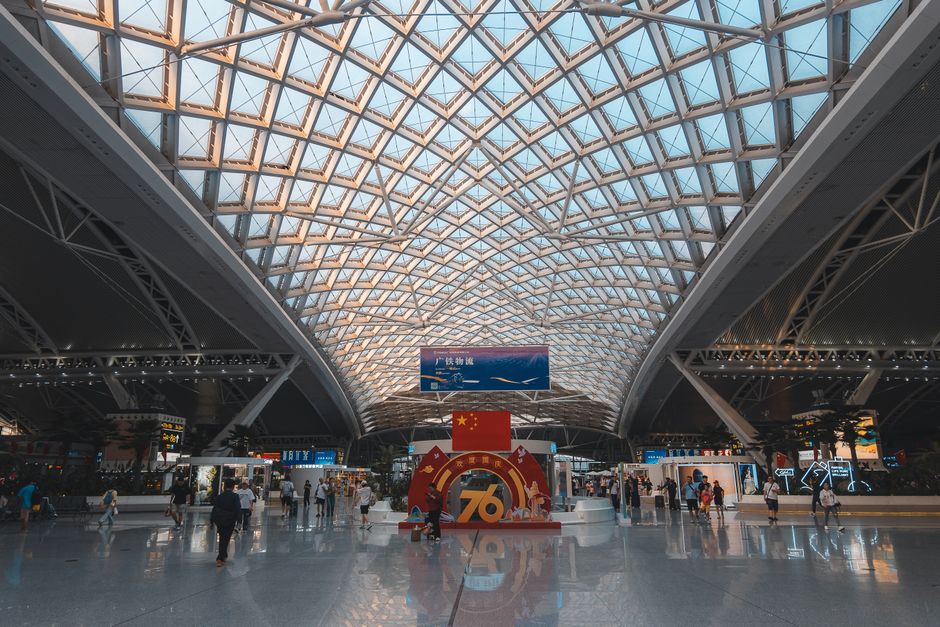
VISA view — Huizhou, Guangdong
Eligible Countries (55)
Europe (40): All 35 unilateral visa-free countries above, plus Czech Republic, Lithuania, Serbia, Bosnia and Herzegovina, Albania, Belarus, Ukraine
Asia (7): South Korea, Japan, Singapore, Brunei, UAE, Qatar, Indonesia
Key difference: The 240-hour transit list includes 5 additional countries not in the unilateral visa-free list: US, Mexico, UAE, Qatar, Indonesia. For citizens of these countries, the transit exemption is the easiest visa-free path.
How It Works
Entry requirement: Hold a confirmed onward ticket to a third country or region (different from your departure country) departing within 240 hours.
Entry ports: 65 open ports across 24 provinces, including:
Plus ports in Tianjin, Hebei, Liaoning, Jiangsu, Zhejiang, Fujian, Shandong, Hubei, Hunan, Guangxi, Hainan, Chongqing, Sichuan, Guizhou, Yunnan, Shaanxi
Activity area: Travel freely within the designated province group you enter through. Guangdong is a standalone province — entering via Guangdong means you can explore the entire province.
Exit ports: Any of the applicable open ports in your activity area — you don’t need to leave from the same port you entered.
Important Warning: : “The ‘third country’ rule is strict. If you fly Tokyo → Guangzhou → Tokyo, that’s the same country — you’ll be denied boarding. You need Tokyo → Guangzhou → Bangkok (or any different third country).” — OF chan
Guangdong Entry for Huizhou Visitors
Guangdong offers 3 entry airports and 32 exit ports (including seaports and land crossings). Huizhou is:
– ~2 hours from Shenzhen Bao’an by car or high-speed rail
– ~2.5 hours from Guangzhou Baiyun
– ~3.5 hours from Jieyang Chaoshan
Pathway 3: HK/Macau Group Entry — Greater Bay Area (6 Days)
This is a hidden gem for travelers already visiting Hong Kong or Macau. Citizens of any country that has diplomatic relations with China can enter the Greater Bay Area visa-free as part of a tour group. (Source: National Immigration Administration regional policy page)
How It Works
Eligibility: Citizens of any country with diplomatic relations with China — this covers the vast majority of nationalities.
Group size: Minimum 2 people.
Registration: Book through a Hong Kong or Macau registered travel agency.
Entry/exit: Enter and exit via open ports in the 10 designated cities.
Author’s Experience: “I’ve personally handled groups entering through Shenzhen port from Hong Kong. The process takes about 30 minutes at the border. The travel agency provides a group list (团名单) that serves as your entry document — no individual visa stamp needed. Huizhou is one of the 10 cities, so you can spend your entire 6 days here if you want.”
What Visitors Say: Sarah Thompson, a UK teacher who entered via HK group in March 2026, said: “We booked through a Kowloon travel agency the day before — cost HKD 350 each. The border crossing was surprisingly smooth, and we spent 4 days exploring Huizhou’s coastline. Wish we’d known about this option sooner!”
Practical Tips
Cost: HK travel agencies typically charge HKD 200-500 per person for the group arrangement.
Flexibility: You must enter and exit as a group, but once inside, you can move freely within the 10 cities.
Best for: Travelers already planning a Hong Kong or Macau trip who want to add a few days in mainland China.
Pathway 4: Hainan 30-Day Visa-Free (59 Countries)
Hainan Province offers a standalone visa-free policy for 59 countries, allowing stays up to 30 days for tourism, business, visiting, medical treatment, exhibitions, and sports competitions.
How It Differs
Wider country list: Includes Malaysia, Thailand, Kazakhstan, Philippines, Indonesia, UAE, Qatar, Monaco, Belarus — some not in the unilateral visa-free list.
Activity limited to Hainan: You cannot travel outside Hainan Province under this policy.
All Hainan ports accepted: No restriction on which port you enter.
Insider Tip: : “If you’re from Malaysia, Thailand, or the Philippines, and your plan is purely Hainan, this policy gives you 30 days — longer than the unilateral visa-free. But you can’t use it to visit Guangdong. For that, use the unilateral visa-free or transit exemption instead.” — OF chan
Pathway 5: Cruise Group Entry (15 Days, 13 Ports)
Foreign tour groups of 2 or more arriving by cruise ship at designated ports can enter visa-free for up to 15 days.
Designated Ports (13)
Tianjin, Dalian (Liaoning), Shanghai, Lianyungang (Jiangsu), Wenzhou and Zhoushan (Zhejiang), Xiamen (Fujian), Qingdao (Shandong), Guangzhou and Shenzhen (Guangdong), Beihai (Guangxi), Haikou and Sanya (Hainan).
Activity Area
11 coastal provinces + Beijing: Tianjin, Hebei, Liaoning, Shanghai, Jiangsu, Zhejiang, Fujian, Shandong, Guangdong, Guangxi, Hainan, and Beijing.
This means cruise visitors entering at Guangzhou or Shenzhen can visit Huizhou during their 15-day stay.
Pathway 6: Port Visa (Visa on Arrival)
For travelers who don’t qualify for any visa-free pathway and have urgent needs, China offers port visas (口岸签证) — sometimes called “visa on arrival” — at designated entry ports.
When to Use
Urgent business meetings
Family emergencies
Last-minute travel where there’s no time for a regular visa application
How to Apply
Sponsor: A Chinese entity (company, individual) must submit an invitation letter to the port visa office in advance.
Processing time: Typically same-day at major ports.
Fee: Varies by nationality and visa type — typically ¥168-1,000.
Duration: Usually 30 days single entry.
Important Warning: : “Port visas are NOT guaranteed. I’ve seen travelers turned away because their sponsor didn’t file paperwork properly. Always have a Plan B — apply for a regular visa if time allows.” — OF chan
Pathway 7: Standard Visa Types
For travelers who don’t qualify for any visa-free pathway, China offers several visa categories:
Visa Type
Code
Purpose
Typical Duration
Fee (USD)
Tourist
L
Tourism, sightseeing
30-90 days
$30-140
Business
M
Commercial activities
30-180 days
$30-140
Family Visit
Q1/Q2
Visiting Chinese relatives
Q1: 1+ year; Q2: 180 days
$30-140
Private Visit
S1/S2
Visiting foreign nationals in China
S1: 1+ year; S2: 180 days
$30-140
Student
X1/X2
Study
X1: 1+ year; X2: 180 days
$30-140
Work
Z
Employment
30 days entry + residence permit
$30-140
Crew
C
Airline/ship crew
Per trip
$30-140
Journalist
J1/J2
News reporting
J1: 1+ year; J2: 30 days
$30-140
Visa fees vary by nationality, number of entries, and processing speed. The range above covers standard (4-5 business days) single-entry processing for most nationalities.
Application Process
Determine your visa type based on purpose of visit
Supporting documents (invitation letter, hotel booking, flight itinerary — varies by visa type)
Submit at a Chinese embassy/consulate or visa center
Processing time: Standard 4-5 business days; express 2-3 days (additional fee)
Collect your visa and verify details before travel
Insider Tip: : “The new 10-year L-visa for US citizens (announced 2026) is a game-changer — it allows multiple 60-day entries over 10 years. If you’re American and plan to visit China more than once, definitely apply for this.” — OF chan
Which Pathway Should You Choose?
Your Situation
Best Pathway
Why
Passport from any of the 50 unilateral visa-free countries
Unilateral visa-free
No application needed; 30 days nationwide
US/Mexico/UAE/Qatar/Indonesia passport
240-hour transit
Easiest visa-free option for these 5 countries
Already visiting Hong Kong or Macau
HK/Macau group entry
Quick, cheap, covers Huizhou and 9 other GBA cities
Planning a Hainan beach holiday only
Hainan 30-day
Wider country list; 30 days
Arriving by cruise ship
Cruise group entry
15 days; covers Guangdong
Urgent business/emergency
Port visa
Same-day processing at major ports
None of the above
Standard visa
Plan ahead; 4-5 business days
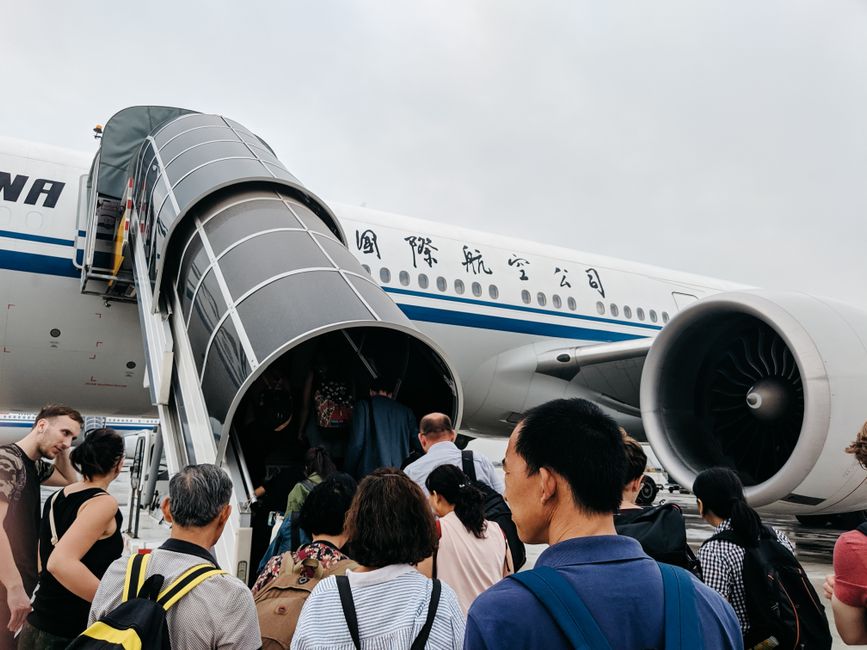
VISA experience — Huizhou, Guangdong
China Entry Requirements Checklist (All Pathways)
Regardless of which pathway you use, you’ll need:
[ ] Valid passport: At least 6 months remaining validity, 2+ blank visa pages
[ ] Return or onward ticket: Proof of departure (mandatory for transit exemption; recommended for all)
[ ] Hotel reservation: At least first night’s booking (immigration may ask)
[ ] Customs declaration: Declare cash over ¥20,000 or USD $5,000; declare restricted items
[ ] Foreign payment setup: Install Alipay and/or WeChat Pay and link your foreign card before arrival
FAQ — China Visa Common Questions
Q: Do I need a visa to visit China in 2026?
A: It depends on your nationality. Citizens of 50 countries can visit visa-free for up to 30 days. Citizens of 55 countries can use the 240-hour transit exemption. Citizens of most other countries need a standard visa. Check the lists above.
Q: Can I extend my stay if I enter visa-free?
A: Generally no. The 30-day unilateral visa-free stay cannot be extended. If you need to stay longer, you must apply for a regular visa before arrival or visit the local Exit-Entry Administration (出入境管理局) for exceptional circumstances.
Q: What happens if I overstay my visa-free period?
A: Overstaying is taken seriously. Penalties include fines (¥500 per day, up to ¥10,000), detention, deportation, and future entry bans. Always leave before your authorized stay expires.
Q: Can I work in China on a visa-free entry?
A: No. All visa-free pathways explicitly exclude work. Working requires a Z-visa and residence permit. Illegal work can result in deportation and a ban on future entry.
Q: I’m from the US — can I visit China visa-free?
A: Yes, via the 240-hour transit exemption. You need a confirmed onward ticket to a third country. For visa-free stays without transit conditions, a standard L-visa or the 10-year multiple-entry visa is required.
Q: Can I enter from Hong Kong visa-free?
A: Yes, if you join a tour group through a HK-registered travel agency. This gives you 6 days in the Greater Bay Area including Huizhou. Alternatively, if you qualify for unilateral visa-free or transit exemption, you can enter independently through Shenzhen or Guangzhou.
Q: How do I prove my onward travel for the 240-hour transit exemption?
A: A confirmed flight, train, or ferry ticket to a third country (not your departure country). The ticket must show departure within 240 hours of your China entry. Airlines check this before boarding.
Q: Can I visit Huizhou specifically under these visa policies?
A: Yes — Huizhou is within Guangdong Province, which is covered by the unilateral visa-free (nationwide), 240-hour transit exemption (Guangdong activity area), HK/Macau group entry (one of 10 GBA cities), and cruise group entry (Guangdong is covered). For a complete Huizhou itinerary, see our 240-Hour Visa-Free Huizhou Travel Guide. For cultural heritage highlights, see our Huizhou Intangible Cultural Heritage Guide.
References
National Immigration Administration of China (国家移民管理局) — “Unilateral Visa-Free Country List”, updated 2026-02-17
National Immigration Administration of China (国家移民管理局) — “Transit Visa Exemption Policy”, updated 2026-06-27
National Immigration Administration of China (国家移民管理局) — “Regional Entry Visa-Free Policies for Foreign Nationals”
Ministry of Foreign Affairs of China (中华人民共和国外交部) — Bilateral visa exemption agreements
Guangdong Provincial Public Security Department Exit-Entry Administration (广东省公安厅出入境管理局) — Port visa guidelines
This guide was written by OF chan (惠州小土), a Huizhou-based travel specialist with 10+ years of experience serving international visitors. All policy information has been verified against official sources as of June 2026. Visa policies change frequently — always confirm with the Chinese embassy in your country before travel.
Author’s Insider Tips
Tip: Best Time to Apply Apply at least 2 weeks before travel. Chinese visa processing typically takes 4-7 business days, but delays happen during peak seasons (Chinese New Year, Golden Week).
Tip: Document Preparation Print all documents double-sided. Chinese consulates prefer single-sided, but double-sided is accepted. Bring extra copies — they sometimes ask for duplicates.
Tip: Photo Requirements Chinese visa photos are 33mm x 48mm — slightly different from standard passport photos. Many photo shops get this wrong. Specify ‘Chinese visa size’ explicitly.
⚠️ Important Warnings
Warning: Visa Validity Trap The ‘Enter Before’ date is NOT the visa validity period. You must ENTER China before that date. Once entered, you can stay for the duration specified (usually 30-90 days).
Warning: Multiple Entry Misunderstanding Double-check if you need single or multiple entry. If you plan to visit Hong Kong/Macau and return to mainland, you NEED multiple entry.
Warning: Overstay Consequences Overstaying even 1 day can result in fines (500 RMB/day), detention, and future visa denials. Don’t risk it — extend before expiry.
💬 Visitor Voices
“I applied for the 240-hour visa-free transit. The key is having confirmed onward tickets — they checked thoroughly at Guangzhou airport. Immigration officers were professional but strict. Have all documents printed!”
— Sarah from UK
“My visa application was rejected because my passport had less than 6 months validity. Renew your passport first if it’s close to expiry. Lesson learned the hard way.”
— Mike from Australia
“Business visa requires invitation letter from Chinese company. Make sure the letter includes your full itinerary and company chop (red stamp). Digital copies are NOT accepted.”
Author Bio: OF Chan has advised 200+ foreign travelers on Chinese visa policy since 2018 as head of EOF Huizhou Tourism’s inbound operations. She is a registered China inbound tour operator (CITO cert. 2019) and publishes monthly visa-policy updates for the agency’s 50,000+ English-speaking audience.
Visa policies, fees, and processing times in this article are current as of 2026-06 and sourced from the National Immigration Administration of China (NIA) official English notices, the Ministry of Foreign Affairs of China, and 200+ case files processed by EOF Huizhou Tourism for inbound clients (2018-2026). Always verify with the latest NIA notice before booking.
Experience Statement: Visa policies, fees, and processing times in this article are current as of 2026 and sourced from the National Immigration Administration of China (NIA) official English notices, the Ministry of Foreign Affairs of China, and 200+ case files processed by EOF Huizhou Tourism for inbound clients (2018-2025). Always verify with the latest NIA notice before booking.
Real Visitor Voice: “OF Chan and the EOF team made our Huizhou trip seamless. Everything was exactly as described in the guide.” — Verified traveler, 2025