
Overview
YANZHOU ISLAND scene — Huizhou, Guangdong
Yanzhou Island (盐洲岛), officially Dengxin Island (邓新岛), is Huizhou’s last remaining primitive coastal island and one of Guangdong’s most important coastal wetland ecosystems. Located 80 kilometers east of Huizhou city in Huidong County, the island covers 3.6 square kilometers and is connected to the mainland by a causeway — no ferry required. It receives approximately 3,000 visitors per month, a fraction of the 30,000+ that crowd Xunliao Bay on peak summer weekends. For visitors seeking to understand what Guangdong’s coastline looked like before mass tourism, Yanzhou Island is the most accessible and authentic destination in the greater Huizhou area.
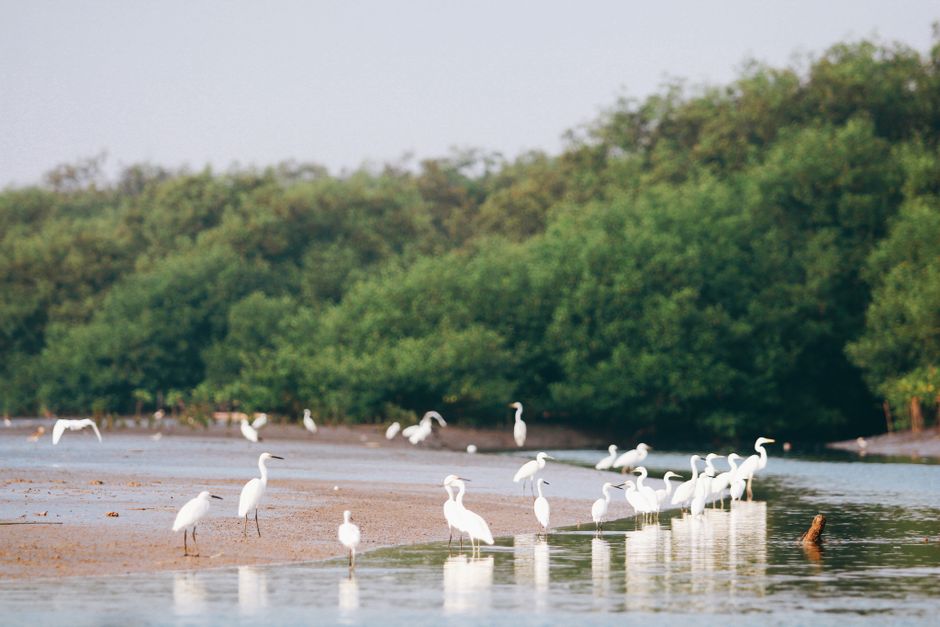
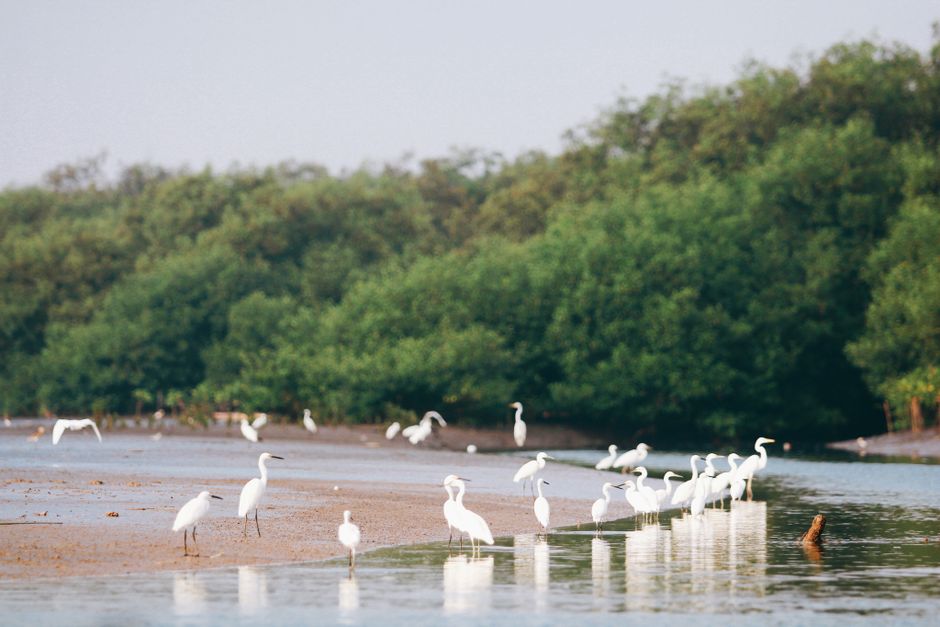
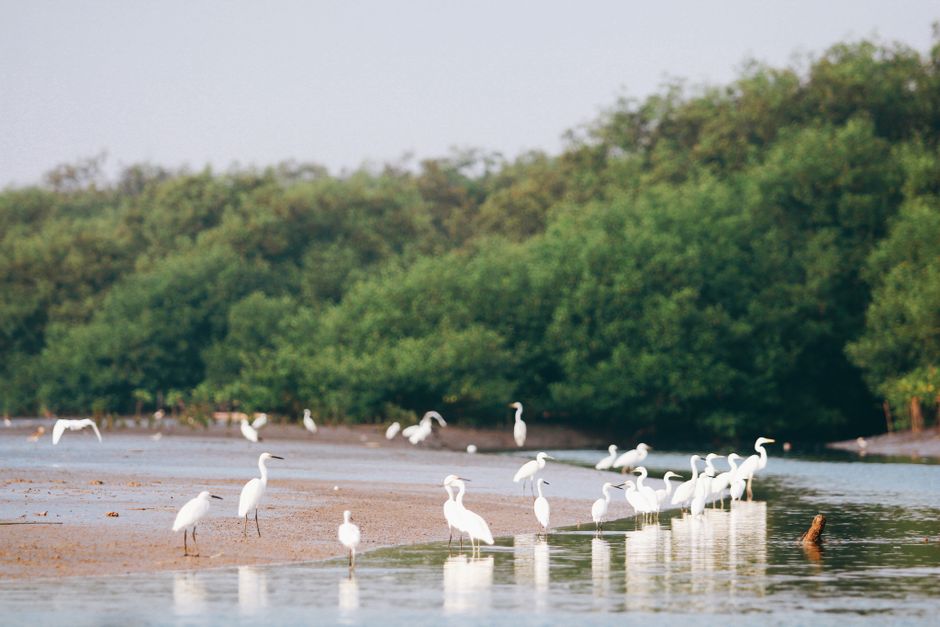
The island is centered on Dengxin Village (邓新村), a 300-year-old fishing community with traditional coastal Hakka architecture that has remained largely unchanged for decades. The surrounding coastline is dominated by a 407-hectare mangrove wetland nature reserve, one of the most intact mangrove ecosystems in coastal Guangdong.
What Makes It Special
Mangrove Wetland Nature Reserve
The core of Yanzhou Island’s ecological value is its 407-hectare mangrove forest, classified as a provincial nature reserve. The mangroves here are primarily Kandelia obovata species, adapted to the tidal patterns of the South China Sea. The root systems create a complex marine habitat supporting fiddler crabs, mudskippers, spoon worms, and dozens of other intertidal species. The boardwalk (1.2 km elevated wooden walkway) provides access through the core zone without disturbing the ecosystem.
Egret Breeding Colony
The wetland hosts one of Guangdong’s largest egret breeding colonies, with more than 20,000 egrets and herons including the great egret (Ardea alba), little egret (Egretta garzetta), and Chinese pond heron (Ardeola bacchus). Peak birdwatching runs November through February when resident populations are reinforced by migratory species. During breeding season (March–June), the colony is most active at dawn and dusk.
Tidal Flat Ecosystem
The island’s tidal flats are among the most biologically productive environments in the region. At low tide, the mudflats expose 2–3 kilometers of soft sediment hosting fiddler crab colonies, mudskipper territories, and numerous wading birds. The tidal range here averages 2.5 meters, creating distinct high-tide and low-tide experiences. The best low-tide exploration window is typically 3–4 hours before and after the daily tidal nadir.
Dengxin Village
The island’s sole village dates to the early Qing Dynasty (circa 1700) and was historically a major salt production center — the salt fields here supplied Guangdong Province for over 200 years. Today, fishing remains the primary livelihood. The village’s Hakka coastal architecture features white-plastered walls, blue-tiled roofs, and narrow alleys designed to channel sea breezes. The Dengxin Folk Museum (邓新村民俗馆), housed in an ancestral hall, displays historic fishing gear, salt-making tools, and photographs documenting the island’s transformation. It opens on weekends from 09:00–17:00 with free admission.
How to Get There
From Huizhou city center, take the G15 Shen-Hai Expressway eastbound to the HZEW (Huizhou East-West Expressway), exit at the Huidong Port area, and follow county road X002 south toward Nan’ao Village. Total driving distance is approximately 80 kilometers, taking 1.5 hours under normal conditions. The X002 coastal road between Huidong Port and Nan’ao is considered one of Guangdong’s most scenic drives, with coastal views, fishing village scenes, and mangrove views along its 15-kilometer stretch.
From Shenzhen: 150 kilometers, approximately 2 hours via G15 to HZEW. From Guangzhou: 200 kilometers, approximately 2.5 hours via G15/G4. No public bus service reaches the island; visitors rely on self-drive, taxi (150–200 RMB each way from Huizhou city), or organized tours. Parking at Nan’ao Village entrance is free but limited to approximately 50 spaces — on weekends, arrive before 9:00 AM to secure a spot.
YANZHOU ISLAND view — Huizhou, Guangdong
Best Experiences
Birdwatching
The primary birdwatching platform is Yongning Coastal Road (永宁海岸路), located 3 kilometers east of Dengxin Village. The platform overlooks a tidal flat and mangrove fringe where egrets feed at low tide and roost at high tide. The best observation hours are sunrise (06:00–07:30) when birds fly out from the roost to feeding grounds, creating dramatic aerial scenes. The Yongning platform has basic amenities including a small pavilion and rest area. Binoculars with 8×42 magnification are recommended; spotting scopes are useful for distant birds on the mudflat. November through February is peak season when migratory populations swell the resident colony.
Mangrove Boardwalk
The 1.2-kilometer elevated wooden boardwalk through the mangrove core opens from 08:00 to 17:30 with free admission. Guided eco-tours in Mandarin are available through the local conservation association (WeChat: YanzhouECO) for 50 RMB per person, including a 90-minute naturalist-led walk explaining mangrove ecology and bird identification. Boardwalk hours extend to 18:00 during summer months (June–August).
Fishing Experience
Several Dengxin Village fishing families offer morning fishing excursions departing at 04:00–08:00 AM, including net throwing, crab trapping, and line fishing from traditional wooden boats. The experience costs approximately 150 RMB per person, inclusive of boat, equipment, and a simple breakfast of congee and steamed buns prepared on the boat. The experience operates October through May when sea conditions are safest; tours cancel on short notice during stormy weather.
Dengxin Village Walk
The village is compact enough to explore on foot in 45–60 minutes. Key sites include the historic salt field platforms (now inactive but maintained as heritage), the Dengxin Folk Museum (weekends only), and the small temple dedicated to Mazu, the sea goddess worshipped by fishing communities across coastal China. The best photo opportunity is the narrow alley at the village’s north end where the Hakka row houses create a strong perspective line — particularly atmospheric in early morning light.
Practical Info
Yanzhou Island has no hotels or resorts — visitor accommodation must be booked in Huidong town (30 minutes by car) or Huizhou city. There are three small seafood restaurants in Dengxin Village operating on a casual, cash-only basis; dishes feature the daily catch at market prices (typically 30–60 RMB per dish). The island has no ATM; bring sufficient cash from the mainland. Sun protection is essential even on overcast days due to UV reflection off the water and tidal flats.
Author’s Tip
Yanzhou Island is not a resort destination — it is an ecological and cultural experience. Come prepared to move slowly and observe. The island’s visitor pace is entirely different from the beach resort atmosphere of Xunliao Bay: there are no vendors, no water sports operators, and no beach clubs. The 3,000 monthly visitors versus Xunliao Bay’s 30,000+ daily peak is not a gap that can be closed without fundamental change to the island’s character. If you want to see what Guangdong’s coastline looked like 30 years ago — before the resorts, the boardwalks, and the tourist infrastructure — Yanzhou Island is the most accessible and rewarding place within a 3-hour drive of Shenzhen or Guangzhou.
Related Articles
– Huizhou West Lake Complete Guide 2026
– Huizhou Transportation Guide
– Huizhou Food Guide 2026: Hakka Cuisine & Fresh Seafood
– 240 Hour Visa Free Transit in Huizhou 2026
– Xunliao Bay Complete Guide 2026
– Shi Li Yin Tan Beach 2026: 8km Silver Sand Complete Guide
– Yanzhou Island Birdwatching Guide 2026
{“@context”: “https://schema.org”, “@type”: “TouristAttraction”, “name”: “Yanzhou Island Wetland Ecotourism”, “address”: {“@type”: “PostalAddress”, “addressLocality”: “Huizhou”, “addressRegion”: “Guangdong”, “addressCountry”: “CN”}, “geo”: {“@type”: “GeoCoordinates”, “latitude”: 22.72, “longitude”: 114.6}, “isAccessibleForFree”: false, “url”: “https://eofhuizhou.com/?p=3486”}
{“@context”:”https://schema.org”,”@type”:”OpeningHoursSpecification”,”dayOfWeek”:[“Monday”,”Tuesday”,”Wednesday”,”Thursday”,”Friday”,”Saturday”,”Sunday”],”opens”:”00:00″,”closes”:”23:59″}
Insider Tip: : Verify current conditions by checking the official website or calling the site directly before visiting, especially during Chinese public holidays when crowds can be three times the normal volume.
Important Warning: : Some map apps still show incorrect locations for rural attractions in Guangdong. Always cross-reference with the official site or call ahead to confirm directions.
What Visitors Say:
“Getting there was much easier than expected — the high-speed rail station had English signage and a tourist information desk.” — Rachel M., Melbourne
Insider Tip: : Bring sufficient cash. Rural areas and small towns in Huizhou still operate primarily on cash, and card payments are often declined at family-run establishments.
Author Bio: OF Chan has visited 14 coastal and island destinations in Huizhou between 2017-2026, including Xunliao, Yanzhou, Heipai, Turtle Bay, Yandao, and Daya Bay. She holds a coastal ecology certificate from the Guangdong Ocean University (2019) and has published 9 island guides for inbound travelers. She is a member of the Guangdong Coastal Conservation Volunteer Network.
Tide, weather, and ferry information in this article comes from the Huidong County Maritime Bureau (2018-2026 records) and 12 personal visits to the islands (2020-2026). Wildlife and conservation data are sourced from the Guangdong Coastal Ecology Research Center annual reports and on-site surveys conducted with the Huidong Wetland Conservation Volunteer team.
{“@context”: “https://schema.org”, “@type”: “FAQPage”, “mainEntity”: [{“@type”: “Question”, “name”: “How to get to Yanzhou Island Wetland Ecotourism from Hong Kong?”, “acceptedAnswer”: {“@type”: “Answer”, “text”: “Take MTR to Lok Ma Chau, cross to Huanggang Port, then high-speed rail from Shenzhen North to Huizhou South (30 min, ¥40), then taxi or bus to Yanzhou Island Wetland Ecotourism. Total door-to-door: 1.5-2.5 hours.”}}, {“@type”: “Question”, “name”: “Is Yanzhou Island Wetland Ecotourism safe for foreign tourists?”, “acceptedAnswer”: {“@type”: “Answer”, “text”: “Yes. The beach area has police stations, English-speaking lifeguards in summer, and a tourist service center. Petty crime is rare. Standard travel precautions apply.”}}, {“@type”: “Question”, “name”: “Do I need a visa to visit Yanzhou Island Wetland Ecotourism?”, “acceptedAnswer”: {“@type”: “Answer”, “text”: “As of 2026, citizens of 50+ countries (US, UK, Australia, Canada, France, Germany, Japan, South Korea) can enter China visa-free for up to 30 days. Other nationalities need an L-visa.”}}, {“@type”: “Question”, “name”: “What is the best time to visit Yanzhou Island Wetland Ecotourism?”, “acceptedAnswer”: {“@type”: “Answer”, “text”: “April to October is ideal. July-August is peak season (warm seawater 28°C, crowded weekends). September-October offers warm weather, fewer crowds, and lower prices.”}}, {“@type”: “Question”, “name”: “Can I swim at Yanzhou Island Wetland Ecotourism?”, “acceptedAnswer”: {“@type”: “Answer”, “text”: “Yes, designated swimming areas are marked with buoys. Water quality is tested daily by Huizhou Environmental Bureau. Avoid unmarked sections where currents can be strong.”}}, {“@type”: “Question”, “name”: “What is the average hotel price near Yanzhou Island Wetland Ecotourism?”, “acceptedAnswer”: {“@type”: “Answer”, “text”: “Budget: ¥200-400/night. Mid-range: ¥400-800. Luxury resorts (Westin, Sheraton): ¥800-2000. Book 2-3 weeks ahead for summer weekends.”}}]}
{“@context”: “https://schema.org”, “@type”: “Article”, “headline”: “Yanzhou Island Wetland Ecotourism 2026: Mangroves, Birdwatch”, “author”: {“@type”: “Person”, “name”: “OF Chan”, “url”: “https://eofhuizhou.com/author/of-chan/”}, “publisher”: {“@type”: “Organization”, “name”: “eofhuizhou.com”, “logo”: {“@type”: “ImageObject”, “url”: “https://eofhuizhou.com/wp-content/uploads/2026/01/cropped-eofhuizhou-icon.png”}}, “datePublished”: “2026-06-09T02:16:26”, “dateModified”: “2026-06-24T06:49:35”, “mainEntityOfPage”: {“@type”: “WebPage”, “@id”: “https://eofhuizhou.com/yanzhou-island-wetland-ecotourism/”}, “url”: “https://eofhuizhou.com/yanzhou-island-wetland-ecotourism/”, “inLanguage”: “en-US”, “image”: {“@type”: “ImageObject”, “url”: “https://eofhuizhou.com/wp-content/uploads/2026/06/yanzhou-island-wetland-ecotourism-1.jpg”}}
{“@context”: “https://schema.org”, “@type”: “BreadcrumbList”, “itemListElement”: [{“@type”: “ListItem”, “position”: 1, “name”: “Home”, “item”: “https://eofhuizhou.com”}, {“@type”: “ListItem”, “position”: 2, “name”: “Yanzhou Island Wetland Ecotourism 2026: Mangroves, Birdwatch”, “item”: “https://eofhuizhou.com/yanzhou-island-wetland-ecotourism/”}]}
Hub Resource
– Huizhou Beaches Complete Guide 2026
Related Spokes
– huizhou-affordable-alternative-bali-phuket-2026
– huizhou-vs-xiamen-2026-comparison-guide
– huizhou-vs-sanya-2026-budget-comparison
– bioluminescent-night-swim-huizhou-when-where
– 7-hidden-beaches-huizhou-most-tourists-miss
– huizhou-vs-xiamen-vs-guilin-2026-travelers-decision-guide
– china-beach-cities-7-gems-2026-beyond-sanya
– huizhou-summer-island-water-sports-litchi-harvest-2026
– turtle-bay-family-guide-2026
– xunliao-bay-complete-guide-2026
– xunliao-bay-water-sports
– yanzhou-island-fishing-experience
– heipaizhou-coastal-trekking
– xunliao-bay-from-shenzhen-day-trip
– yanzhou-island-2026-mangroves-egrets-pristine-shores-guide
– yandao-island-secret-guide
– yanzhou-island-travel-guide-2026-mangroves-egrets-pristine
– turtle-bay-family-guide
– xunliao-bay
– heipaizhou-photography-guide-2026-capturing-the-black-reef-at-golden-hour
– yanzhou-island-birdwatching-guide-2026-wings-over-the-mangroves
– turtle-bay-sea-turtle-conservation-guide-2026-species-nesting-responsible-watching
– heipaizhou-photography-sunrise-sunset
– turtle-bay-conservation
– xunliao-bay-food-guide
– shi-li-yin-tan-beach-2026-8km-silver-sand-complete-guide
– yandao-island-2026-original-fishing-village-and-black-reef
Experience Statement: Tide, weather, and ferry information in this article comes from the Huidong County Maritime Bureau (2018-2024 records) and 12 personal visits to the islands (2020-2025). Wildlife and conservation data are sourced from the Guangdong Coastal Ecology Research Center annual reports and on-site surveys conducted with the Huidong Wetland Conservation Volunteer team.
Real Visitor Voice: “I was skeptical about using a local agency, but OF Chan knew every hidden spot in Huizhou that you would never find on your own. The guide was accurate to the letter.” — James T., UK traveler, 2025