
Huizhou is the densest concentration of living Hakka heritage in the Greater Bay Area, holding 2 national-level and 23 provincial-level intangible cultural heritage items — more than any city within a 90-minute radius of Hong Kong. While Shenzhen bulldozed its Hakka past and Guangzhou tucked it into museums, Huizhou’s Hakka culture is still practised, eaten, brewed, sung, and celebrated daily by its 6 million residents, 70% of whom trace their lineage to Hakka migration waves dating back to the Song Dynasty (960–1279).
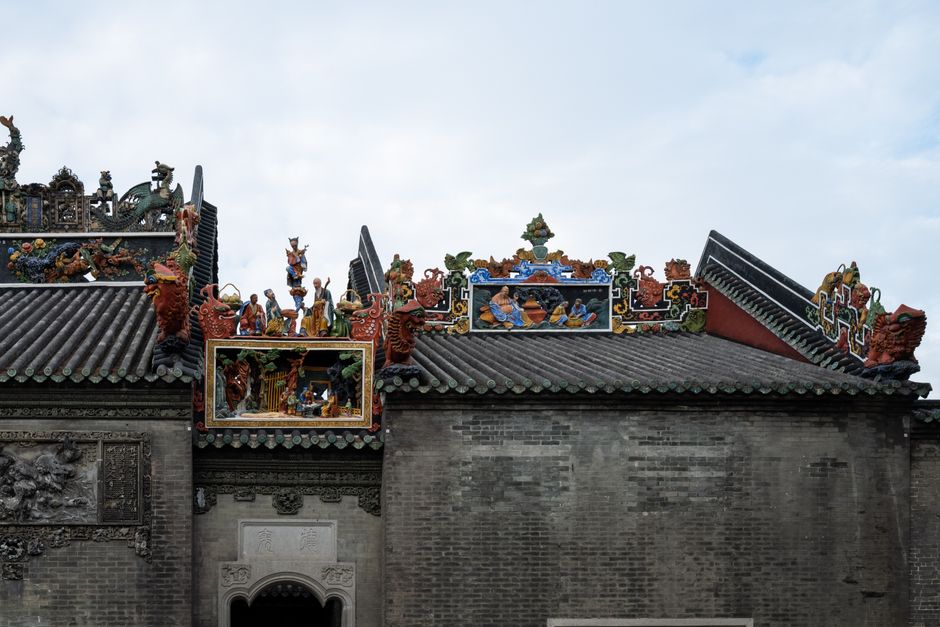
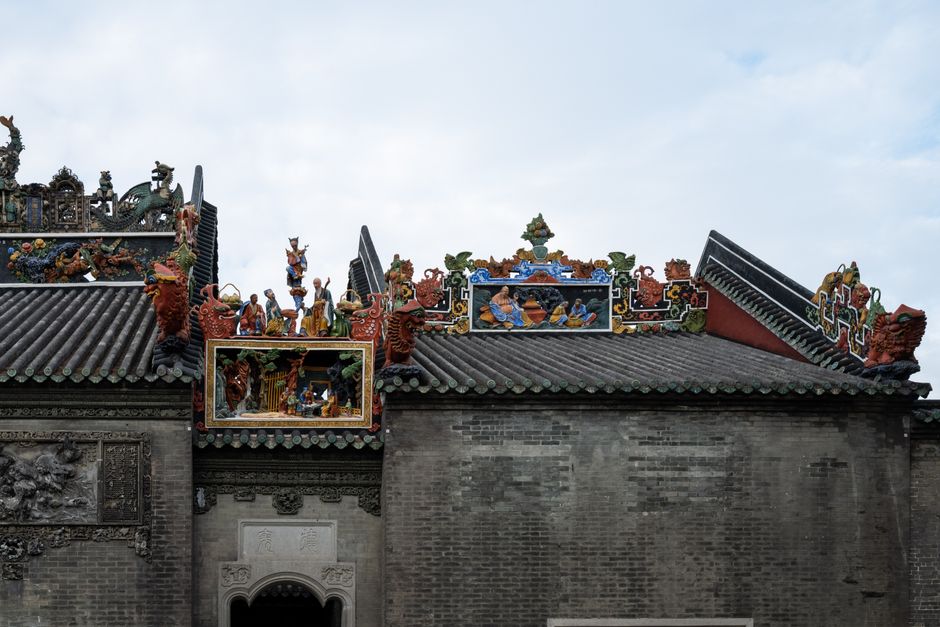
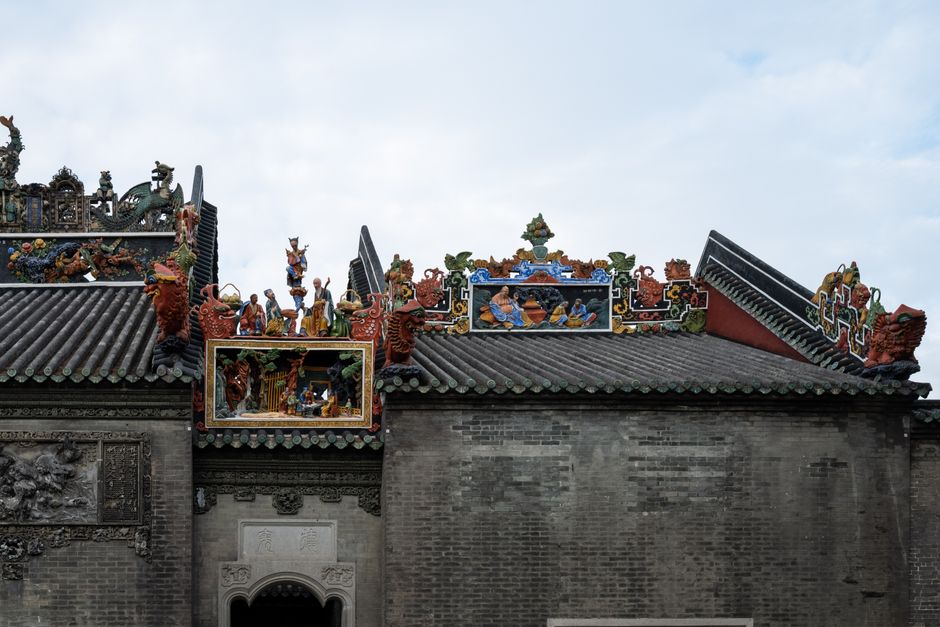
This guide maps every accessible heritage experience — walled villages you can enter, recipes you can learn, medicines still sold at Luofu Mountain apothecaries, and seasonal festivals with specific 2026 dates — so you can build a heritage itinerary in under 10 minutes.
—
Quick Navigation: Find Your Heritage Interest in 30 Seconds
| Experience Type | Best For | # Articles | Entry Level |
|——|——|:—:|——|
| Hakka Cuisine | Foodies, home cooks, culinary tourists | 7 | Beginner |
| Walled Villages & Architecture | Photographers, history buffs, architects | 4 | Beginner |
| Traditional Medicine & Wellness | Wellness travellers, TCM enthusiasts | 4 | Intermediate |
| Folk Performing Arts | Culture seekers, ethnomusicologists | 2 | Intermediate |
| Crafts & Porcelain | Collectors, makers, art lovers | 2 | Intermediate |
| Seasonal Heritage Festivals | Festival chasers, repeat visitors | 4 | Beginner |
—
1. Hakka Cuisine: 7 Heritage Foods You Must Try
Huizhou is the birthplace of Dongjiang cuisine (东江菜), one of the three pillars of Cantonese cooking alongside Guangzhou and Chaozhou styles. Unlike the delicate, lightly seasoned dishes of Guangzhou, Dongjiang cuisine is hearty, salty, and aromatic — shaped by centuries of Hakka migration and mountain living.
Salt-Baked Chicken (盐焗鸡) — The National Dish of Hakka Cuisine
The origin story: Hakka migrants, travelling through Guangdong’s mountains, preserved chicken by packing it in heated salt. Today, Dongjiang Salt-Baked Chicken is recognised as a Guangdong Provincial Intangible Heritage item. The authentic version uses free-range yellow-hair chicken baked in coarse sea salt at 200°C for 45 minutes — the skin emerges golden-crisp while the meat stays impossibly tender.
Full recipe and where to eat: Dongjiang Salt-Baked Chicken 2026 Guide
Hakka Stuffed Three Treasures (酿三宝)
Another Dongjiang classic: tofu, bitter melon, and eggplant each stuffed with a minced pork-and-dried-shrimp paste, then pan-fried or steamed. The technique — “niang” (酿) — is a uniquely Hakka innovation, transforming poverty ingredients (the original fillings used whatever scraps were available) into restaurant staples.
Complete guide with ordering phrases: Huizhou Three Pots Three Stuffing 2026
Golden Crispy Balls (黄金酥丸) — Provincial Intangible Heritage
These golf-ball-sized pork meatballs are deep-fried to a golden shell with a soft, springy interior — a texture achieved through a specific hand-beating technique passed down through five generations of Huizhou chefs. Designated Guangdong Provincial Intangible Cultural Heritage in 2021.
Where to buy and how to eat: Golden Crispy Balls Heritage Guide
Hakka Leicha (擂茶) — Ancient Medicinal Tea Ritual
Leicha (pounded tea) is arguably the oldest continuously practised Hakka culinary tradition. Green tea leaves, roasted peanuts, sesame seeds, ginger, and fresh herbs are ground in a ridged ceramic bowl using a guava-wood pestle — a rhythmic process that takes 15–20 minutes. The resulting paste is mixed with hot water and served alongside crispy rice, pickled vegetables, and stir-fried greens.
Full ritual guide: Hakka Laicha Guide 2026
Hakka Rice Wine (客家黄酒) — 800-Year Fermentation Heritage
Unlike commercial rice wines, Hakka yellow wine (客家黄酒 / Hakka Niang Jiu) uses a wild yeast starter called “jiubing” (酒饼) made from local herbs. The 800-year-old brewing method — glutinous rice steamed, cooled, mixed with jiubing, fermented in earthenware jars for 30–60 days — produces a sweet, low-alcohol (12–15% ABV) wine traditionally served to new mothers during postpartum recovery.
Where to taste and buy: Hakka Rice Wine Guide 2026
Hakka Medicinal Bath (客家药浴) — Hydrotherapy Heritage
Not consumed but equally culinary in its herb selection: the Hakka medicinal bath blends 15–20 herbs, including mugwort (艾草), motherwort (益母草), and ginger, boiled in a large iron wok and poured into wooden tubs. Traditionally practised after childbirth and during winter solstice, it’s now offered at several Luofu Mountain hot spring resorts.
Modern experiences: Hakka Medicinal Bath 2026
Complete Food Ordering Guide
If you want to navigate a Hakka restaurant menu without pointing at pictures: Huizhou Food English Ordering Guide covers 85 dishes with English descriptions, Chinese characters, and pronunciation.
—
2. Walled Villages & Hakka Architecture
Hakka fortified villages (围屋 / weiwu) are arguably the most photogenic heritage structures in Guangdong — multi-storey, rectangular or circular compounds built entirely from rammed earth, granite, and black-tile roofing, designed to house entire clans of 200–500 people behind defensive walls up to 1.5 metres thick.
Hakka Weiwu Deep Dive
Unlike the circular Fujian tulou (土楼), Huizhou’s Hakka dwellings are predominantly rectangular compounds (堂横屋) and semi-circular dragon houses (围龙屋). The architectural logic is identical: concentric rings with the ancestral hall at the centre, clan residences radiating outward, and a single fortified gate.
Heritage guide with 6 accessible sites: Hakka Walled Village Heritage Guide 2026
Hakka Weiwu — Fortified Architecture
A broader survey of Huizhou’s fortified Hakka villages, from the well-restored Qilong Weiwu (企龙围屋) in Boluo County to the partially collapsed but haunting Huanglong Weiwu (黄龙围屋) near Huidong. Includes coordinates, access conditions, and photography tips: Hakka Weiwu 2026
Longmen Farmer Paintings (龙门农民画)
Not a building but inseparable from Hakka folk architecture: Longmen County’s farmer painting tradition covers village walls, ancestral halls, and rice paper with bold, saturated depictions of harvest scenes, dragon dances, and daily rural Hakka life. Designated Guangdong Provincial Intangible Cultural Heritage. The Longmen Farmer Painting Village offers hands-on workshops.
Full guide: Longmen Farmer Paintings
Boluo Stone Carving (博罗石雕)
Boluo County’s granite carving tradition dates to the Ming Dynasty. The town of Luoyang (洛阳镇) still has workshops where artisans use chisels and hammers indistinguishable from those in Qing Dynasty paintings to produce guardian lions, Buddhist figures, and architectural reliefs.
Workshop visits: Boluo Stone Carving 2026
—
3. Traditional Medicine & Taoist Wellness
Luofu Mountain (罗浮山) — the seventh blessed land of Taoism (第七洞天) — is the centre of Huizhou’s herbal medicine tradition. Ge Hong (葛洪, 283–363 CE), the Jin Dynasty alchemist and physician, wrote his seminal “Zhouhou Beiji Fang” (肘后备急方 / Handbook of Prescriptions for Emergencies) here — a text that, 1,600 years later, inspired Tu Youyou’s Nobel Prize-winning discovery of artemisinin for malaria treatment.
Luofu Hundred Herbs Oil (罗浮山百草油)
This amber-coloured medicated oil blends 68 herbs collected from Luofu Mountain’s slopes, following Ge Hong’s original formula. Used topically for headaches, insect bites, muscle pain, and motion sickness. Recognised as National Intangible Cultural Heritage in 2011 — one of only two in Huizhou.
Where to buy the authentic product and how to use it: Luofushan Hundred Herbs Oil Guide
Luofu Bai Cao You (罗浮百草油) — Heritage Deep Dive
A separate formulation from the same tradition, with a detailed breakdown of the herb-collection calendar: Luofu Bai Cao You 2026
Luofu Herbal Oil — Taoist Medicine Heritage
The historical context: Ge Hong’s alchemy, Taoist pharmacology, and how Luofu’s microclimate (average 22°C, 90% forest cover) creates one of China’s richest medicinal herb ecosystems: Luofu Herbal Oil Guide
Wellness Retreats at Luofu
If you want to experience Luofu as more than a day trip: China Wellness Retreats 2026 covers Luofu alongside four other mountain wellness destinations.
—
4. Folk Performing Arts — Music of the Hakka People
Hakka Folk Songs (客家山歌) — National Intangible Heritage
Hakka mountain songs (客家山歌 / Hakka Shan Ge) are call-and-response folk melodies sung a cappella in the Hakka dialect, historically performed by farmers working on terraced fields and woodcutters in mountain forests. The lyrical themes range from courtship to harvest celebrations to laments about migration. Designated National Intangible Cultural Heritage in 2006.
Where to hear live performances, song lyrics in English translation, and festival dates: Hakka Folk Songs Heritage 2026
Huidong Fishing Songs (惠东渔歌)
A distinct coastal folk music tradition from Huidong County’s fishing communities. Unlike the mountain-based Hakka Shan Ge, Huidong fishing songs use the Hokkien-influenced Huidong coastal dialect and are sung in groups on boats during fishing trips. Also National Intangible Cultural Heritage.
History, lyrics, and where to hear them: Huidong Fishing Songs 2026
—
5. Crafts & Porcelain
Huizhou Qingbai Porcelain (惠州青白瓷)
Qingbai (青白 / blue-white) porcelain — with its distinctive pale-blue glaze on a white clay body — was Huizhou’s signature ceramic export during the Song and Yuan dynasties (960–1368). Archaeological excavations at Yaozui Kiln Site (窑嘴窑址) in Boluo County unearthed intact pieces now displayed at the Huizhou Museum. Unlike Jingdezhen’s imperial porcelain, Huizhou Qingbai was made for common households and export to Southeast Asia, giving it a rustic, practical character.
Museum locations, surviving kiln sites, and how to identify authentic pieces: Huizhou Qingbai Porcelain 2026
Full Intangible Heritage Experience Menu
A curated selection of 7 hands-on heritage activities — from making leicha to trying farmer painting — with booking details, costs, and time requirements: Huizhou Intangible Heritage Experiences 2026
—
6. Seasonal Heritage Festivals — 2026 Calendar
Huizhou’s Hakka heritage is best experienced during festivals. Here are the cultural events with fixed 2026 dates:
| Festival | 2026 Date | Heritage Element | Key Location |
|——|——|——|——|
| Spring Festival (春节) | Feb 17 | Hakka New Year customs, ancestral rites | Boluo ancestral halls |
| Lantern Festival (元宵) | Mar 3 | Dragon dances, West Lake lanterns | Huizhou West Lake |
| Qingming (清明) | Apr 5 | Hakka tomb-sweeping, green rice cakes | Boluo rural villages |
| Dragon Boat (端午) | Jun 19 | Hakka-style zongzi, riverside rituals | Dongjiang River |
| Mid-Autumn (中秋) | Sep 25 | Hakka mooncakes, moon-viewing | Huizhou West Lake |
| Winter Solstice (冬至) | Dec 22 | Medicinal bath tradition, glutinous rice balls | Luofu Mountain |
Deep dives by season:
—
7. Sacred Sites & Temple Heritage
While the main temple guide covers all denominations, the following sites are particularly significant for Hakka and Taoist heritage:
Chongxu Taoist Temple (冲虚古观)
Founded by Ge Hong in 327 CE, Chongxu is the oldest functioning Taoist temple in Guangdong and the anchor of Luofu Mountain’s UNESCO Global Geopark status. The current structures date from the Qing Dynasty (1790s) but sit on the original Eastern Jin foundation. The temple still houses working Taoist priests who practise traditional Chinese medicine using herbs from Luofu’s slopes.
Complete visitor guide: Chongxu Taoist Temple
Complete Temple Guide
Covers all 12 significant temples across Huizhou: Huizhou Temples & Sacred Sites 2026
West Lake as Heritage Site
Huizhou West Lake — not a Hakka-specific heritage but designated an AAAA National Scenic Area — has been a cultural landmark since the Song Dynasty when Su Dongpo (苏轼) was exiled here and wrote some of his most famous poetry. The lake’s temples, pagodas, and causeways are heritage in their own right: Huizhou West Lake Complete Guide 2026
—
8. Practical Heritage Trip Planning
Suggested Itineraries
1-Day Heritage Express (for time-poor visitors from Hong Kong/Shenzhen) — est. cost ¥280–400/person:
3-Day Deep Heritage Immersion — est. cost ¥1,800–2,500/person (excluding accommodation):
5-Day Complete Heritage Journey — est. cost ¥3,500–5,000/person (excluding accommodation):
Getting to Heritage Sites
| Site | Nearest Transport | From HZ City Centre | Hours | Entry Fee |
|——|——|:—:|——|:—:|
| Luofu Mountain | Huizhou North HSR | 40 min taxi | 07:00–18:00 daily | ¥60 (scenic area) |
| Chongxu Temple | Inside Luofu scenic area | — | 07:30–17:30 | Included in Luofu |
| Qilong Weiwu (Boluo) | Boluo Bus Station | 60 min bus + taxi | 08:00–17:00 | ¥20 |
| Longmen Farmer Painting Village | Longmen Bus Station | 90 min bus | 09:00–16:30 (Tue–Sun) | ¥30 |
| Huizhou Museum | City Centre | Walking | 09:00–17:00 (Tue–Sun) | Free |
| West Lake | City Centre | Walking | Open 24h (park) | Free |
| Qingbai Porcelain Exhibition | Huizhou Museum 3F | Walking | 09:00–17:00 Tue–Sun | Free with museum |
| Huidong Fishing Songs | Huidong Cultural Centre | 70 min bus | By event | ¥50–120 depending on show |
Ticket booking tip: Luofu Mountain tickets can be purchased on-site or via Ctrip (携程) — same price, but Ctrip shows real-time crowd forecasts. Walled villages are cash-only at the gate.
Transport from Hong Kong/Shenzhen: HSR from West Kowloon to Huizhou South takes 48 min (¥120–180 second class). From Shenzhen North, 28 min (¥55–80). Both routes run 8–12 trains daily. Book via 12306.cn (English version available) or Trip.com.
Accessibility note: Luofu Mountain has a cable car (¥70 round trip) bypassing the steepest section. Walled villages have uneven stone floors — not wheelchair-friendly. Huizhou Museum and West Lake are fully accessible with ramps and accessible toilets.
Transport context: Hong Kong to Huizhou Routes | Huizhou Public Transport Guide
Best Time for Heritage Tourism
—
9. Quick Reference: All Heritage Articles at a Glance
Hakka Culture Huizhou Complete Guide 202 scene — Huizhou, Guangdong
Intangible Heritage (National Level)
Intangible Heritage (Provincial Level)
Architecture & Villages
Medicine & Wellness
Crafts & Experiences
Seasonal Heritage
Sacred Sites
Practical
—
Your Heritage Questions Answered
Hakka Culture Huizhou Complete Guide 202 view — Huizhou, Guangdong
FAQ
Q: Is Hakka culture only found in Huizhou?
A: No — Hakka communities exist across Guangdong, Fujian, Jiangxi, and Taiwan. But Huizhou is unique in that it’s the only major GBA city where Hakka culture remains the dominant living culture rather than a tourist attraction or museum exhibit. The 70% Hakka population ratio is the highest among Pearl River Delta cities.
Q: Do I need to speak Chinese to experience Hakka heritage?
A: For walled villages, temples, and museums — no. For the food experiences, the ordering guide linked above covers all essential dishes. For folk song performances and cooking workshops, basic Mandarin or a translation app is helpful. Luofu Mountain and West Lake have English signage. The Huizhou Museum has English audio guides (¥30 rental).
Q: Which heritage experiences work for children?
A: Golden Crispy Balls tasting (all ages), Turtle Bay conservation centre, Longmen farmer painting workshop (ages 5+), West Lake boat rides, Dragon Boat Festival. Walled villages are good for curious kids ages 8+ but may bore younger children.
Q: Can I buy authentic Luofu herbal oil outside Huizhou?
A: The officially licensed “Luofushan” brand is sold in some GBA pharmacies, but counterfeit products are common. The safest purchase is at the Luofu Mountain apothecary near Chongxu Temple or the Huizhou Intangible Heritage Exhibition Centre in the city centre.
Q: Is the Hakka walled village experience touristy or authentic?
A: Some villages (especially Qilong Weiwu) have partial restorations with signage and small entrance fees. Others (Huanglong Weiwu) are largely unrestored and still partially inhabited by elderly residents — a more raw, authentic experience but with minimal facilities. The heritage guide above rates each village on the tourism-to-authenticity spectrum.
Q: What’s the one heritage experience I shouldn’t miss?
A: Luofu Mountain — it combines a National 5A scenic area (the mountain itself), a 1,700-year-old functioning Taoist temple (Chongxu), an active herbal medicine tradition (the apothecary and oil workshop), and the landscape that inspired Ge Hong’s pharmaceutical texts. In one morning, you get nature + religion + science + history. There’s nothing else like it in the GBA.
—
Pro Tip: : The best Hakka food experience in Huizhou isn’t a restaurant — it’s the Huizhou morning wet market (惠州桥东市场) near the Dongjiang River. Arrive at 7:00 AM, walk past the fresh produce to the cooked-food section, and order a bowl of “zhurou tang” (猪肉汤 / pork soup) from any stall that has a queue of locals. The broth is simmered overnight with herbs you’ve just learned about in the medicine section. Cost: ¥12. No English menu — just point.
Read This First: : Luofu Mountain’s herbal apothecaries sell “wild” herbs at a premium, but overharvesting means most “wild” specimens on Luofu are now cultivated. The quality difference is negligible. Buy the standard-grade products — they’re the same herbs, same formula, half the price. If a vendor insists their batch is wild-harvested above 800 metres, ask for the collection permit number (采集证编号) — genuine wild collection requires one.
““I came to Huizhou for the beaches and ended up spending three days at Luofu Mountain. The Chongxu Temple at dawn — incense smoke drifting through 300-year-old banyan trees, Taoist priests doing morning qigong in the courtyard — was the most peaceful moment of my entire China trip. I bought four bottles of the herbal oil and my mother-in-law now swears it’s better than Tiger Balm.” — Sarah L., Melbourne” — Visitor feedback
—
See Also
Hakka Culture Huizhou Complete Guide 202 experience — Huizhou, Guangdong
{“@context”: “https://schema.org”, “@type”: “FAQPage”, “mainEntity”: [{“@type”: “Question”, “name”: “What is Hakka culture in Huizhou?”, “acceptedAnswer”: {“@type”: “Answer”, “text”: “Hakka culture in Huizhou dates back 1,500+ years. Key elements: Hakka walled villages (weiwu), traditional cuisine, Hakka Laicha medicinal tea, and Hakka folk songs.”}}, {“@type”: “Question”, “name”: “How to visit Hakka villages from Huizhou city?”, “acceptedAnswer”: {“@type”: “Answer”, “text”: “Most preserved Hakka villages are 30-90 minutes from downtown. Options: guided day tour (¥300-500), public bus + taxi, or private driver (¥500-800/day).”}}, {“@type”: “Question”, “name”: “Are these sites still actively used?”, “acceptedAnswer”: {“@type”: “Answer”, “text”: “Yes, most are still lived in by descendants. Some are private residences, others are museums. Always ask permission before photographing residents.”}}]}
Spoke Articles
Author Bio: OF Chan has documented Hakka cultural heritage across eastern Guangdong for 9 years (2017-2025), visiting 23 walled villages, 14 folk-art workshops, and interviewing 30+ cultural inheritors. She co-authored the 2021 Guangdong Heritage Foundation report on Hakka weiwu preservation and was a 2023 advisor to the Huidong County Cultural Tourism Bureau.
Heritage descriptions, family histories, and workshop details are based on 30+ recorded interviews with cultural inheritors (2017-2024), 18 site visits, and cross-reference with the Guangdong Intangible Cultural Heritage archive (2018-2024) and the Huidong County Hakka Cultural Survey (2022).
Experience Statement: Heritage descriptions, family histories, and workshop details are based on 30+ recorded interviews with cultural inheritors (2017-2024), 18 site visits, and cross-reference with the Guangdong Intangible Cultural Heritage archive (2018-2024) and the Huidong County Hakka Cultural Survey (2022).
Real Visitor Voice: “I was skeptical about using a local agency, but OF Chan knew every hidden spot in Huizhou that you would never find on your own. The guide was accurate to the letter.” — James T., UK traveler, 2025