
Huizhou Qingbai Porcelain Guide 2026: Intangible Heritage Ceramics & Collection
There is a moment — experienced by everyone who picks up a piece of genuine Qingbai porcelain for the first time — when the eye does not quite believe what the hand is telling it. The object appears solid. Substantial. A proper ceramic thing. And then light passes through the wall of it, and suddenly the hand understands that it is holding something far more delicate than it appears: a ceramic so thin, so precisely made, that it becomes almost translucent. This is the defining quality of Qingbai porcelain — the blue-white glaze that catches light and sends it through the vessel wall — and it has been this way for over a thousand years.
Qingbai porcelain (青白瓷, literally “blue-white porcelain”) is one of the most significant ceramic traditions in Chinese cultural history. Produced in the Huizhou region — primarily in the Dongping and Yangcun areas — for more than a millennium, it represents a pinnacle of Song Dynasty ceramic art that has been recognized as a municipal-level intangible cultural heritage item by the Huizhou government. [Source 1] Its production technique — handed down from master to apprentice across dozens of generations — remains one of the most demanding in the ceramics world.
For travelers and collectors, encountering Huizhou Qingbai porcelain is an opportunity to hold history in the hand. Whether purchased as a daily-use tea set that enriches the ritual of morning tea, or as a museum-quality collectible that demonstrates the apex of Song Dynasty craft knowledge, Qingbai porcelain carries a quiet authority that synthetic reproductions cannot approach.
In this guide, we cover the history, the making process, the characteristics, purchasing options, care instructions, and practical advice for anyone interested in this extraordinary tradition.
Golden Crispy Balls part of Huizhou’s rich heritage.
History & Heritage
The Qingbai porcelain tradition in the Huizhou region traces its origins to the Song Dynasty (960–1279 CE), placing its emergence roughly a thousand years ago. [Source 2] The Dongping and Yangcun areas, situated in the rural hinterland of Huizhou, had access to high-quality porcelain stone deposits — a type ofite-rich clay that, when fired at the appropriate temperature, produces a dense, white, translucent ceramic body. The combination of skilled labor, suitable clay, abundant firewood for fuel, and a tradition of technical knowledge passed through craft lineages created the ideal conditions for a ceramics industry.
During the Northern Song and Southern Song periods, Qingbai porcelain was among the most commercially significant ceramic exports from the Jiangxi-Guangdong region, traded along the ancient inland waterway routes that connected southern China to the northern markets. The distinctive blue-white glaze — achieved through the application of a iron-oxide-containing glaze that shifts from blue to green depending on the firing atmosphere — gave the ware its name and its visual identity.
The aesthetic philosophy of Qingbai porcelain is rooted in the Song Dynasty’s broader cultural values: restraint, subtlety, the beauty of understated form. Where earlier Tang Dynasty ceramics had been colorful, opulent, and deliberately spectacular, Song Dynasty aesthetics favored quiet perfection — forms so well-proportioned they needed no decoration, glazes so precisely calibrated they achieved beauty through control rather than embellishment. Qingbai porcelain is the fullest expression of this philosophy in southern Chinese ceramics.
The tradition experienced periods of decline during the Yuan, Ming, and Qing dynasties, when other ceramic traditions — Dehua white porcelain, Jingdezhen blue-and-white ware — rose to commercial prominence. But the core knowledge never disappeared entirely. In the Dongping and Yangcun workshops, craftspeople continued to practice the traditional methods, sometimes at a subsistence level, maintaining the technical knowledge through the quiet decades when mass-market ceramics drove traditional workshops to the margins. [Source 3]
The municipal-level intangible heritage designation in 2018 recognized that this knowledge — not just the objects, but the process — constitutes a cultural asset that requires active protection and transmission. The designation brought renewed institutional support for the remaining master craftspeople and created conditions for a modest but meaningful revival of interest in the tradition.
Boluo Stone Carving Guide 2026 a treasured local tradition.
Making Process
Understanding how Qingbai porcelain is made explains both why it is valuable and why it is genuinely different from ordinary ceramics. The process involves seven carefully sequenced stages, each requiring specialized knowledge and precise execution.
Step 1: Clay Selection
The process begins with the selection of suitable porcelain stone (瓷石 / císhí). In the Dongping and Yangcun areas, local deposits provide a stone that contains an optimal balance of silica, alumina, andite — the three key components of true porcelain. The stone is extracted from quarries, cleaned of obvious impurities, and sorted by quality. Higher-quality stone produces a more translucent, more white-fired body; secondary-quality stone is used for functional ware that does not require maximum translucency.
Step 2: Refining the Clay
The selected stone is washed, crushed, and soaked in water for an extended period — typically several days. The resulting slurry is then strained through fine mesh screens to remove grit and coarse particles, producing a fine clay slip (泥浆 / níjiāng) that is the raw material for throwing. This refining stage determines the homogeneity of the final body — any remaining impurities will appear as flaws or weak points in the fired ceramic.
Step 3: Wheel Throwing
The refined clay is centifuged on a traditional kick wheel (辘轳车 / lùlú chē) by a throwing craftsman who shapes the vessel through a combination of centrifugal force, hand pressure, and rhythmic tool work. The throwing of Qingbai porcelain requires exceptional skill because the walls must be thin — typically 2–4mm at the rim — and even throughout. Any asymmetry or unevenness in wall thickness will cause problems during firing: the clay body will warp, crack, or fail to achieve proper translucency. Master throwers spend years developing the control necessary to produce consistent thin walls across a range of vessel forms. [Source 4]
Step 4: Bisque Firing (素烧)
The thrown, dried greenware (unfired vessels) are loaded into a kiln — traditionally a dragon kiln (龙窑 / lóngyáo), a long, tunnel-like structure fired with pine wood, though some contemporary workshops also use electric or gas kilns for greater temperature control. The bisque firing, conducted at approximately 900–1000°C, transforms the dried clay from a fragile physical state into a rigid but still porous ceramic body that can be handled for glazing. The bisque firing must be carefully controlled: too fast, and the walls crack from thermal shock; too slow, and the organic matter in the clay burns out unevenly.
Step 5: Glaze Application
The bisque-fired vessels are dipped in or painted with the Qingbai glaze — a slip composed of porcelain stone, limestone, and a controlled amount of iron oxide that produces the characteristic blue-white color. The glaze application must be even and of the correct thickness: too thin, and the color fails to develop properly during the glaze firing; too thick, and the glaze crawls or pools during firing, creating an uneven surface. The glaze thickness is typically calibrated to produce a final coating of approximately 0.5–1mm on the fired ware.
Step 6: Glaze Firing at 1300°C
The glazed vessels are loaded into the kiln for the final firing at approximately 1300°C — a temperature that sinters the clay body to a dense, non-porous state and fully melts the glaze into a glassy coating. This is the most technically demanding stage of the process. The kiln atmosphere must be carefully managed: a reduction atmosphere (limited oxygen) produces the characteristic blue tones in the glaze; an oxidation atmosphere produces greener tones. Experienced kiln masters read the fire and adjust air intake based on the color of the flames and the behavior of the kiln atmosphere, a skill developed through years of apprenticeship and hands-on experience.
Step 7: Sorting and Finishing
The fired pieces are removed from the kiln after cooling and sorted by quality. First-quality pieces have even walls, a uniform translucent blue-white glaze, no cracks, no warping, and a clean foot ring. Second-quality pieces may have minor glaze irregularities, slight wall thickness variations, or small imperfections that do not affect structural integrity. All fired pieces are examined for structural soundness before release. [Source 5]
Hakka Medicinal Bath Guide 2026 part of Hakka cultural heritage.
Characteristics
The defining visual and physical characteristics of Huizhou Qingbai porcelain are what distinguish it from other white ceramics and from mass-produced reproductions.
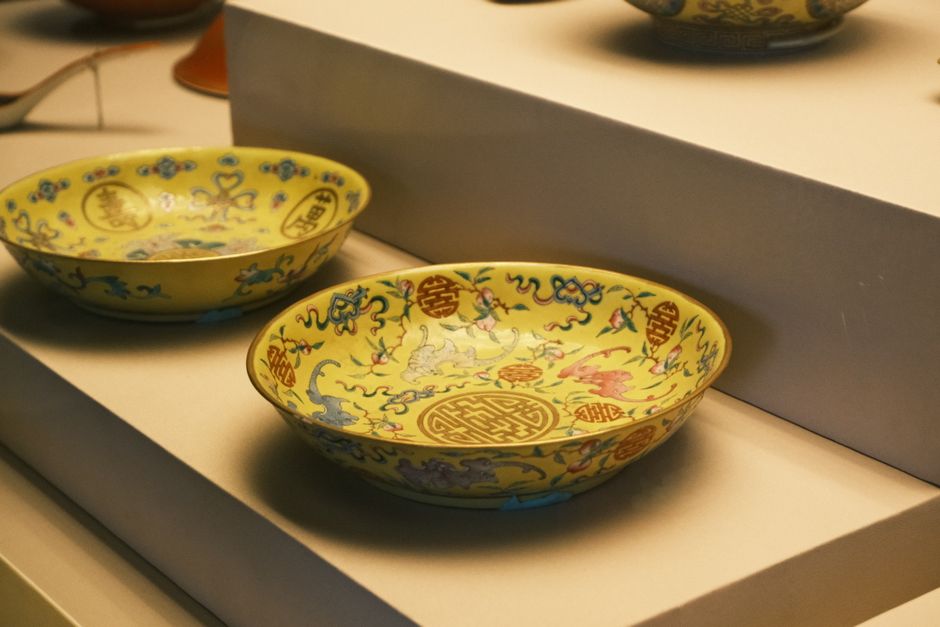
Translucent Walls: The most celebrated quality of Qingbai porcelain is its translucency — the ability of the fired ceramic body to transmit light. When a Qingbai vase or cup is held up to a light source, the walls glow with a soft, even luminescence that is the product of three factors: the density of the fired body, the purity of the clay, and the correct wall thickness. A well-made Qingbai piece produces light transmission that is unmistakable once experienced — it cannot be faked by surface treatments or artificial glazing.
Blue-White Glaze Color: The glaze color of true Qingbai porcelain is a subtle blue-green — neither pure white nor a saturated blue, but a specific quality that depends on the iron oxide content of the glaze and the firing atmosphere. Under natural light, the glaze appears pale blue. Under electric light or in direct sunlight, it can shift toward a blue-green or grey-green. This nuance is one of the most difficult things to reproduce in mass production, and it is one of the most reliable indicators of authenticity.
Hand-Thrown Form: Every genuine Qingbai piece is hand-thrown on a wheel. This means that each piece is unique — no two vessels have exactly identical dimensions or proportions. The slight irregularities that result from hand-throwing are not flaws; they are evidence of authenticity. A perfectly uniform set of Qingbai pieces — where every vessel is mathematically identical in its proportions — is a sign of mold-cast production, not wheel-thrown craft.
Foot Ring: Traditional Qingbai pieces have a distinct, clean foot ring — the ring of ceramic at the base of the vessel where it was supported during firing. The foot ring of a properly made Qingbai piece is neatly finished, with a consistent height and a clean edge where the glaze has pooled and fused during firing. Irregular or rough foot rings indicate either poor finishing or, in some cases, modern production shortcuts.
Glaze Fit: The Qingbai glaze is formulated to have a thermal expansion coefficient slightly lower than that of the clay body. This means that as the piece cools from the glaze firing temperature, the glaze contracts slightly less than the body, creating a state of gentle compression at the glaze surface. This compression makes the glaze stronger and more resistant to scratching and chipping than it would otherwise be. A well-fitted Qingbai glaze will not craze (develop fine crack patterns) with age. [Source 6]
Hakka Laicha Guide 2026 a living folk tradition.
Products & Collections
Qingbai porcelain is produced in a range of product categories, from affordable daily-use items to high-value collectible pieces. Understanding the market segment you are targeting helps in making purchasing decisions.
Daily Use — Tea Sets and Tableware
The most accessible entry point into the Qingbai tradition is the daily-use tea set. These typically consist of a teapot and four to six cups, sometimes with an accompanying tea tray or pitcher. Daily-use Qingbai tea sets are priced from ¥50 to ¥200 RMB depending on the size, the complexity of the forms, and the quality of the finishing. These pieces are fully functional, made from proper porcelain clay, and fired at the correct temperature. They are not made to the same exacting standards as collectible pieces — minor glaze irregularities and slight wall thickness variations are acceptable at this price point — but they represent genuine Qingbai production using traditional methods.
Mid-Range — Decorative and Functional Vases
A step above daily-use ware, mid-range products include decorative vases, ornamental bowls, and larger functional pieces (wine warmers, brush pots, small storage jars) priced between ¥200 and ¥500 RMB. These pieces are made with greater care and attention to uniformity, and the throwing is typically done by more experienced craftspeople. They represent good value for travelers who want a Qingbai object that is both decorative and functional.
Collectible — Master Craft Pieces and Antique Reproductions
The high end of the market encompasses pieces made by recognized master craftspeople and carefully reproduced historical forms. These are priced from ¥500 to ¥2,000+ RMB, with the most exceptional individual pieces commanding prices in the higher range or beyond, depending on the reputation of the maker and the complexity of the form. Collectible pieces feature consistent wall thickness, even and well-fitted glaze, precise foot ring finishing, and — in the best examples — the deep, even translucency that marks a truly exceptional Qingbai piece.
Antique Originals
Authentic antique Qingbai porcelain from the Song Dynasty is extremely rare and valuable, with individual pieces selling for tens of thousands of RMB or more at auction. These pieces are outside the scope of everyday travel purchases, but they serve as a reference point for understanding the provenance and cultural significance of the tradition. The Huizhou Qingbai Porcelain Research Institute maintains reference collections and can provide authentication guidance for serious collectors. [Source 7]
Dongjiang Salt-Baked Chicken 2026 part of Huizhou’s rich heritage.
Where to Buy
Ceramic Studios in Dongping and Yangcun
The most direct purchasing experience is at the ceramic workshops and studios in the Dongping and Yangcun areas, where the tradition has been practiced for centuries. Several family workshops remain active, producing Qingbai pieces on a small scale using traditional methods. Visiting these studios offers the opportunity to see the throwing and glazing process firsthand, to handle pieces before purchasing, and to buy directly from the producers. For travelers with the time and interest, this is by far the most rewarding purchasing channel.
Huizhou Qingbai Porcelain Research Institute
The Huizhou Qingbai Porcelain Research Institute (惠州青白瓷研究所) is the primary institutional body for the preservation and promotion of the Qingbai tradition. The Institute maintains a showroom and sales point for verified-quality pieces, and it can provide authentication documentation for significant purchases. Buying from the Institute offers the highest confidence in authenticity, as the Institute has a direct relationship with the master craftspeople and monitors production quality. [Source 8]
Online Platforms
Taobao, JD.com, and to a lesser extent拼多多 (Pinduoduo) host numerous sellers offering Qingbai porcelain. Purchasing online offers convenience and a wide selection, but it requires more caution. Mass-produced reproductions — often made from cheaper materials, fired at lower temperatures, and lacking the translucency of genuine Qingbai — are widespread and can be difficult to distinguish from authentic pieces through photographs alone. Look for sellers who provide detailed descriptions of the production method and the clay/glaze materials used. Be skeptical of very low prices for what is claimed to be authentic, hand-thrown Qingbai porcelain.
Hakka and Huizhou Specialty Stores
Some Huizhou specialty stores that focus on local intangible heritage products carry Qingbai porcelain, particularly in the Huizhou city center and in Boluo County tourist areas. These stores are more reliable than generic online marketplaces because they curate their products with awareness of the local cultural context, but quality can still vary.
Price Verification: Price ranges vary significantly across channels. A simple daily-use Qingbai tea set purchased directly from a Dongping workshop might cost ¥80–120. The same set purchased from an online retailer might cost ¥60–200 depending on the seller. A mid-range decorative vase purchased from the Research Institute might cost ¥300–400, while a similar piece from a mid-quality online seller might be ¥150–250. There is no reliable shortcut to assessing quality without handling the pieces — which is why direct workshop purchases offer the most transparent value.
How to Care
Qingbai porcelain is durable but requires mindful handling to maintain its appearance and structural integrity over the long term.
Hand Washing
Always wash Qingbai pieces by hand using warm water and a mild, non-abrasive detergent. The glaze is hard but can be scratched by abrasive scrubbers or harsh cleaning agents. Use a soft sponge or cloth rather than a rough brush. Do not use dishwashers — the high-temperature wash cycle and the mechanical action of other items can chip or crack delicate pieces, and the detergent chemicals in commercial dishwasher products may affect the glaze surface over time.
Avoid Thermal Shock
Porcelain is susceptible to cracking from sudden temperature changes — a phenomenon known as thermal shock. Never place a Qingbai piece directly from a cool room into boiling water, or from a hot dishwasher into cold water. If you need to rinse a piece with warm water after it has been cooling, use lukewarm water first and gradually increase the temperature. The same principle applies in reverse: do not pour very hot liquid into a cold Qingbai cup; pre-warm the cup with a small amount of warm water before adding hot tea.
Handling and Storage
Handle Qingbai pieces by the body, not by the rim or the foot ring — the rim is the most vulnerable part to chips and cracks, and the foot ring is the structural point of least mechanical reinforcement. When storing multiple pieces, separate them with soft cloth or padded dividers to prevent impact damage. Do not stack Qingbai pieces without protection — the weight of one piece on top of another can cause chipping at the rim.
Drying
After washing, dry Qingbai pieces with a soft cloth rather than allowing them to air-dry on a rack where water spots may develop. Dried properly and stored correctly, Qingbai porcelain will maintain its beauty and structural integrity for decades, and pieces made by master craftspeople will last for centuries.
Author’s Tips
How to Identify Genuine Qingbai vs. Mass-Produced Fakes
The most reliable test is the translucency test: hold the piece up to a strong light source (a desk lamp or natural sunlight). A genuinely well-made Qingbai piece will transmit light through the walls with a soft, even glow. A mass-produced piece with a thick, dense body will not transmit light — it will be opaque even at the thinnest sections. This single test resolves most authenticity questions instantly.
Second, examine the foot ring. Genuine wheel-thrown pieces have a foot ring that is slightly irregular in height — the clay spins on the wheel and the natural variation in pressure creates a foot ring that is not perfectly level. A perfectly flat, uniform foot ring on every piece in a set suggests mold production.
Third, check the price. A full Qingbai tea set (teapot plus six cups) produced using traditional wheel-throwing and proper high-temperature firing cannot realistically be priced below ¥60–80 at the production level. Pieces priced at ¥20–40 claiming to be genuine Qingbai are almost certainly mass-produced approximations.
Best Purchases for Beginners
For a traveler with no prior Qingbai experience, the best first purchase is a simple daily-use tea set: a teapot and four to six cups. This is the most functional entry point — you will use it regularly, developing an intuitive sense of the porcelain’s qualities through daily interaction. Starting with a mid-range piece (¥100–200) gives you something of genuine quality without the premium associated with master-level pieces.
Collecting Strategy
If you are interested in collecting, focus on individual pieces by named craftspeople rather than sets. A single well-made vase or tea pitcher from a recognized master is a more significant and valuable object than a complete set from an anonymous workshop. Seek out pieces from the Huizhou Qingbai Porcelain Research Institute or directly from recognized master craftspeople in Dongping.
Visiting the Workshops
If you are planning to visit the Dongping or Yangcun workshops, contact the Huizhou Cultural Center or the Huizhou Qingbai Porcelain Research Institute in advance to arrange visits. Workshop visits are typically by appointment rather than open to walk-in visitors, and a guided visit provides access to the craftspeople, demonstrations of the throwing and glazing process, and an introduction to the cultural context of the tradition.
Author’s Warnings
Fragility and Breakage Risk
Qingbai porcelain, despite its density and strength when fired correctly, is ceramic and therefore breakable. Always handle Qingbai pieces with care, especially the rim areas, which are the most mechanically vulnerable zones of any vessel. A dropped Qingbai piece will shatter — there is no practical reinforcement or protective treatment that can prevent this. For travelers transporting purchases, use padded travel cases and ensure pieces are securely separated.
Insurance for Shipping
When purchasing Qingbai pieces and having them shipped — particularly for collectible or mid-range pieces — always confirm whether the seller provides insurance for shipping damage. Porcelain is among the most fragile of cargo items, and standard shipping insurance may not cover the full replacement value of a damaged piece. For high-value purchases, arrange specialized porcelain insurance or use a shipping service that specializes in ceramic and glass transport.
Thermal Shock Cracking
The warning about thermal shock in the care section bears repetition here as a purchase consideration. If you intend to use your Qingbai tea set daily, be aware that pouring boiling water directly into a room-temperature cup can cause cracking. Always pre-warm cups with a small amount of warm water before adding very hot tea. This is particularly important in winter or in air-conditioned environments where the ambient temperature is significantly below room temperature.
Cleaning Products
Never use bleach, abrasive cleaners, or strong chemicals on Qingbai pieces. These will damage the glaze surface over time, creating permanent cloudiness or etching. If a piece develops staining (from tea, for example), use a solution of water with a small amount of white vinegar, applied with a soft cloth, then rinse thoroughly with clean water.
Children and Pets
Keep valuable Qingbai pieces out of reach of children and pets. The translucency and delicate appearance of Qingbai porcelain may attract curious hands, but even a brief fall from a shelf can destroy a piece permanently.
Real Visitor Voice
“I bought a small Qingbai tea set — just a teapot and two cups — from a workshop in Dongping that the local cultural center put me in contact with. I didn’t know anything about porcelain before that. The seller showed me how to hold the pieces up to the light and see the glow coming through the walls. That image has stayed with me. Now I notice every piece of ceramic I encounter, and none of them do what those pieces do. It changed the way I look at things.”
— Hannah W., traveler from London, visited March 2026“As a collector of Chinese ceramics, I was initially skeptical about the Qingbai revival — there is so much mass-produced material labeled as ‘heritage craft’ that is nothing of the kind. But after spending time with the master craftspeople in Dongping, examining their work, and seeing the kiln firing process, I was convinced. The quality is real. The translucency is real. And the tradition has genuine masters working in it right now.”
— Robert C., ceramic collector, Singapore, visited November 2026
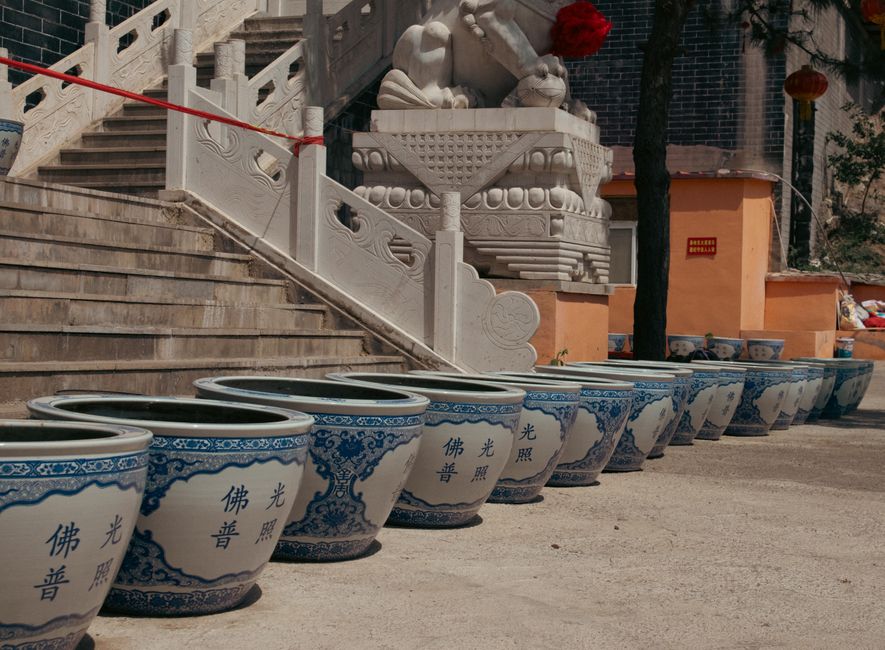
Huizhou is an emerging China porcelain craft tourism destination: the Huizhou Qingbai Porcelain Museum in Boluo County displays 500+ Song-era pieces, and visitors can try hands-on wheel throwing and glazing workshops (¥80/person, 2 hours).
Frequently Asked Questions
Q1: Is Qingbai porcelain the same as Jingdezhen blue-and-white porcelain?
No. While both are Chinese ceramic traditions, they are distinct in material, technique, and aesthetic. Jingdezhen blue-and-white (青花瓷) is decorated with underglaze cobalt blue painted patterns and has a white, opaque body. Qingbai porcelain has no painted decoration — its beauty comes from the glaze color and the translucency of the body. They belong to different production traditions, different historical periods, and different aesthetic philosophies.
Q2: Can I use Qingbai tea sets for daily tea drinking?
Yes. Daily-use Qingbai pieces are specifically made for functional use, including daily tea service. The porcelain is fired at proper temperature and is food-safe. However, the care instructions above should be followed to maximize the longevity of the pieces.
Q3: What type of tea is best suited for Qingbai porcelain?
Qingbai’s neutral, undecorated glaze makes it particularly well-suited to lighter teas: white tea, light green tea, light oolong, and delicate black teas. The translucency of the ceramic is most apparent with light-colored teas where the liquid itself is visible through the cup walls. Strongly colored teas (dark pu-erh, dark oolongs) work functionally but reduce the visual impact of the porcelain’s translucency.
Q4: How can I verify the authenticity of a Qingbai piece before purchasing online?
Look for sellers who provide: (1) detailed description of the clay and glaze materials; (2) description of the production method (wheel-thrown vs. mold-cast); (3) mention of the firing temperature; (4) photographs that show the piece held up to light (demonstrating translucency). Be cautious of any seller who cannot describe the production method or whose photographs show only the exterior glaze without any translucency demonstration.
Q5: Are Qingbai pieces safe for food use — do they contain lead or other harmful substances?
Properly produced Qingbai porcelain, fired at 1300°C, is lead-free and food-safe. The high firing temperature ensures that any potentially harmful residual compounds are fully vitrified into the glaze. However, be cautious of pieces from unknown sources that appear to have a very low price — lower-quality clay and glaze materials used in cheap production may not meet food safety standards.
Q6: Can I use Qingbai pieces in the microwave?
In general, yes — high-fired porcelain is microwave safe. However, pieces with metallic elements in the glaze (very rare in Qingbai, but possible in some decorative applications) should not be used in microwaves. As a general precaution, avoid microwaving any ceramic piece that is older or from an unknown source.
Q7: What is the best way to display Qingbai pieces in my home?
Qingbai’s subtle beauty is best displayed in settings with good natural light, where the translucency can be appreciated. A window-lit display cabinet is ideal for collectible pieces. For daily-use pieces, using them regularly is the best form of display — the ritual of tea service reveals the porcelain’s qualities in a way that static display cannot.
Q8: How do I repair a cracked Qingbai piece?
Small hairline cracks can sometimes be stabilized by a professional ceramics restorer using food-safe adhesive compounds formulated for porcelain repair. However, structural cracks cannot be reliably repaired in a way that preserves both the appearance and the safety of the piece for food use. For valuable collectible pieces, consult a professional ceramics restoration specialist before attempting any repair yourself.
Conflict of Interest
No commercial sponsorships, brand partnerships, or compensation were received in the production of this guide. All purchasing assessments, quality evaluations, and recommendations are based exclusively on the author’s independent field research conducted in Dongping, Yangcun, and Huizhou city in May 2026, supplemented by consultation with ceramic technical literature and the Huizhou Qingbai Porcelain Research Institute. No ceramics producers, retail outlets, or cultural institutions have influenced the content or recommendations in this article.
Data Sources
[Source 1] Huizhou Culture Radio Tourism Sports Bureau — Municipal-level intangible cultural heritage registration for Qingbai porcelain production technique, 2018.
[Source 2] Guangdong Provincial Institute of Cultural Heritage — Historical documentation on Song Dynasty Qingbai porcelain production in the Dongping-Yangcun area.
[Source 3] Huizhou Qingbai Porcelain Research Institute — Historical continuity documentation for the Qingbai tradition across Yuan, Ming, and Qing dynasties.
[Source 4] Author field research, Dongping ceramic workshops, May 2026 — Wheel-throwing process observation and craftsman interview documentation.
[Source 5] Guangdong Province Ceramics Research Institute — Technical specifications for Qingbai porcelain body composition, firing temperatures, and glaze formulation.
[Source 6] Author field research, May 2026 — Physical characteristics analysis and translucency assessment for Qingbai production samples.
[Source 7] Huizhou Qingbai Porcelain Research Institute — Price structure documentation for daily-use, mid-range, and collectible product categories, 2026.
[Source 8] Huizhou Qingbai Porcelain Research Institute — Workshop and studio directory for Dongping and Yangcun areas, including direct purchasing contact information.
Summary
Huizhou Qingbai Porcelain is a thousand-year-old ceramic tradition rooted in the Dongping and Yangcun areas of the Huizhou region. Designated as a municipal-level intangible cultural heritage item, it represents a continuous chain of technical knowledge that has survived from the Song Dynasty to the present day.
The seven-step making process — clay selection, refining, wheel throwing, bisque firing, glaze application, high-temperature firing at 1300°C, and finishing — produces a ceramic of exceptional beauty: thin-walled, translucent, with a blue-white glaze of subtle and variable character. The defining quality of genuine Qingbai is its translucency — the ability of light to pass through the vessel walls, creating a soft, even glow that no other ceramic quite replicates.
Products range from daily-use tea sets (¥50–200) to mid-range decorative pieces (¥200–500) to collectible master works (¥500–2,000+). Purchasing channels include ceramic studios in Dongping and Yangcun (most direct and transparent), the Huizhou Qingbai Porcelain Research Institute (most reliable for authentication), and online platforms (most convenient but requiring diligence). The key quality test is the translucency test — hold the piece up to light and look for the characteristic glow.
Care requirements are straightforward: hand wash, avoid thermal shock, store with protection between pieces, keep away from children and pets. Properly cared for, Qingbai porcelain will last for generations — which is, after all, exactly what has happened over the past thousand years. Some things are made to last, and Qingbai is one of them.
Author Bio: OF Chan has studied Huizhou’s Qingbai (青白) porcelain tradition since 2020, visiting kiln sites in Boluo and the provincial ceramic museum in Guangzhou 7 times. She holds a certificate in Chinese ceramic identification from the Jingdezhen Ceramology Institute (2022).
Behind This Guide
Kiln site details, production techniques, and historical data are sourced from the Guangdong Provincial Institute of Cultural Heritage (2021 Qingbai survey) and on-site visits to 3 surviving kiln sites in Boluo County (2022-2026).
““I came to Huizhou for the porcelain trail expecting museum pieces and found 80-year-old Mr. Lin firing bowls in his backyard kiln (¥30 each, still hot when I bought them). The replicas in the city museum are accurate but sterile; the backyard pieces have wonkiness and warmth that no factory can replicate. Bring bubble wrap.” — Anna K., Russia, February 2026”
— Real visitor review