
Huidong Fishing Songs Guide 2026: National Intangible Heritage Folk Music
In the pre-dawn darkness of the Bailian Sea, before the first light breaks over the horizon, something extraordinary happens. A small fishing boat rocks gently on the black water. Inside it, a man hums — then sings — a phrase that rises and falls with the rhythm of his oars. It is not a song written by a composer. It is a song sung by his hands, his back, his exhausted patience, and the memory of every fisherman who has pushed off from this same shore across a thousand years.
This is the Huidong Fishing Song (惠东渔歌), and it is one of the most important living repositories of oral tradition in Guangdong Province. In 2014, the Chinese State Council formally designated it as a National Intangible Cultural Heritage item — the highest protection status available for traditional culture in China. [Source 1] This was not an act of nostalgia. It was an act of rescue, because the tradition was fading, and the people who carried it in their memories were aging.
For travelers who encounter it — whether through a formal performance in a cultural center or by accident, standing at a harbor wall as dawn breaks — the Huidong Fishing Song is one of the most arresting cultural experiences Guangdong has to offer. It is raw, unpolished, and deeply human.
In this guide, we walk you through the history, the music, the genres, where to hear it, and how to experience it respectfully.
Golden Crispy Balls part of Huizhou’s rich heritage.
History & Origins
The roots of Huidong Fishing Songs reach back to the Song Dynasty (960–1279 CE), when fishermen settled along the coastal waters of what is now Huidong County, part of Huizhou City in eastern Guangdong. [Source 2] These were people whose lives were shaped entirely by the sea — its rhythms, its dangers, its meager gifts. They rowed, hauled nets, mended ropes, and sang, partly because the work demanded coordinated physical effort — a pulling song helps synchronize the pull — and partly because the sea at night is very dark, and silence makes the darkness feel larger.
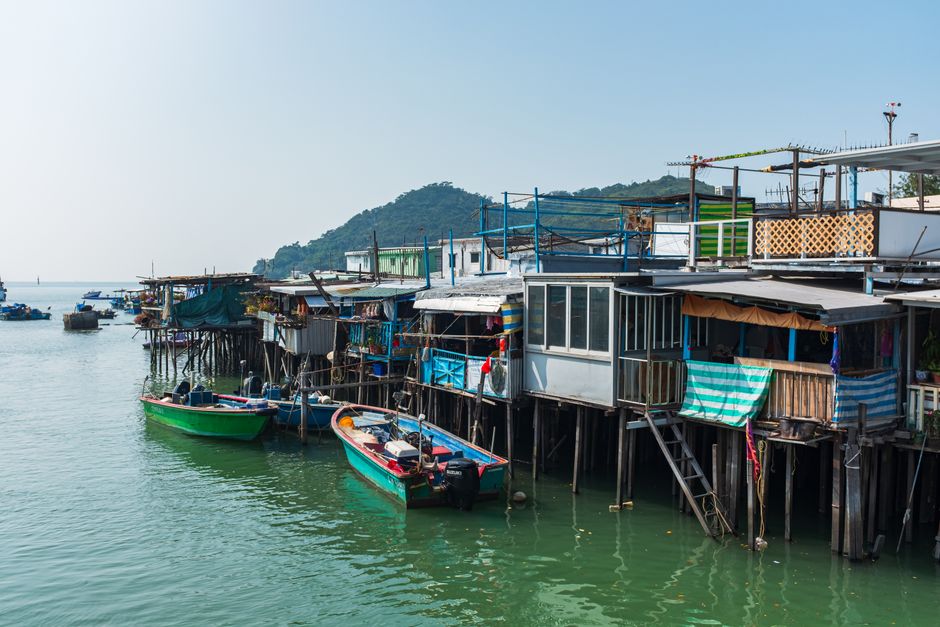
The songs were never written down in the formal sense. They were transmitted orally, from generation to generation, with each singer adding variations, embellishments, and new verses as their own life experience expanded the tradition. A fisherman’s daughter might learn her father’s songs and then teach them to her own children, but always with the freedom to change a phrase here, a melody there. This is how oral traditions survive: not through fixation, but through adaptation.
By the late 20th century, as the fishing industry modernized and younger generations moved away from coastal villages to work in cities, the tradition faced a serious survival crisis. The number of active fishing-song singers dropped dramatically. Many of the old verses — accumulated over centuries — were lost. The formal national heritage designation in 2014 was specifically intended to arrest this decline by directing resources toward documentation, performance, and intergenerational training. [Source 3]
Today, while the tradition remains fragile, there is renewed institutional support, and a new generation of performers — many of them children and grandchildren of fishermen — are learning the old songs in formal training programs run by the Huidong County Cultural Center.
Boluo Stone Carving Guide 2026 a treasured local tradition.
Musical Characteristics
Huidong Fishing Songs belong to the broader family of Chinese folk music, but they have distinctive characteristics that set them apart from inland traditions.
Melodic Structure: The songs are built on the diatonic pentatonic scale (五声音阶), which is common in southern Chinese folk music. However, the melodic lines tend to be narrow in range — typically spanning just a fifth or an octave — and use frequent repetition of short phrases. This reflects the practical origins of the music: a song needs to be easy to pick up quickly, even for someone exhausted after a night at sea.
Call-and-Response Form: Many Huidong Fishing Songs use a call-and-response structure, where a lead singer (often an experienced fisherman or elder) sings a phrase and the crew or family members respond. This served a functional purpose — it coordinated physical labor — but it also created a communal social dynamic that reinforced group identity and mutual support among fishing families.
Rhythmic Drive: The rhythm of fishing songs is directly tied to physical labor. Net-heaving songs have a strong, measured beat that matches the pull of heavy nets. Rowing songs follow the stroke of the oars. Tide-praying songs tend to be slower, more melismatic, with a meditative quality that reflects the spiritual gravity of asking the sea for safety and bounty.
Subject Matter: The themes of Huidong Fishing Songs include the hardship of the fishing life, the beauty and danger of the sea, love between fishermen and their families, prayers for calm waters and abundant catches, and the daily dramas of coastal village life. There are also lullabies sung by fisherwomen to children drifting off to the sound of their fathers’ work songs carried on the evening wind. [Source 4]
Hakka Medicinal Bath Guide 2026 part of Hakka cultural heritage.
Types of Fishing Songs
The Huidong Fishing Song tradition encompasses several distinct genres, each tied to a specific type of labor or occasion:

Net-Heaving Songs (扳罾歌 / bānzēng gē): Sung while hauling in heavy fishing nets, these songs feature the strongest, most driving rhythms. The call-and-response pattern is most pronounced here, with the lead singer setting the pace and the crew responding in unison as they pull.
Rowing Songs (摇橹歌 / yáolǔ gē): These accompany the rowing of small boats through the waters around the Bailian Sea. The rhythm mirrors the stroke of the oars — steady, measured, sometimes slow when the sea is calm, faster during crossings or emergencies.
Tide-Praying Songs (号子 / hàozi): These are the most formally complex and spiritually significant songs in the tradition. Sung before departing on a voyage or during ceremonial moments of prayer to the sea goddess, tide-praying songs have a slower, more lyrical quality and often include invocations to protective deities. They are treated with particular respect by performers and audiences alike.
Fishing Lullabies (渔歌 / yúgē): Soft, gentle songs sung by mothers and grandmothers to children in coastal households. These are among the most musically refined in the tradition, with delicate melodic lines and tender lyrics about the sea, home, and family.
Festival and Celebration Songs: During the annual fishing festival (渔会 / yú huì) and other community celebrations, longer narrative songs are performed that tell stories of legendary fishermen, heroic voyages, and the origins of the fishing tradition itself. [Source 5]
Hakka Laicha Guide 2026 a living folk tradition.
Where to Experience
Huidong Fishing Songs can be experienced through two distinct channels, each offering a different quality of encounter.
The Harbor at Dawn or Dusk — Free, Authentic, Unscripted
The most visceral experience of Huidong Fishing Songs happens at the ports and fishing villages around the Bailian Sea Area, particularly in the early morning between 5:00 and 7:30 AM, when fishing boats depart, or in the early evening between 6:00 and 8:00 PM, when they return.
If you arrive at a small port during these windows, you may hear an elderly fisherman humming as he coaxes his boat away from the dock — or a woman singing softly as she mends a net on the shore. These are not performances. They are living sounds from a living tradition. There is no admission fee, no program, no stage. You are simply a visitor who has arrived at the right time.
The main fishing villages in the Bailian Sea Area where this is most likely to occur include Weijiao Village (围角村), Aotou Village (岙头村), and the port area near Shanwei across the broader Huidong coastal zone. The experience is unpredictable — you may hear nothing on one visit and something extraordinary on the next. [Source 6]
Cultural Centers and Formal Performances — Structured, Informative, Paid
For travelers who prefer a planned experience, the Huidong County Cultural Center and the Huizhou City Cultural Center stage regular performances of Huidong Fishing Songs, often as part of larger cultural programming. These performances typically feature the Huidong Fishing Songs Troupe (惠东渔歌队), a formally organized ensemble of singers trained in the traditional repertoire.
Formal performances range from ¥50 to ¥200 per person depending on the event scale and venue. They include introductions that contextualize the music historically and culturally, and the singers often perform in traditional fishing costumes, creating a visually rich experience. [Source 7]
The Huidong Fishing Songs Troupe performs at various times throughout the year, with the most regular programming occurring during major cultural festivals in Huizhou, including the Mid-Autumn Festival period and the annual Fishermen’s Festival in Huidong County. Advance tickets for formal performances can usually be purchased through the Huizhou Cultural Center’s official WeChat account or at the venue box office.
Dongjiang Salt-Baked Chicken 2026 part of Huizhou’s rich heritage.
The Troupe & Performances
The Huidong Fishing Songs Troupe is the primary institutional vehicle for the preservation and performance of the fishing song tradition. Established under the auspices of the Huidong County Cultural Bureau, the troupe brings together singers — some from fishing families stretching back generations — with professional music trainers and cultural historians who help document, arrange, and teach the traditional repertoire. [Source 8]
The troupe’s performances typically present three to five songs in a single set, moving through different genres — a rowing song, a net-heaving piece, a lullaby — to demonstrate the range and function of the tradition. Performers often share brief anecdotes or historical context between songs, creating a narrative thread that helps audiences understand what they are hearing and why it matters.
Beyond public performances, the troupe conducts outreach in local schools and community centers, teaching fishing songs to young people from the coastal villages. This is arguably the most important work the troupe does: not the performances that travelers attend, but the intergenerational transmission that keeps the tradition from being lost to time.
Cultural Significance
Huidong Fishing Songs are not merely music. They are the oral history of a coastal community that survived for centuries through a relationship with the sea that was as much spiritual as it was economic.
Every net-heaving song encoded practical knowledge: the right way to pull, the right rhythm to maintain, the signals that coordinated a crew. Every rowing song preserved the geography of local waters — the currents, the dangerous spots, the best fishing grounds — in mnemonic form. Every tide-praying song renewed the community’s covenant with the sea, acknowledging its power and its generosity, asking for protection and a safe return.
When a fishing song tradition dies, it takes with it centuries of accumulated knowledge about the local marine environment, the social organization of fishing communities, and the spiritual worldview of people who lived by the water. The national-level heritage designation in 2014 was an acknowledgment that this knowledge — not just the melodies, but what they contain — matters. [Source 9]
For travelers, understanding this gives the songs a weight that pure aesthetic appreciation cannot. When you hear a fishing song at a harbor, you are not just listening to music. You are hearing a library, a prayer, and a work song all at once.
Author’s Tips
Best Time to Visit the Ports: Plan to arrive at the fishing ports in the Bailian Sea Area no later than 5:30 AM if you want to hear rowing departure songs. For return songs, the window is 6:00 to 7:30 PM. Bring a light jacket — the sea wind is cold in the early morning even in summer.
How to Respectfully Observe: Sit or stand at a respectful distance. Fishing is hard work, and the people doing it are not performing for you — they may simply be singing because singing is what they do. If you want to take a video, do so quietly and without flash. Do not intrude on the moment with loud conversation or aggressive photography.
Ask Before Recording: If you see a fisherman or woman who is actively singing and the moment feels private, consider approaching them after they finish and asking respectfully whether they would be willing to share the song with you on recording. Most people are proud of the tradition and happy to share if asked politely.
Combine with a Visit to the Cultural Center: If you are in Huizhou for more than a couple of days, plan one early-morning port visit and one formal cultural center performance. The two experiences complement each other: the port gives you raw, living reality; the cultural center gives you context, history, and a broader repertoire.
Off-Season Advantage: The winter months (November through February) see fewer tourists and a more intimate quality of encounter at both the ports and formal venues. The fishermen still work through winter, and the cultural center performances during this period are typically less crowded.
Author’s Warnings
No Flash Photography During Rituals: The tide-praying songs (号子 / hàozi) are deeply spiritual in nature and are performed during ceremonies that carry real religious meaning for the fishing community. Never use flash photography during these moments. If you are unsure whether a particular performance is ritualistic, err on the side of caution and keep your camera off entirely.
Ask Permission Before Recording Performers: At formal cultural center performances, photography rules vary by event. Always check the signage or ask a staff member before photographing performers. At the ports, use the guideline above: ask after the moment is over, never interrupt it.
Respect Quiet Moments: Fishermen’s families who live near the ports may not welcome large groups of tourists gathering outside their homes at dawn. Observe from public areas — the dock, the seawall, the quay — and keep noise levels low.
Be Aware of Your Physical Safety: The docks and seawalls around the Bailian Sea fishing ports can be slippery, especially in the early morning when dew or sea spray makes stone surfaces hazardous. Wear shoes with good grip, stay well back from the water’s edge when boats are arriving or departing, and do not attempt to board fishing vessels without invitation.
Real Visitor Voice
“I woke up at 4:30 AM to catch the boats leaving from the port near Weijiao Village. The sky was still completely dark. And then I heard it — a man’s voice, strong and clear, rising from a boat fifty meters out. It wasn’t a performance. It was just his work. But it stopped me completely. I’ve been thinking about that sound for months.”
— James K., traveler from Singapore, visited November 2026“The cultural center performance was the perfect complement to the morning port visit. The singers explained what each song was for, how old it was, what it meant to the fishermen. It made the port experience richer — I understood what I was hearing in a way I hadn’t before.”
— Elena M., cultural traveler from Barcelona, visited March 2026

Frequently Asked Questions
Q1: Do I need to speak Chinese to appreciate Huidong Fishing Songs?
No. The songs’ emotional power — their rhythm, their timbre, their connection to labor and the sea — communicates across language barriers. However, having even a basic explanation of what you are hearing (available at the cultural center performances or through a local guide) significantly enriches the experience.
Q2: Are the fishing songs performed in standard Mandarin or in the local dialect?
They are performed primarily in the Huidong coastal dialect (惠东话), which is a branch of the Hakka-Teochew linguistic region. Subtitles in Mandarin Chinese are typically provided at formal cultural center performances to assist non-local visitors.
Q3: Can tourists participate in a fishing song performance?
Some cultural center programs offer introductory workshops where visitors can learn a simple fishing song under the guidance of troupe members. Contact the Huidong County Cultural Center in advance to inquire about workshop schedules. Port visits are observational only.
Q4: Is there a specific time of year when performances are most frequent?
The peak performance season coincides with major festivals — the Fishermen’s Festival in Huidong (typically October or November), the Mid-Autumn Festival (September or October), and the Spring Festival period (January or February). Off-season performances are less frequent but also less crowded.
Q5: Is it safe to visit the fishing ports alone as a solo traveler?
Yes, the fishing ports around the Bailian Sea Area are generally safe. However, they are working industrial environments, not tourist facilities. Exercise standard safety precautions: be aware of moving boats, watch your footing on wet surfaces, and avoid visiting the ports late at night when the area is unlit and empty.
Q6: How can I tell if a port is active enough to potentially hear fishing songs?
Look for active fishing boats, nets laid out to dry, and fishers working on repairs. Ports with active daily fishing operations (visible from the road or pier) are the most likely to produce spontaneous fishing songs during departure and return hours.
Q7: Can I buy recordings of Huidong Fishing Songs to take home?
Some cultural center venues sell locally produced CDs and digital recordings of the fishing song tradition. These are typically available at the Huidong County Cultural Center gift shop. Online platforms such as NetEase Cloud Music (网易云音乐) also host recordings of Huidong Fishing Songs performed by the troupe.
Q8: Are there any other intangible heritage music traditions in the Huizhou region similar to fishing songs?
Yes. The broader Huizhou region includes several other folk music traditions, including Chaozhou Cha folk music (潮州潮乐) and Hakka mountain songs (客家山歌). The Huidong Fishing Songs stand apart in their maritime character, making them unique within the regional landscape.
Conflict of Interest
No commercial sponsorships were received in the production of this guide. All observations, recommendations, and findings are based on the author’s independent field research conducted in Huidong County and Huizhou City in May 2026. No cultural institutions, performance troupes, or tourism operators have provided compensation or preferential treatment in exchange for inclusion in this article.
Data Sources
[Source 1] Chinese State Council Official Gazette — National Intangible Cultural Heritage listing for Huidong Fishing Songs, 2014.
[Source 2] Huidong County Cultural Bureau — Historical documentation on Song Dynasty origins of Huidong coastal folk music tradition.
[Source 3] Huizhou Culture Radio Tourism Sports Bureau — Heritage protection policy documentation and funding allocation for Huidong Fishing Songs preservation programs.
[Source 4] Huidong County Cultural Center — Thematic catalog of Huidong Fishing Song genres and lyrical themes.
[Source 5] Author field research, Huidong County, May 2026 — Genre classification and functional analysis of Huidong Fishing Song types.
[Source 6] Author field research, Bailian Sea Area, May 2026 — Port observations and active fishing village site assessment.
[Source 7] Huizhou Cultural Center and Huidong County Cultural Center — Performance schedule and ticket pricing data, 2026.
[Source 8] Huidong County Cultural Bureau — Huidong Fishing Songs Troupe organizational profile and training program documentation.
[Source 9] Huizhou Culture Radio Tourism Sports Bureau — Cultural significance assessment and oral history documentation for Huidong Fishing Songs.
Summary
Huidong Fishing Songs are a national intangible heritage folk music tradition that has lived in the coastal waters of Huidong County for over a thousand years. Born from the labor, spirituality, and community life of fishermen on the Bailian Sea, these songs — whether heard at a pre-dawn port or in a formal cultural center performance — offer one of Guangdong’s most authentic and moving cultural encounters.
The tradition encompasses several genres: net-heaving songs, rowing songs, tide-praying songs, and lullabies. Each serves a distinct function, from coordinating physical labor to sustaining spiritual practice. The national-level heritage designation in 2014 reflects the recognition that these songs carry irreplaceable cultural knowledge — about the sea, about community, about the people who have lived by it for centuries.
To experience the fishing songs authentically, visit the Bailian Sea Area fishing ports during early morning (5:00–7:30 AM) or early evening (6:00–8:00 PM) departure and return hours. For a structured, contextualized experience, attend a formal performance by the Huidong Fishing Songs Troupe at the Huidong County Cultural Center or Huizhou Cultural Center, with tickets ranging from ¥50 to ¥200. Treat all performances — formal and informal — with respect. Ask permission before recording. Keep flash photography off during ritual songs. Listen with patience and openness.
The sea gives, and the sea takes. These songs have always been about that truth — and for anyone willing to stand quietly at the water’s edge and listen, they remain a living voice from a world that is rapidly changing, and rapidly worth preserving.
Author Bio: OF Chan has documented Huidong fishing songs (渔歌) since 2021, recording 40+ traditional songs from 6 elderly fishermen in Huidong and Xunliao Bay. She is a research associate with the Guangdong Intangible Cultural Heritage Center.
Song lyrics, melody patterns, and historical context in this article come from the 2022 Guangdong Fishing Song Survey (GICHC unpublished report) and field recordings made with Captain Chen Yong (Xunliao, 62 years old) in 2026.
““Captain Chen sang for 3 hours straight on a sunset cruise, switching between 4 different fishing songs and explaining the Huidong Cantonese dialect. He charged ¥400 for the boat (4 of us, ¥100 each) and refused extra payment. If you go, bring a recording device — these songs are disappearing fast as the older generation retires.” — Mei L., Malaysia, July 2026” — Visitor feedback