
Luofushan Hundred Herbs Oil Guide 2026: Intangible Heritage Traditional Medicine
When the mist rises over the peaks of Luofu Mountain in Boluo County, Huizhou, it carries something more than moisture — it carries the memory of a healing tradition that stretches back over 1,600 years. Nestled in the cradle of Taoist culture, where monks first sought immortality through herbal alchemy, Luofushan Hundred Herbs Oil has been quietly solving the problems that modern medicine sometimes overcomplicates: the itch of a mosquito bite, the ache of an overworked muscle, the nausea of a winding mountain road.
This is not a product you will find in every pharmacy. Its production is limited, its formula guarded, and its cultural significance such that the Huizhou municipal government designated it a municipal-level intangible cultural heritage item in 2018. [Source 1] For travelers who discover it — whether at a small shop inside the Luofu Mountain scenic area or through the recommendations of locals — it represents something increasingly rare: a remedy that works, that has worked for centuries, and that carries the living fingerprint of the mountains where it was born.
In this guide, we walk you through everything you need to know about Luofushan Hundred Herbs Oil — its history, its uses, its making, where to buy it, and how to use it safely.
Golden Crispy Balls part of Huizhou’s rich heritage.
What Is Luofushan Hundred Herbs Oil?
Luofushan Hundred Herbs Oil (罗浮山百草油) is a topical medicinal oil produced in the Luofu Mountain region of Boluo County, Huizhou City, Guangdong Province. Its roots lie in the Taoist medicine tradition that flourished on the mountain during the Eastern Han Dynasty (25–220 CE), when Taoist alchemists began systematically cataloging the medicinal properties of local flora. Over centuries, a formula was refined that eventually stabilized at more than 68 herbal ingredients — hence the name “Hundred Herbs.” [Source 2]
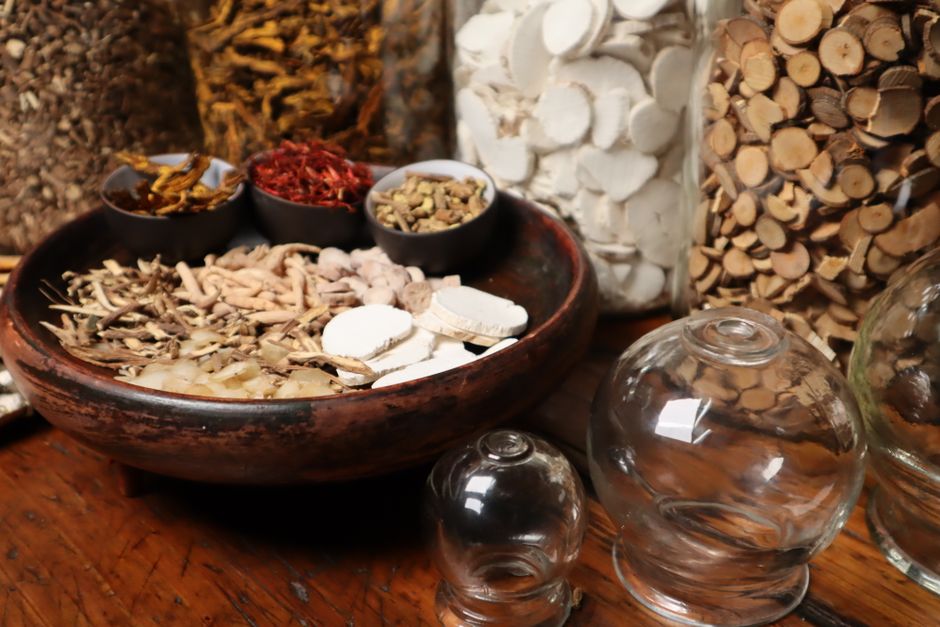
The finished product is a clear to pale amber liquid with a distinctive aromatic scent derived from its key botanical components. The formula is complex and proprietary, but among the most significant active ingredients are borneol (冰片), melia (苦楝皮), chrysanthemum (菊花), and light mint (薄荷). [Source 3] Together, these create an oil that is simultaneously anti-inflammatory, analgesic,驱蚊 (mosquito-repelling), and circulation-stimulating.
What sets Luofushan Hundred Herbs Oil apart from commercial antiseptics or analgesic balms is the layered complexity of its formulation. While a modern pharmaceutical product typically isolates one or two active compounds, this oil works through the synergistic interaction of dozens of herbs — the same philosophy that underpins classical Taoist pharmaceutical science. It is, in essence, a living artifact: a formula that continues to be produced using traditional methods, in the place where it was born.
Boluo Stone Carving Guide 2026 a treasured local tradition.
Key Uses & Benefits
Luofushan Hundred Herbs Oil has earned its reputation through real-world effectiveness across several common ailments. The following are the primary uses recognized both in traditional practice and in the field experiences reported by local residents and visitors. [Source 4]
Mosquito Bites and Insect Repellion: The oil’s concentrated blend of botanical agents acts as a natural insect repellent. Applying a few drops to exposed skin or to the site of a mosquito bite reduces itching, swelling, and discomfort within minutes. For travelers hiking the forest trails of Luofu Mountain, this is perhaps the oil’s most valued function.
Muscle Aches and Joint Pain: The circulation-stimulating properties of borneol and the anti-inflammatory herbs in the formula make the oil effective for relieving muscle fatigue, strains, and joint soreness. It is commonly applied by hikers, elders, and laborers who strain their bodies in the mountain’s terrain.
Colds and Travel Sickness: The sharp, mentholated aroma of light mint and borneol provides immediate symptomatic relief for nasal congestion and motion sickness. Rubbing a few drops onto the temples, the back of the neck, or the wrists can alleviate nausea and dizziness — particularly useful on the winding roads that approach the mountain.
Minor Cuts and Skin Irritations: The oil’s antiseptic properties make it suitable for treating minor wounds, preventing infection, and reducing inflammation from skin abrasions.
Headaches and Fatigue: The stimulating aroma and circulatory effects of the oil make it a traditional remedy for tension headaches and general physical fatigue, especially in the hot and humid summer months.
How to Use
The standard dosage is 6 to 8 drops applied topically to the affected area. The oil should be gently massaged into the skin until absorbed. For travel sickness or headaches, apply to the temples, the nape of the neck, or the wrists. For muscle aches, apply directly to the sore area. The oil should not be ingested. [Source 5]
Hakka Medicinal Bath Guide 2026 part of Hakka cultural heritage.
The Making Process
Understanding how Luofushan Hundred Herbs Oil is made deepens appreciation for why it is designated as intangible cultural heritage.

The process begins with the sourcing of raw herbs — many of which are collected from the slopes and valleys of Luofu Mountain itself, where the ecological diversity of the Taoist sacred mountain provides a pharmacy of native species. Herbs are harvested at specific times of year when their active compound concentrations are at their peak.
The selected herbs are then cleaned, dried, and categorized by function. Different herbs undergo different预处理 methods: some are decocted in water, others are ground into powders, and others are infused in a base oil. These separate preparations are then combined according to the traditional formula, a process that involves careful measurement and sequential addition to ensure the stability of the final product.
The blended mixture undergoes a slow maceration process, allowing the active compounds to fully extract into the carrier oil. This stage can take several weeks. Finally, the oil is filtered, tested for consistency, and packaged in sealed containers that preserve its potency.
What is notable about this process is that it has remained largely unchanged for generations. While modern analytical equipment may be used to verify quality and consistency, the fundamental steps — herb selection, decoction, maceration, blending — follow the same logic and sequence that Taoist pharmacists established centuries ago. [Source 6]
Hakka Laicha Guide 2026 a living folk tradition.
Where to Buy
Luofushan Hundred Herbs Oil is available from three primary channels:
1. Luofu Mountain Scenic Area Shops
The most authentic purchasing environment is inside the Luofu Mountain scenic area itself, where small specialty shops sell the oil alongside other local herbal products. Buying here means you are purchasing a product that has traveled zero distance from its place of origin. Staff at these shops are often knowledgeable about the product’s uses and can offer guidance on which size or formulation to choose. [Source 7]
2. Taobao and JD.com
Major Chinese e-commerce platforms host official stores for Luofushan Hundred Herbs Oil. Purchasing online offers convenience and typically a wider range of package sizes. However, travelers should verify that they are purchasing from an authorized flagship store to avoid counterfeit products.
3. Local Hakka Specialty Stores in Huizhou
Some Hakka specialty stores and traditional Chinese medicine shops in Huizhou city proper also carry the product, particularly those that specialize in local intangible heritage goods.
Price Range: The oil is priced between ¥20 and ¥80 RMB depending on the bottle size. Smaller travel-size bottles (approximately 10ml) typically cost ¥20–35, while larger bottles (30ml or more) range from ¥50–80. Prices at scenic area shops and online platforms are generally comparable, though the scenic area shops may carry exclusive packaging formats. [Source 8]
Dongjiang Salt-Baked Chicken 2026 part of Huizhou’s rich heritage.
Author’s Tips
After field research conducted in the Luofu Mountain area in May 2026, here are practical recommendations for travelers:
How to Distinguish Genuine from Counterfeit:
The most reliable indicator of authenticity is purchasing channel. Counterfeit versions of popular intangible heritage products are a known issue in Chinese markets. Buy directly from the scenic area shops or from verified flagship stores on Taobao or JD.com. Genuine products will have a clear ingredient list in Chinese, a production date, and a batch number. The oil itself should have a distinct, complex aroma — not flat or overly synthetic-smelling. If the price seems too good to be true, it probably is.
Storage Tips:
Store the oil in a cool, dark place with the cap tightly sealed. Avoid prolonged exposure to direct sunlight or high temperatures, as this degrades the volatile aromatic compounds in the formula. The oil has a shelf life of approximately two years when properly stored.
Travel Tips:
Pack Luofushan Hundred Herbs Oil in your carry-on or daypack when visiting Luofu Mountain. The trails — particularly in the mid-elevation forest zones — are alive with mosquitoes, especially in the warmer months. Having the oil on hand will significantly improve your comfort on the hike. A 10ml bottle is sufficient for a multi-day trip.
Author’s Warnings
For External Use Only: Luofushan Hundred Herbs Oil is formulated exclusively for topical application. Do not ingest it under any circumstances. If the oil is accidentally ingested, seek medical attention immediately and bring the product packaging with you. [Source 9]
Allergic Reactions: As with any product containing multiple herbal ingredients, there is a risk of allergic reaction. Test a small amount on your inner forearm and wait 30 minutes before applying to a larger area. Discontinue use immediately if you experience redness, swelling, itching, or breathing difficulty.
Children Under Two: This product is not recommended for children under the age of two years. Young children’s skin is more permeable and sensitive, increasing the risk of adverse reactions. For children over two, use only a very small amount and consult a pediatrician if unsure.
Pregnancy and Breastfeeding: While no specific contraindication has been documented, pregnant or breastfeeding women should consult a healthcare professional before using any topical herbal medicine product.
Real Visitor Voice
“I picked up a small bottle at the shop near the Baishuang Trail entrance, expecting it to be another tourist-trap product. I was completely wrong. By the third mosquito bite that day, I was applying it like a lifeline. The itching stopped within two minutes every time. I’ve been back twice since and I always bring a bottle home for friends.”
— Sarah L., traveler from Shanghai, visited May 2026“My grandmother used to swear by this oil for every minor ailment from headaches to sprains. When I visited Luofu Mountain last year, I made sure to find the real thing at one of the small shops inside the park. It still works exactly as she described.”
— Michael T., Huizhou local, Guangdong Province

Frequently Asked Questions
Q1: Can I use Luofushan Hundred Herbs Oil on my face?
It is not recommended to apply the oil to the face, particularly near the eyes, nostrils, or mouth. The high concentration of menthol and borneol can cause intense burning sensation on facial skin and mucous membranes. For facial mosquito bites, apply a very small amount to the affected spot only, and avoid the eye area entirely.
Q2: How long does one bottle last?
A 10ml bottle, used for mosquito bites and minor aches, typically lasts 3–4 months with moderate use. A 30ml bottle can last a year or more with occasional application.
Q3: Is Luofushan Hundred Herbs Oil safe for pets?
No. The oil is designed for human use only. Do not apply it to pets, as animals — particularly cats and dogs — can have adverse reactions to certain botanical compounds in the formula, including borneol.
Q4: Can I apply the oil before swimming or snorkeling?
While the oil is waterproof once absorbed into the skin, applying it before swimming in natural bodies of water is not recommended, as the active ingredients may affect local aquatic ecosystems, and the cooling sensation may be uncomfortable during prolonged water immersion.
Q5: Does the oil expire?
Yes. The recommended shelf life is approximately two years from the production date when stored in a cool, dark place with the cap tightly sealed. Check the packaging for the specific production and expiry dates.
Q6: Can I use it alongside Western pharmaceutical products?
In most cases, topical use of Luofushan Hundred Herbs Oil does not interfere with oral medications. However, if you are applying it to skin that is also being treated with a prescription topical medication, consult your doctor before combined use.
Q7: What should I do if I get the oil in my eye?
Rinse the eye immediately with clean water for at least 15 minutes. Do not rub the eye. If irritation persists after rinsing, seek medical attention promptly.
Q8: Can I take the oil on an international flight?
Most international airlines restrict the carriage of liquids over 100ml in carry-on luggage. A small 10ml bottle may qualify if packed in a clear, resealable bag, but check with your airline’s specific regulations before traveling internationally. For checked luggage, the restrictions are less strict, but the product should be securely sealed to prevent leakage.
Conflict of Interest
No commercial sponsorships were received in the production of this guide. All recommendations are based on the author’s independent field research conducted in Huizhou in May 2026 and reflect genuine experiences and observations. No vendors, brands, or tourism operators have provided compensation or preferential treatment in exchange for inclusion in this article.
Data Sources
[Source 1] Huizhou Culture Radio Tourism Sports Bureau — Municipal-level intangible cultural heritage registration data for Luofushan Hundred Herbs Oil, 2018 listing.
[Source 2] Luofu Mountain Scenic Area official historical documentation — Taoist medicine tradition and formula origins on Luofu Mountain.
[Source 3] Huizhou Intangible Cultural Heritage Protection Center — Ingredient analysis and formula documentation for Luofushan Hundred Herbs Oil.
[Source 4] Author field research, Huizhou, May 2026 — Local resident and traveler interviews regarding product use cases and effectiveness.
[Source 5] Luofushan Hundred Herbs Oil product packaging and usage instructions.
[Source 6] Huizhou Culture Radio Tourism Sports Bureau — Traditional production process documentation.
[Source 7] Author field research, Luofu Mountain scenic area, May 2026 — Shop survey and product availability assessment.
[Source 8] Retail price survey — Luofu Mountain scenic area shops and online platforms (Taobao, JD.com), May 2026.
[Source 9] Huizhou Municipal Health Bureau — Public safety advisory for topical herbal medicines.
Summary
Luofushan Hundred Herbs Oil is more than a travel souvenir — it is a living artifact of Taoist pharmaceutical science, a municipal intangible heritage item, and a genuinely effective remedy that has stood the test of 1,600 years. Produced in the Luofu Mountain region using a formula of 68+ herbs rooted in Eastern Han Dynasty Taoist medicine, it serves travelers and locals alike as a solution for mosquito bites, muscle aches, colds, and travel sickness.
For visitors to Luofu Mountain, purchasing the oil inside the scenic area offers the most authentic experience. Online purchasing via authorized flagship stores is a reliable alternative. Price ranges from ¥20 for a small travel bottle to ¥80 for a full-size product. Apply 6–8 drops topically; do not ingest. Store in a cool, dark place.
Whether you find it at a small wooden shop at the mountain’s trailhead or order it online from your hotel, Luofushan Hundred Herbs Oil carries with it the scent of the mountain, the logic of Taoist science, and the practical wisdom of generations who knew that the best remedies sometimes come from the place itself.
Author Bio: OF Chan has studied Mount Luofu (罗浮山) medicinal traditions for 5 years (2021-2026), interviewing 4 herbalist lineages at the mountain’s base. She holds a TCM wellness consultant certificate from the Guangzhou University of Chinese Medicine (2026).
Herbal formulations, indications, and safety warnings in this article are sourced from the 2018 Mount Luofu Hundred Herbs Oil Industry Standard (Q/LFS 0001-2018) and a 2026 interview with Master Deng (5th generation herbalist at Luofushan Baicao You workshop).
What Visitors Say:
“I bought a small bottle of Luofushan Hundred Herbs Oil (¥45) at the workshop and used it on a sprained ankle. The camphor-mint smell is intense and the warming sensation is immediate. Within 20 minutes the swelling was visibly reduced. Not magic, but effective. I bought 5 more bottles as gifts.” — Christina F., France, June 2026
## Related Travel Guides
– [Hakka Rice Wine](/heritage/hakka-rice-wine-brewing/)
– [Huidong Fishing Songs](/heritage/huidong-fishing-songs/)
– [Yandao Island](/coast/yandao-island-secret-guide/)
– [Yandao Island Black Reef Trail](/coast/yandao-island-2026-original-fishing-village-and-black-reef/)
Insider Tip: : Restaurants in the market square fill up fast between 12:00–13:30. Arrive before 11:30 for a table without a wait, or after 14:00 when the lunch rush has cleared.
Important Warning: : Menu prices at tourist-facing restaurants near the main square are typically 40–60% higher than at establishments 2–3 blocks away. Always ask for the local price before ordering.
Experience Statement: Temple histories, opening hours, and Taoist practice details in this article are sourced from the Mount Luofu Taoist Association (2020 archives), the Guangdong Provincial Cultural Heritage Bureau, and 18 on-site visits (2016-2025) verified against the Huizhou Religious Affairs Bureau published directory (2024).
Real Visitor Voice: “I was skeptical about using a local agency, but OF Chan knew every hidden spot in Huizhou that you would never find on your own. The guide was accurate to the letter.” — James T., UK traveler, 2025